|
|
ASTRONOMICAL EYEPIECES
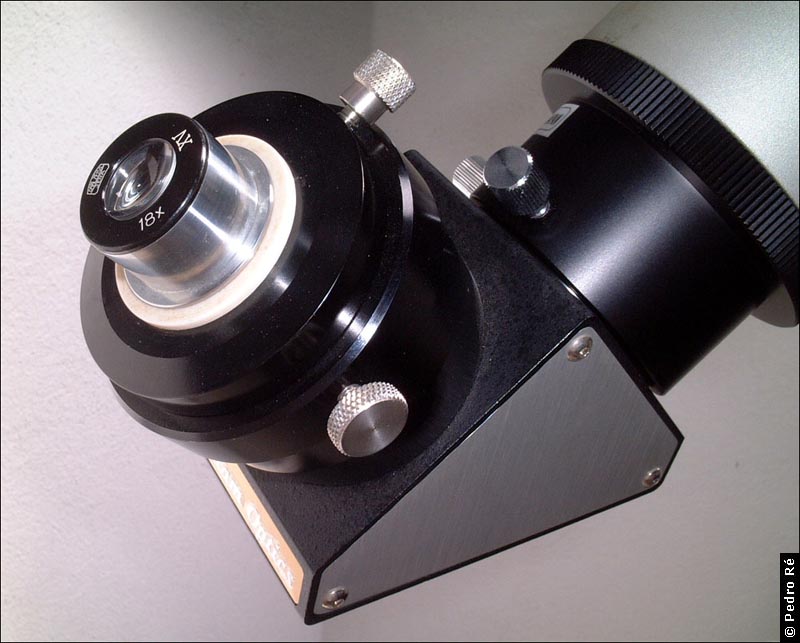
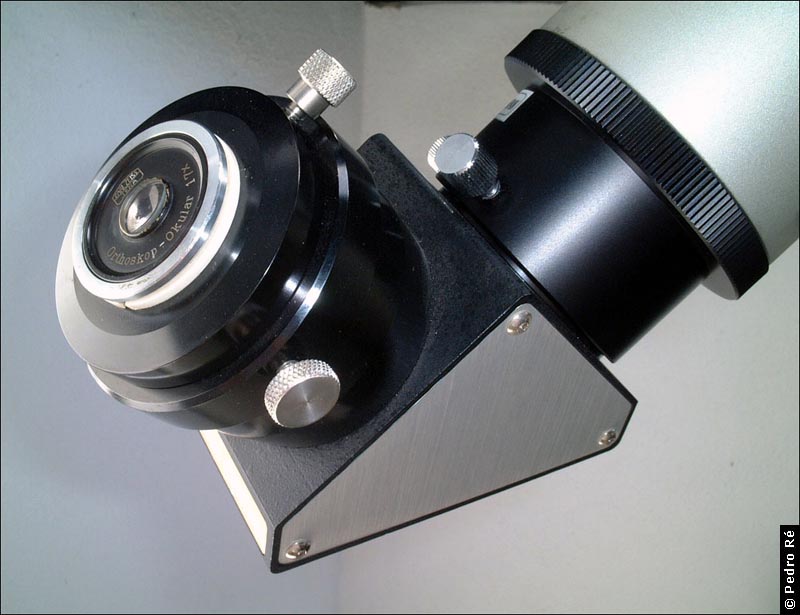
 Carl Zeiss Eyepiece (14 mm) Orthoscopic
Carl Zeiss Eyepiece (15 mm) Orthoscopic
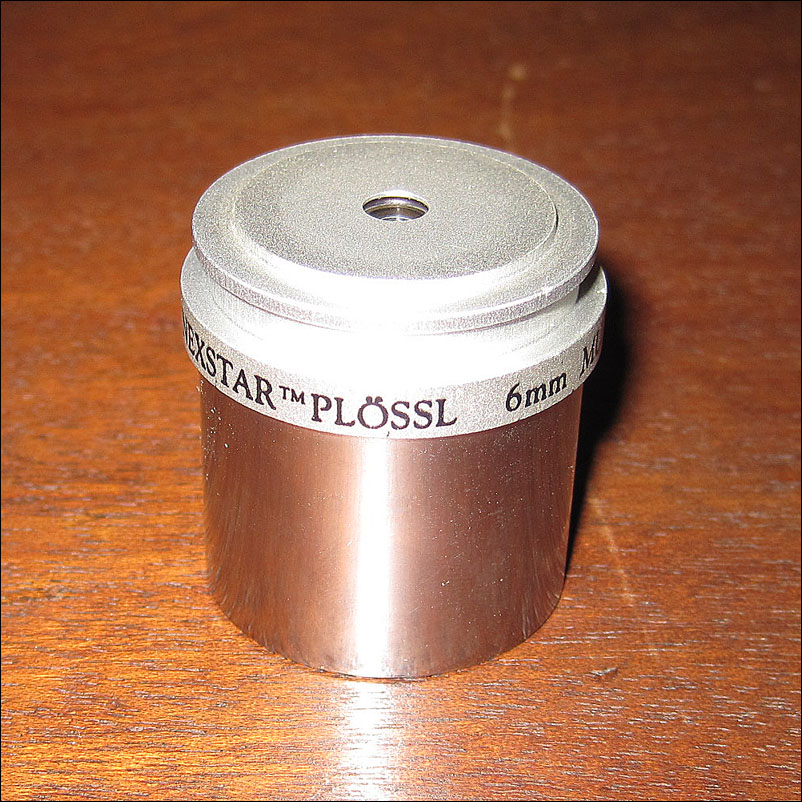
Celestron Eyepiece (6 mm) Plossl
Carl Zeiss Eyepiece (15 mm) Orthoscopic
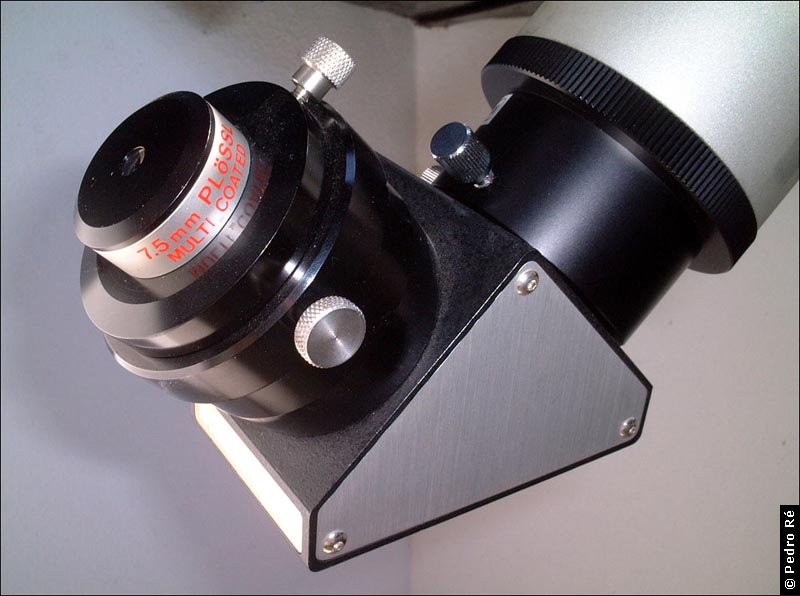
Celestron Eyepiece (7.5 mm) Plossl
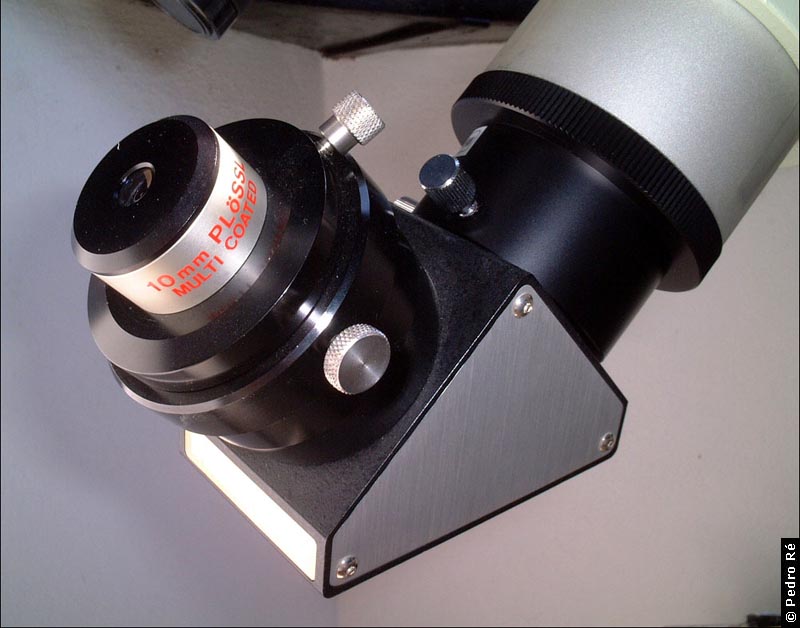
Celestron Eyepiece (10 mm) Plossl
Celestron Eyepiece (12 mm) Orthoscopic
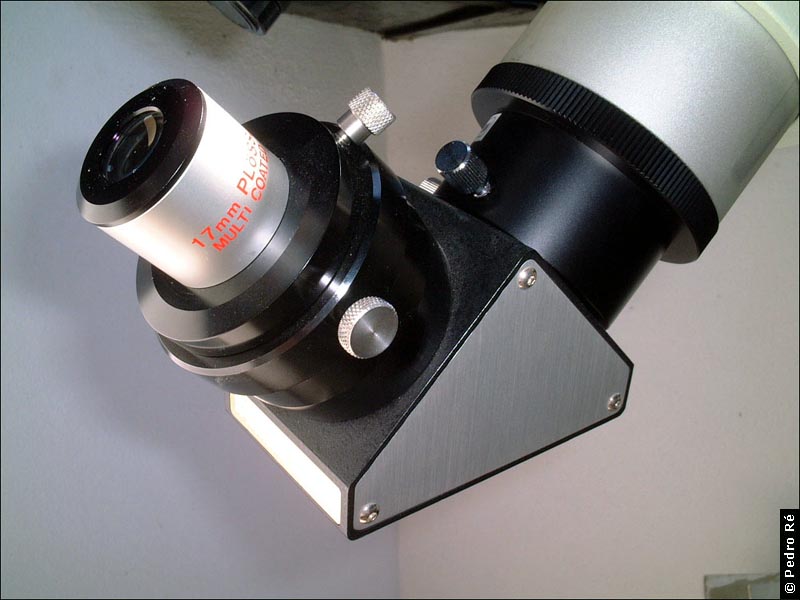
Celestron Eyepiece (17 mm) Plossl
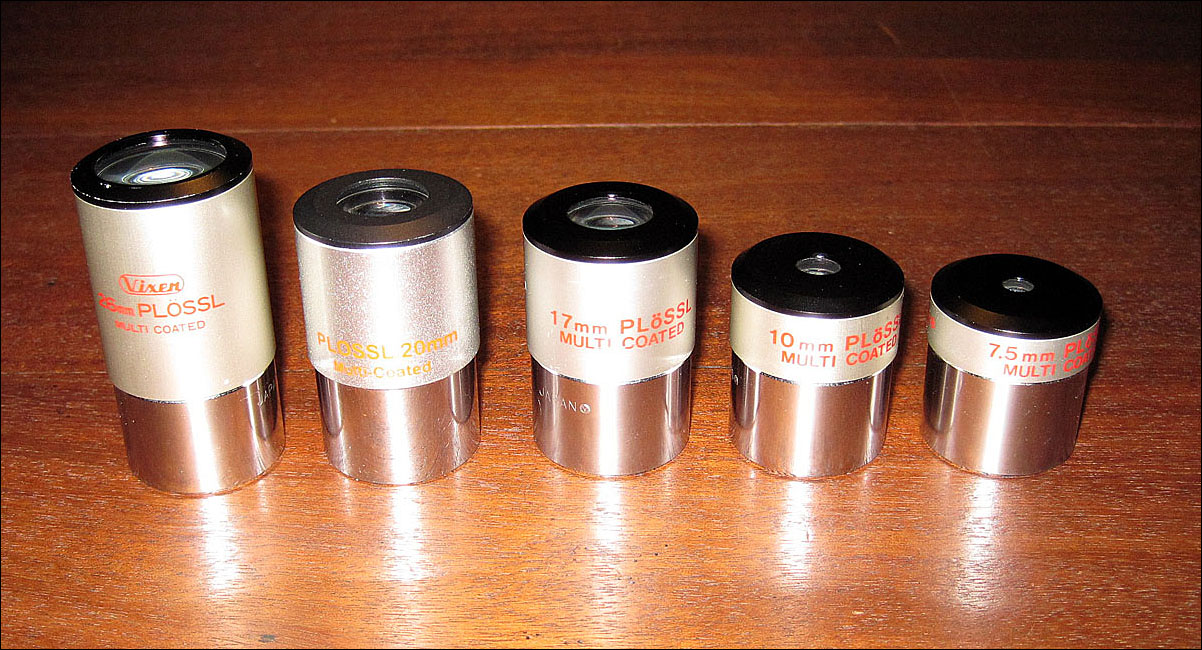
Plossl eyepieces (26 mm, 20 mm, 17 mm, 10 mm, 7.5 mm)
Celestron Eyepiece (25 mm) Osthoscopic
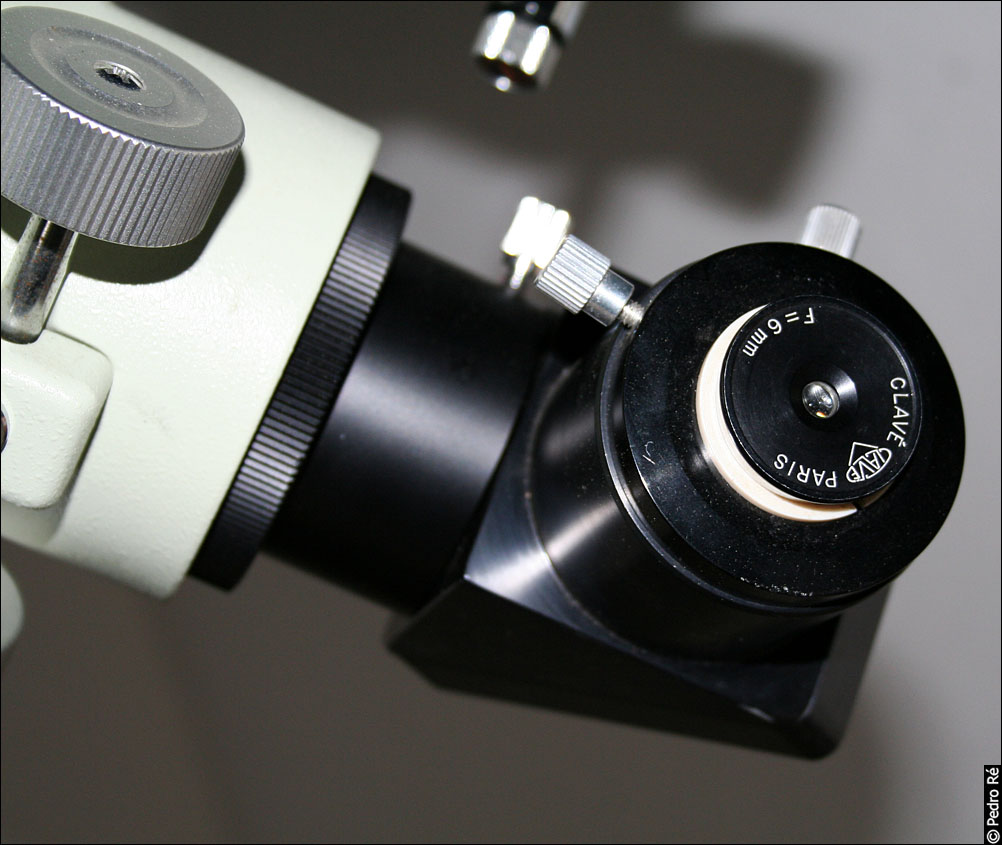
Clavé Eyepiece (6 mm) Plossl
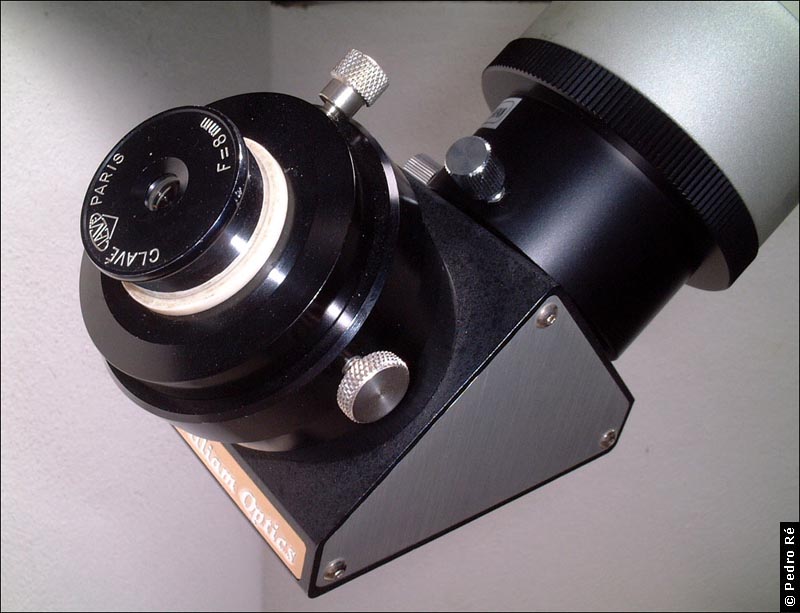
Clavé Eyepiece (8 mm) Plossl
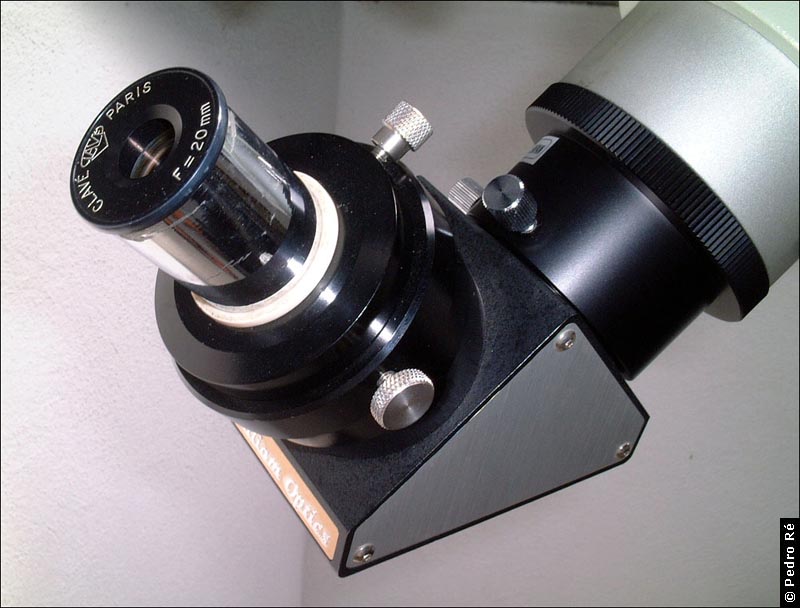
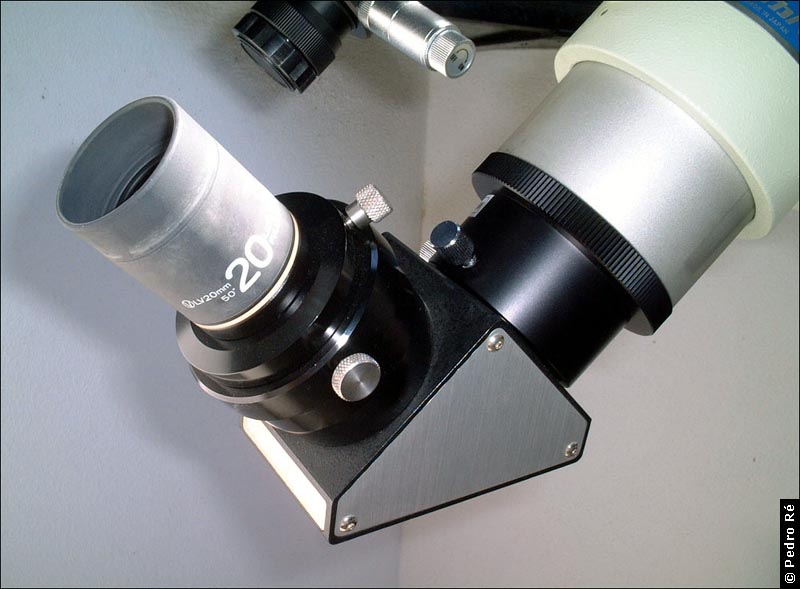
Clavé Eyepiece (20 mm) Plossl
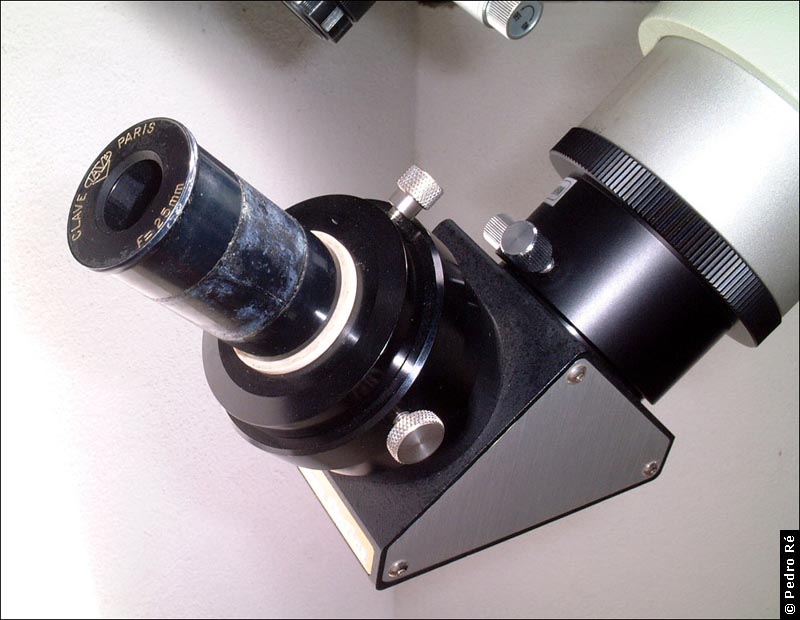
Clavé Eyepiece (25 mm) Plossl
Clavé Eyepiece (40 mm) Plossl
Surplus Eyepiece (32 mm) Erfle
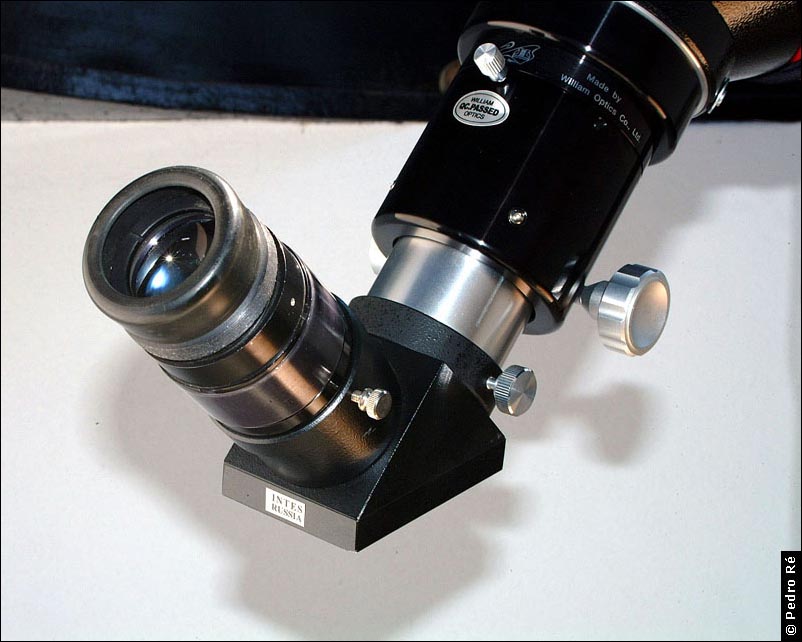
Intes Eyepiece (14 mm) Kelner
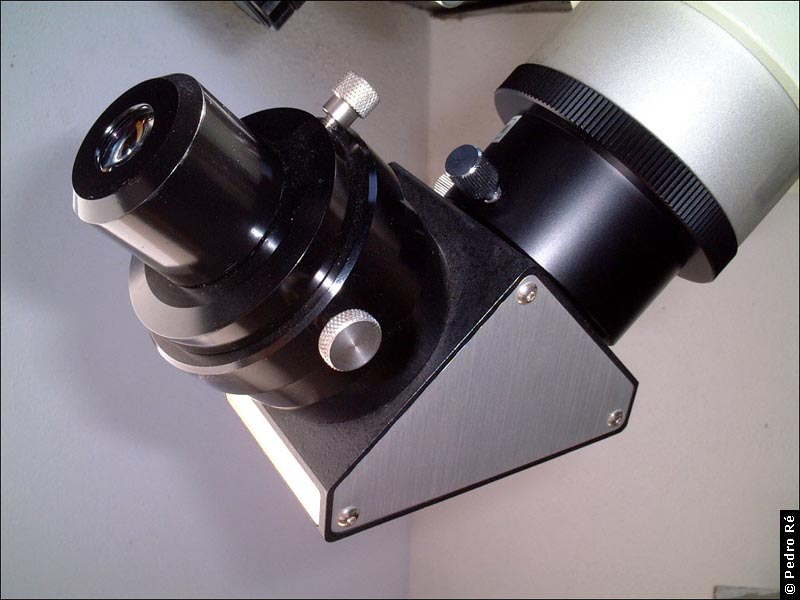
Konus Eyepiece (25 mm) Plossl
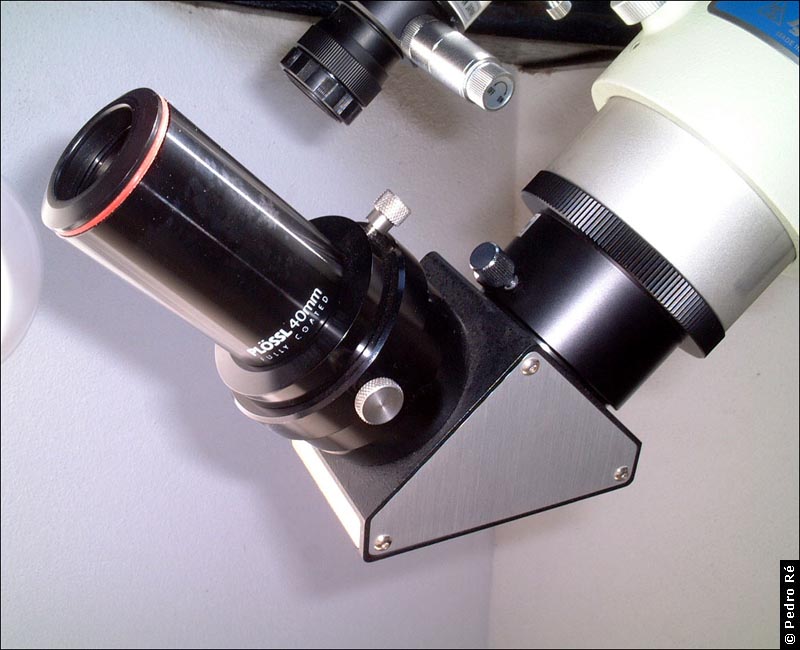
Konus Eyepiece (40 mm) Plossl
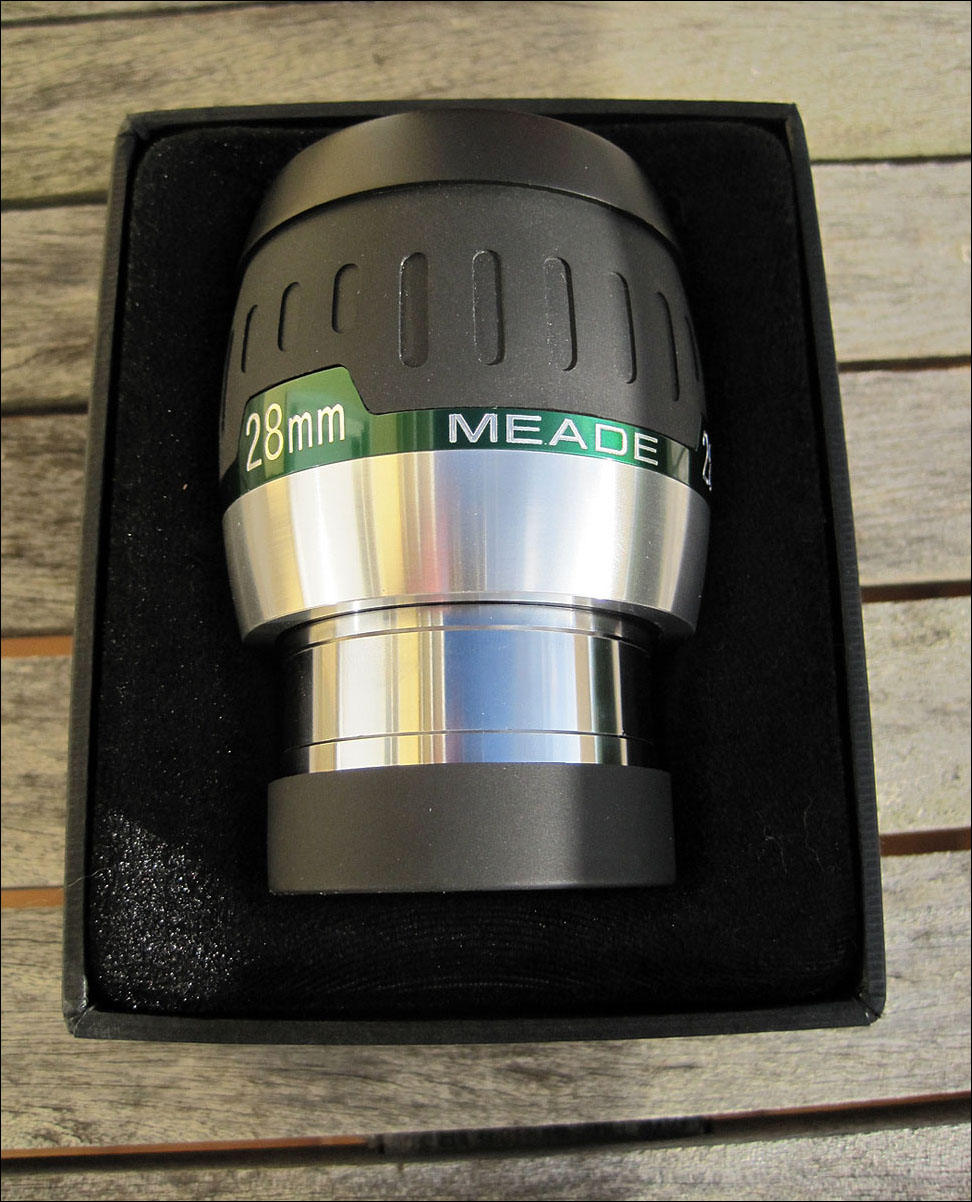
Meade Series 5000 28mm Super Wide Angle
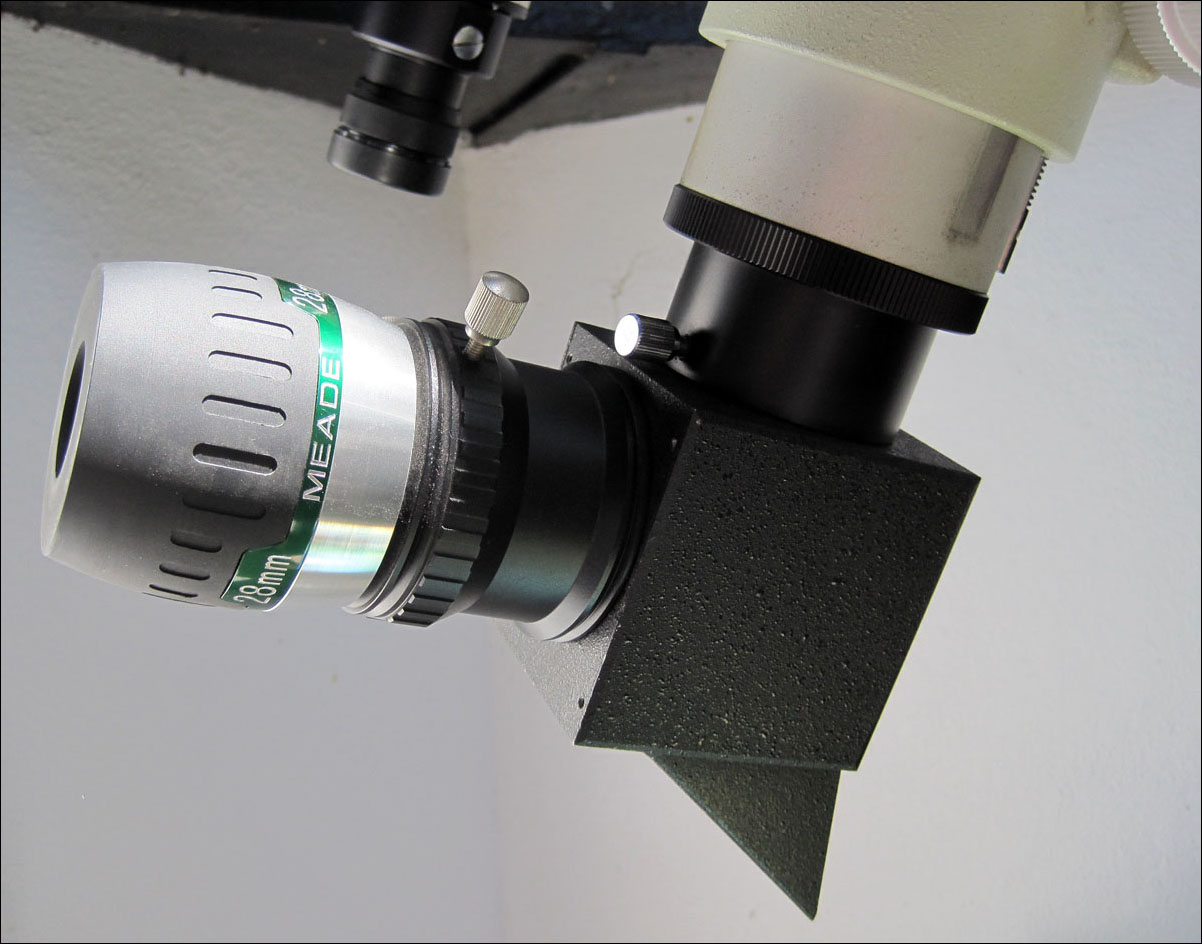
Meade Series 5000 28mm Super Wide Angle
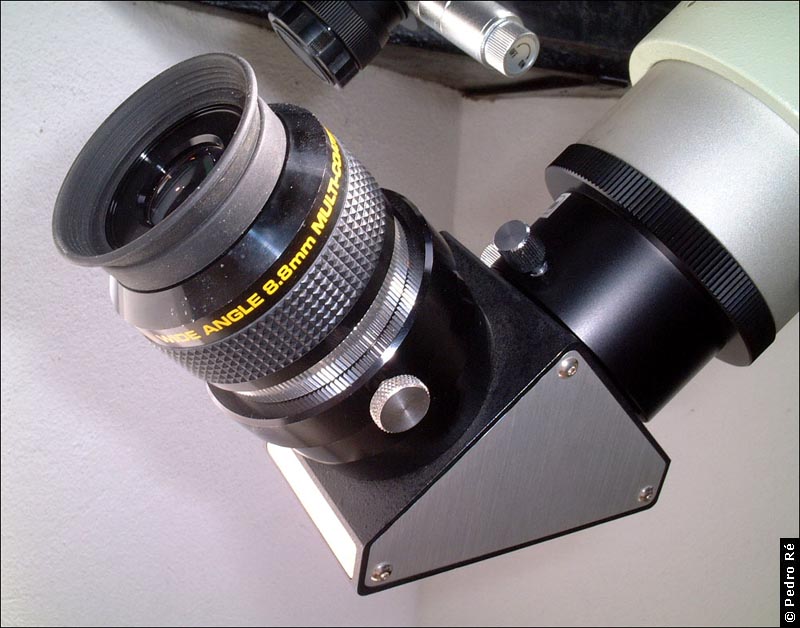
Meade Eyepiece (8.8 mm) Wide Algle
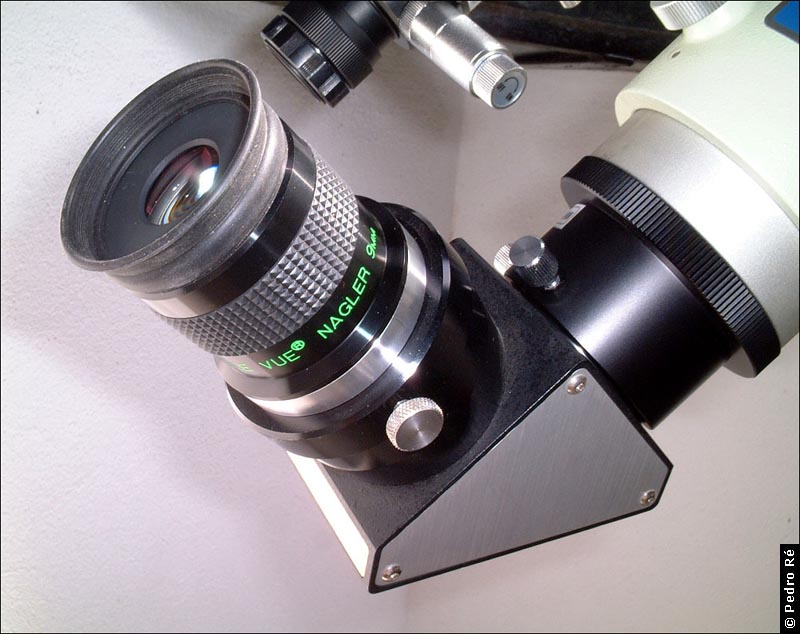
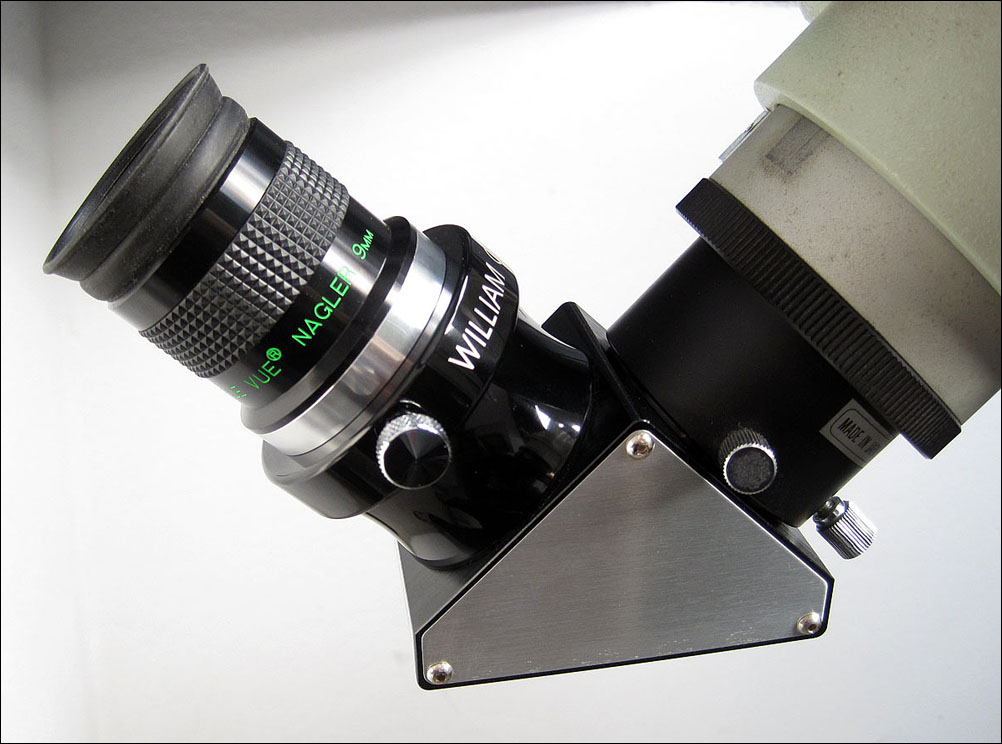
Televue Eyepiece (9 mm) Nagler Type 1
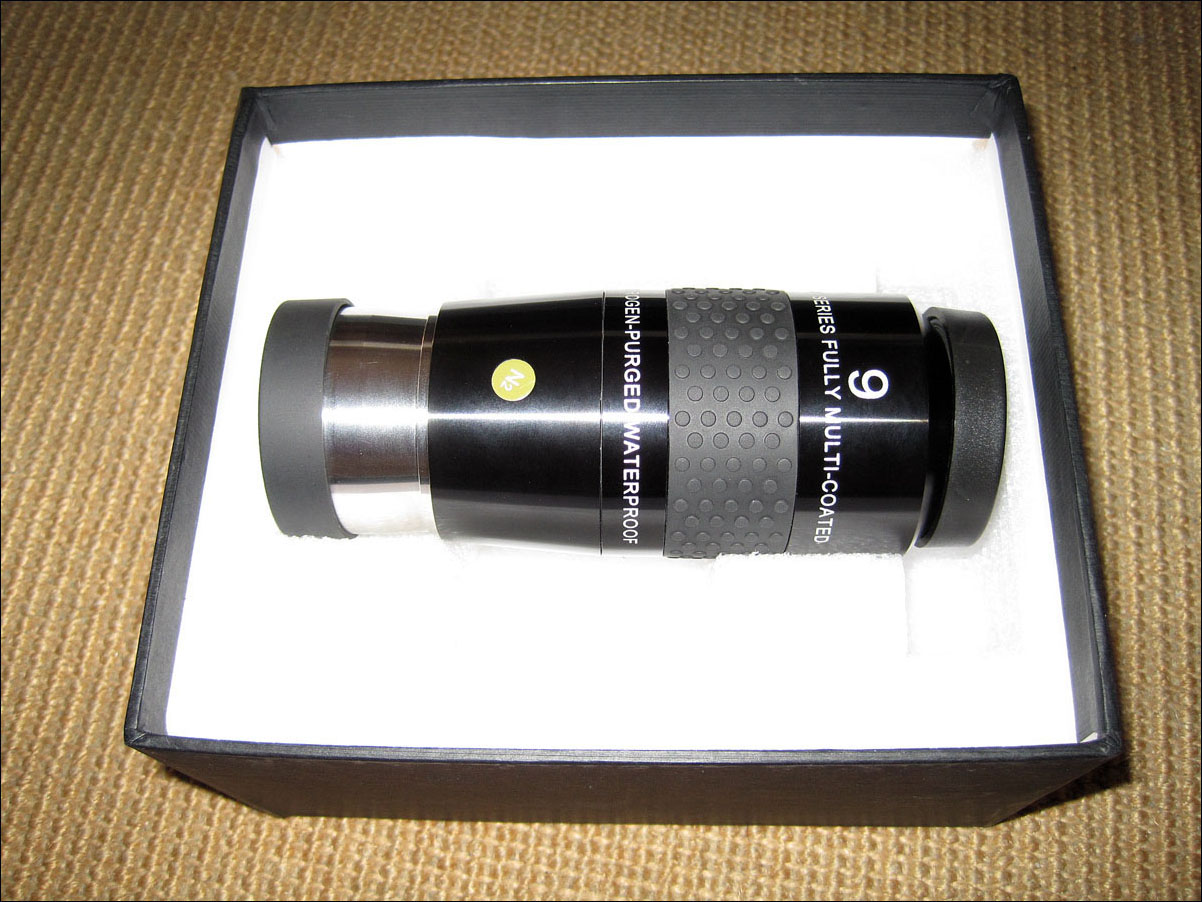
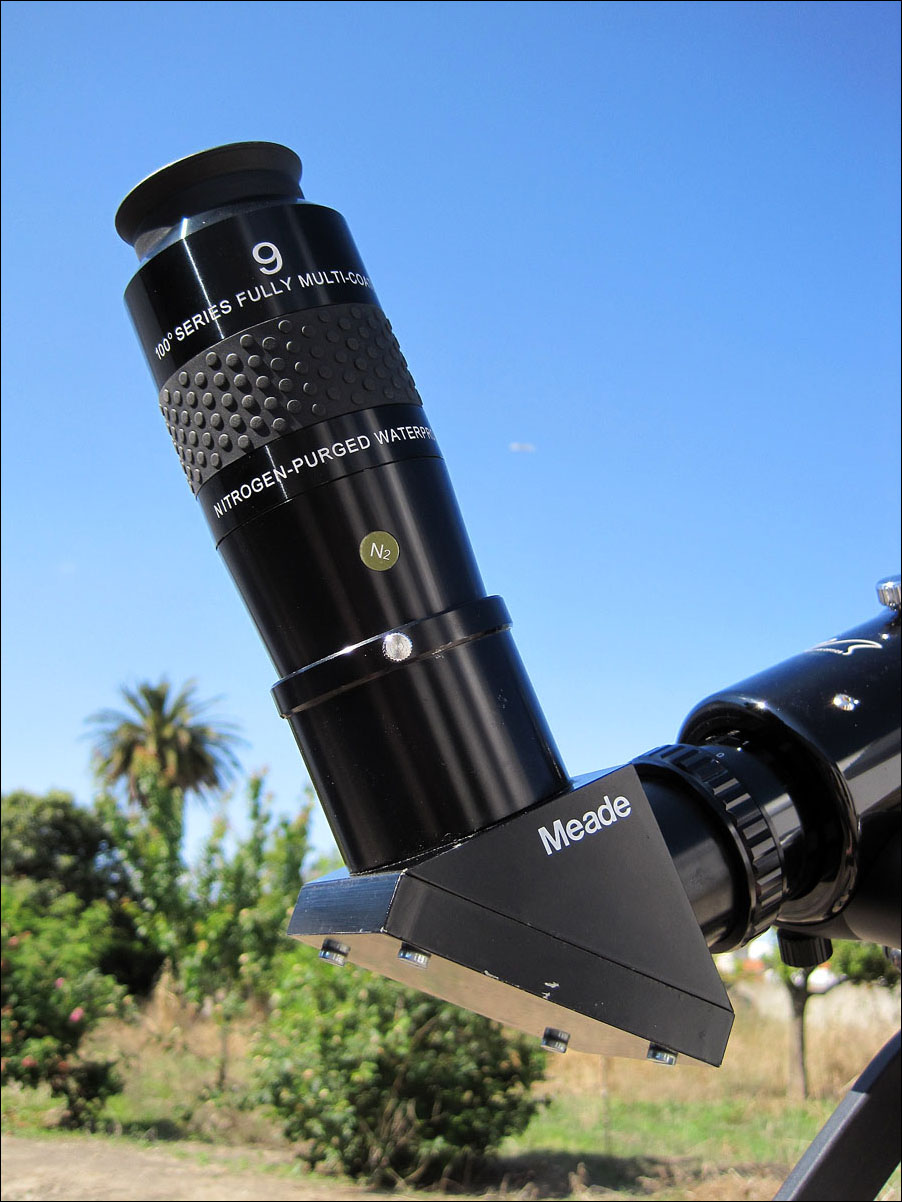
Explore Scientific Eyepiece (9 mm) 100º Series Nitro-Purged
Explore Scientific Eyepiece (9 mm) 100º Series Nitro-Purged
Televue Eyepiece (9 mm) Nagler Type 1
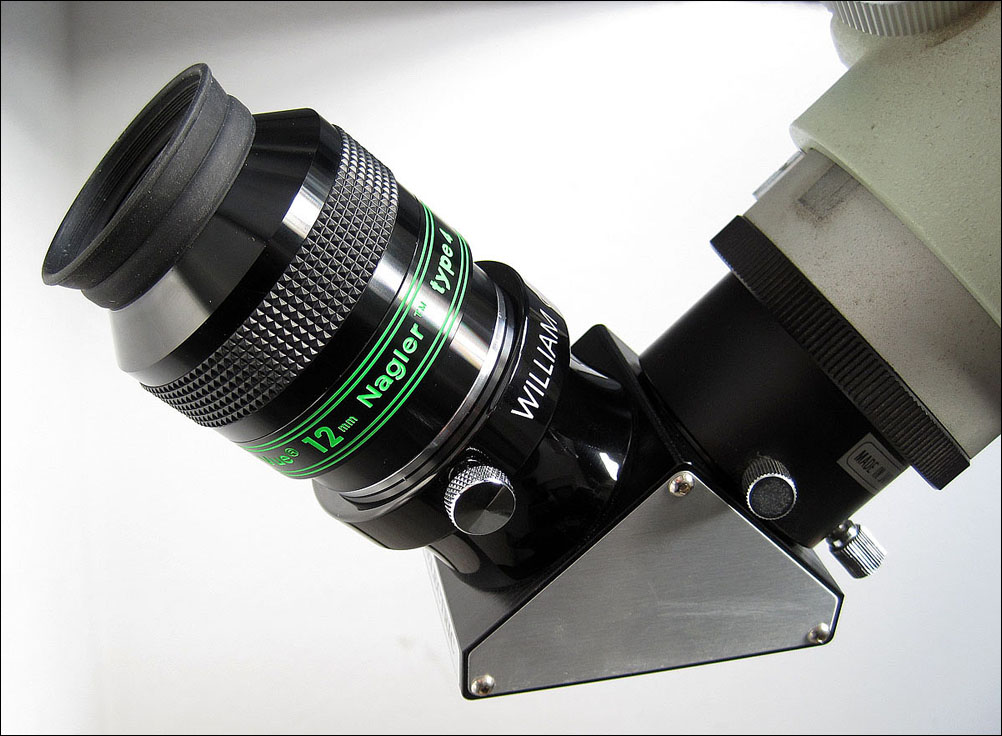
Televue Eyepiece (12 mm) Nagler Type 4
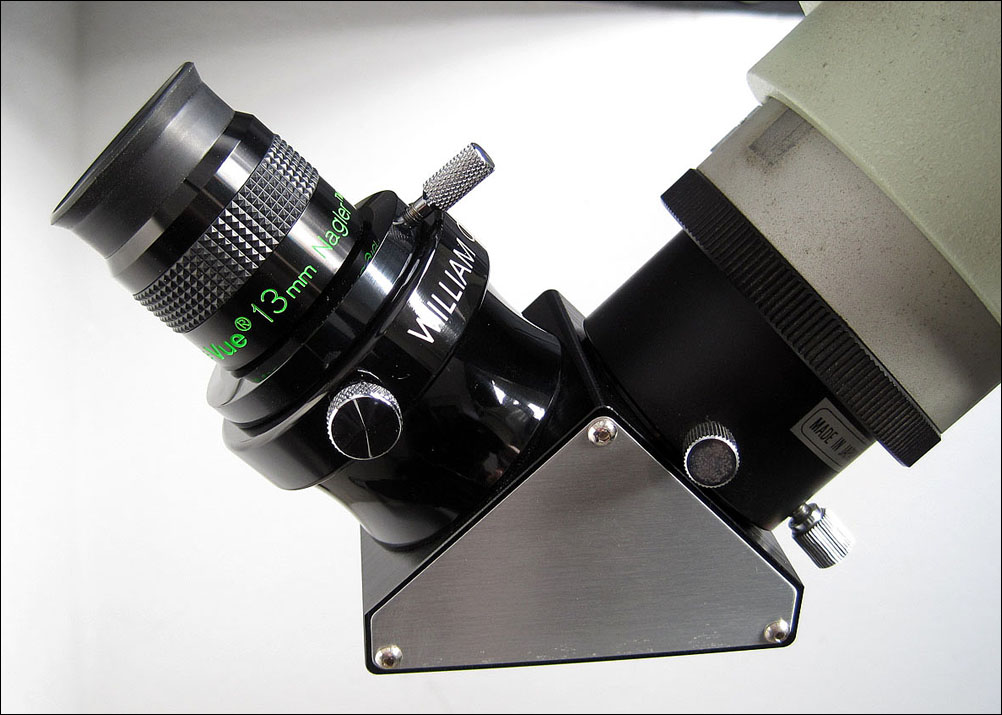
Televue Eyepiece (13 mm) Nagler Type 6
Televue Eyepiece (13 mm) Nagler Type 6
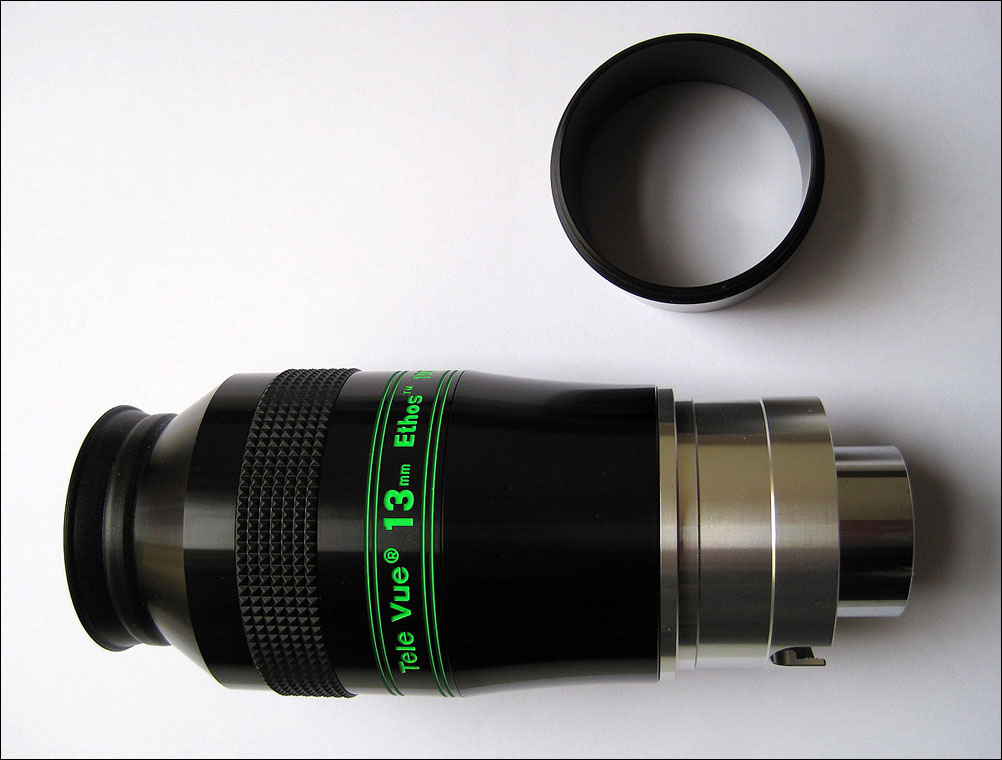
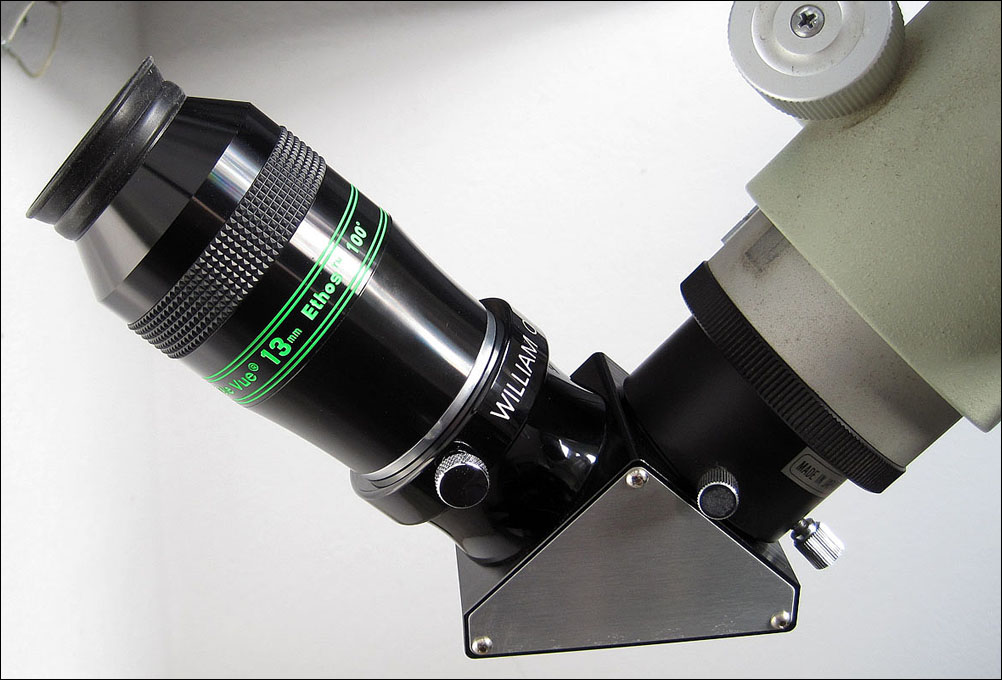
Televue Eyepiece (13 mm) Ethos
Televue Eyepiece (13 mm) Ethos
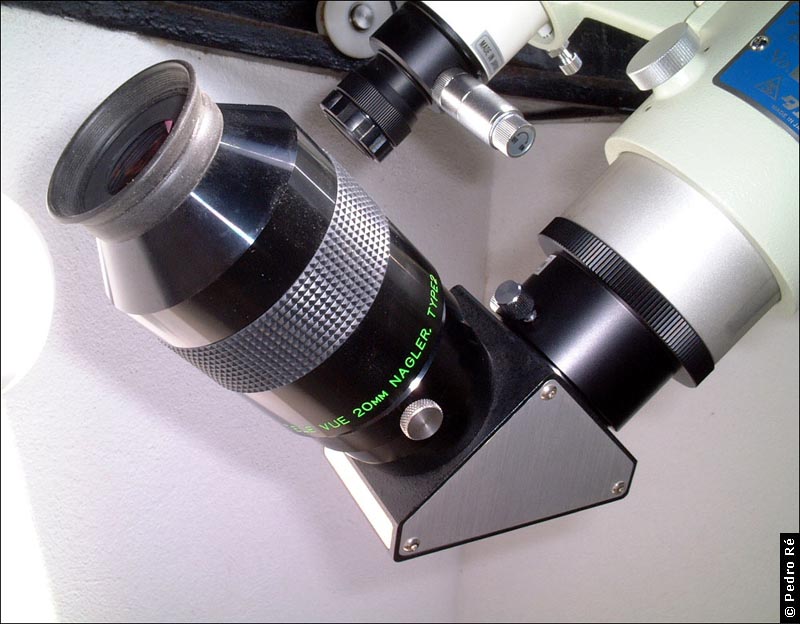
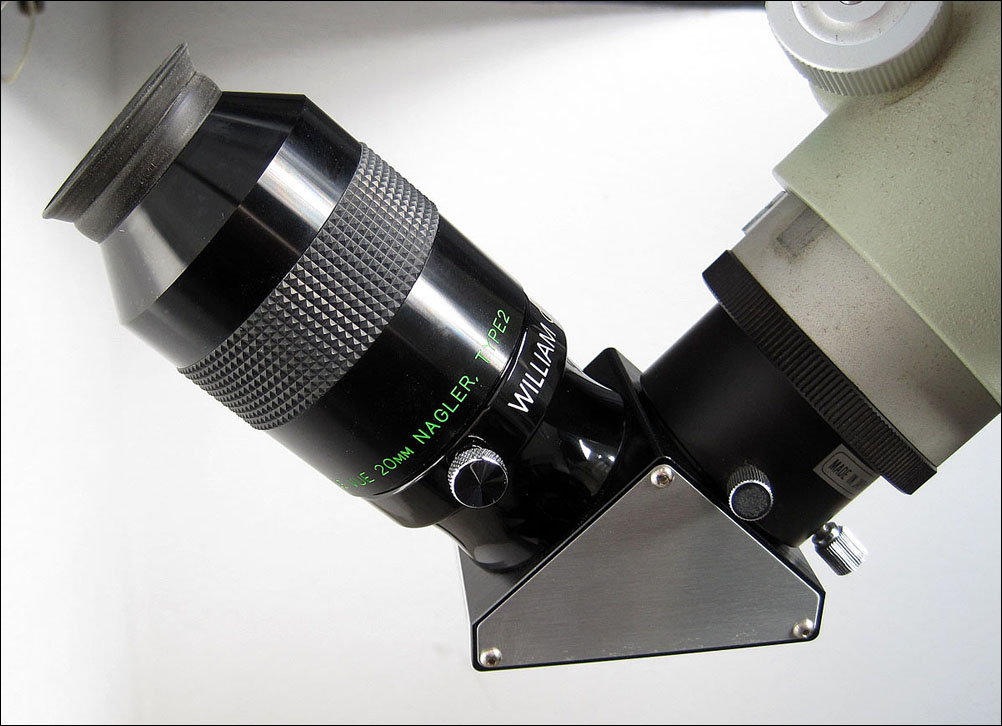
Televue Eyepiece (20 mm) Nagler Type 2
Televue Eyepiece (20 mm) Nagler Type 2
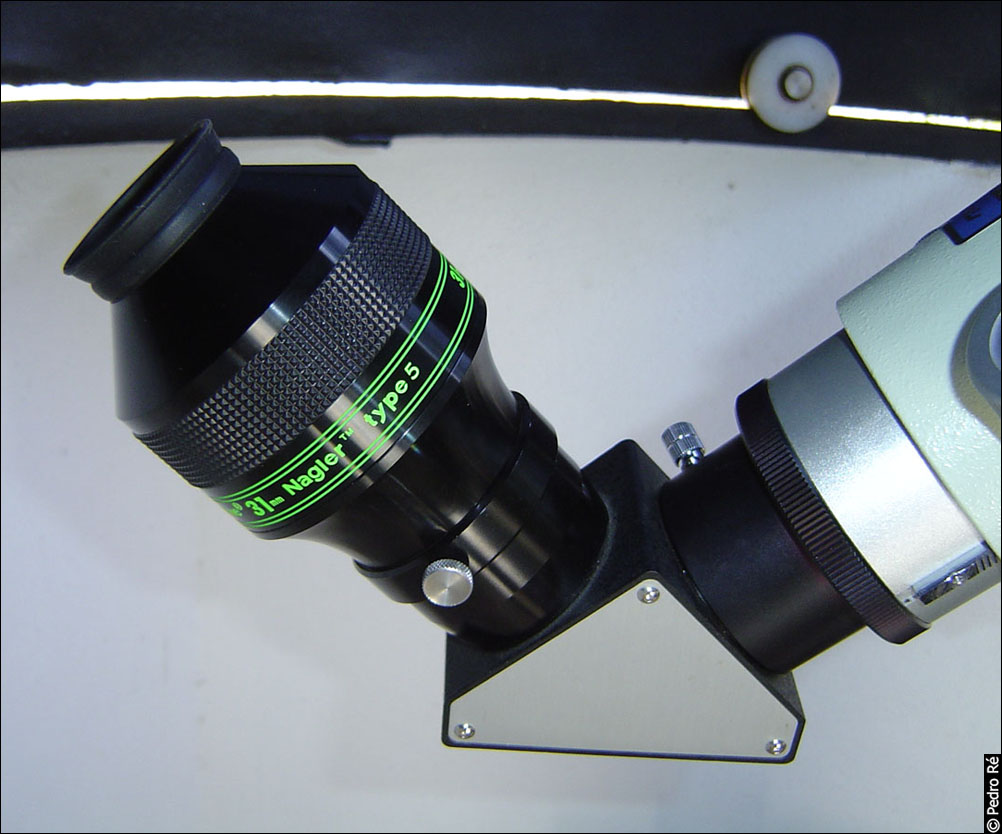
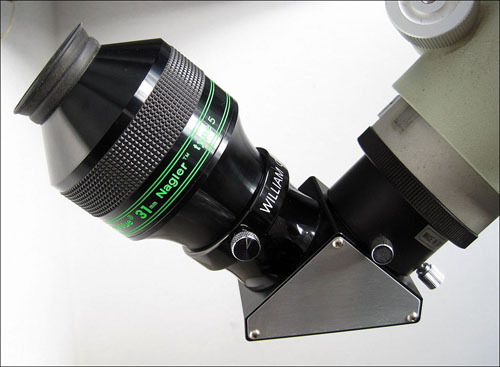
Televue Eyepiece (31 mm) Nagler Type 5
Televue Eyepiece (31 mm) Nagler Type 5
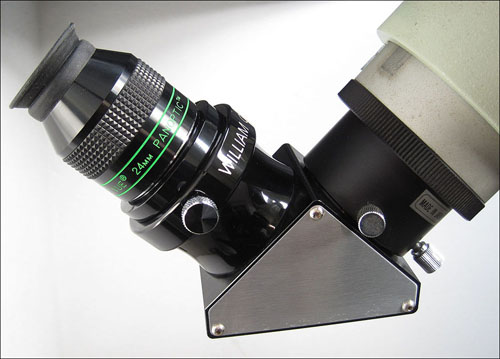
Televue Eyepiece (24 mm) Panoptic
Televue Eyepiece (24 mm) Panoptic
Televue Eyepiece (35 mm) Panoptic
Televue Eyepiece (35 mm) Panoptic
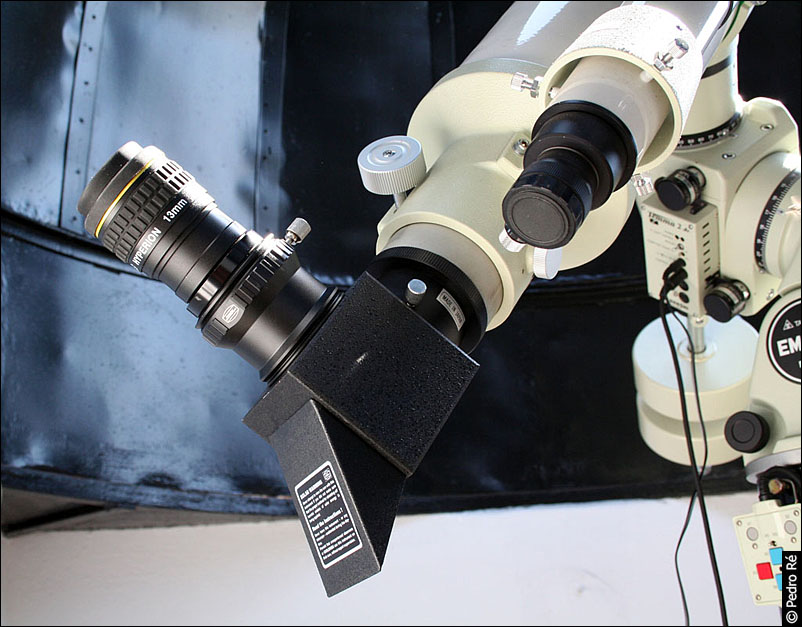
Baader Hyperion (13 mm)
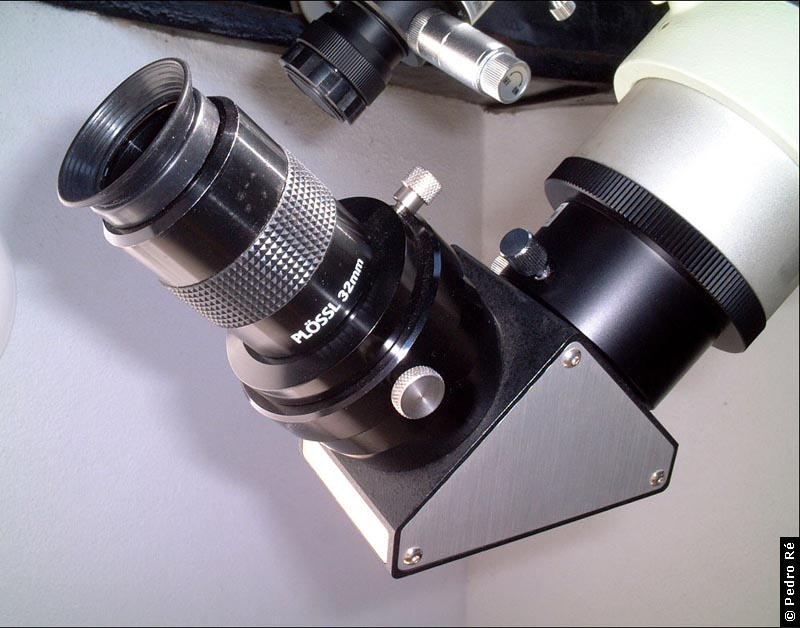
Eyepiece (32 mm) Plossl
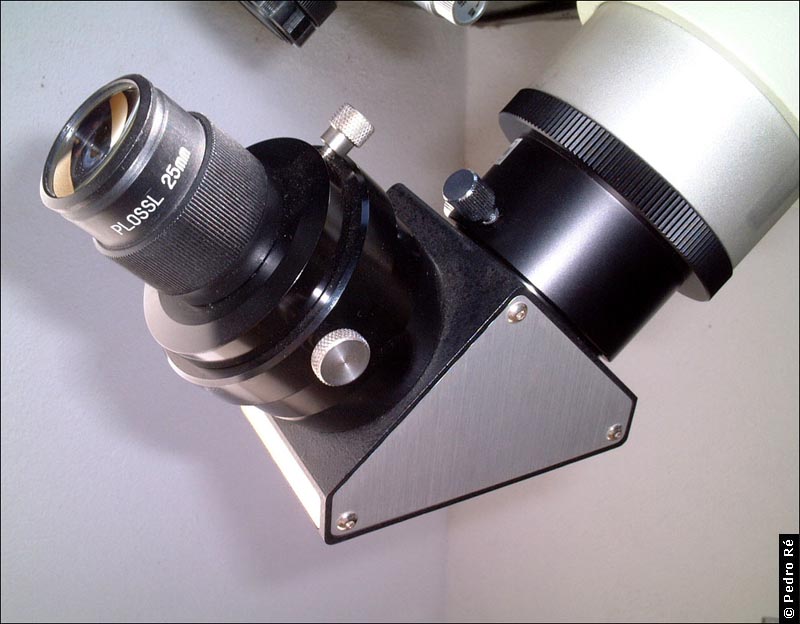
Russian Eyepiece (25 mm) Plossl
Soligor Eyepiece (12.5 mm) Lanthanum
Takahashi Eyepiece (30 mm) LE
Takahashi Eyepiece (24 mm) LE
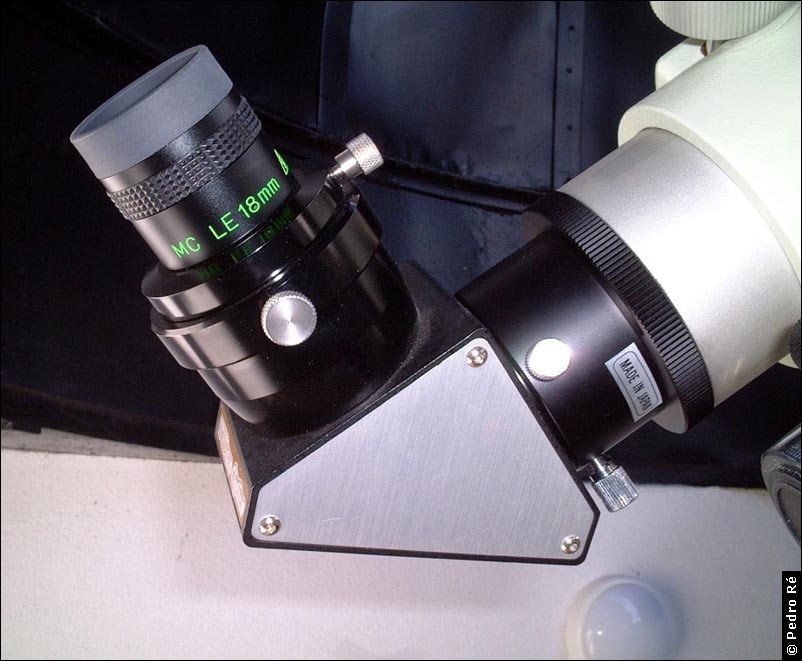
Takahashi Eyepiece (18 mm) LE
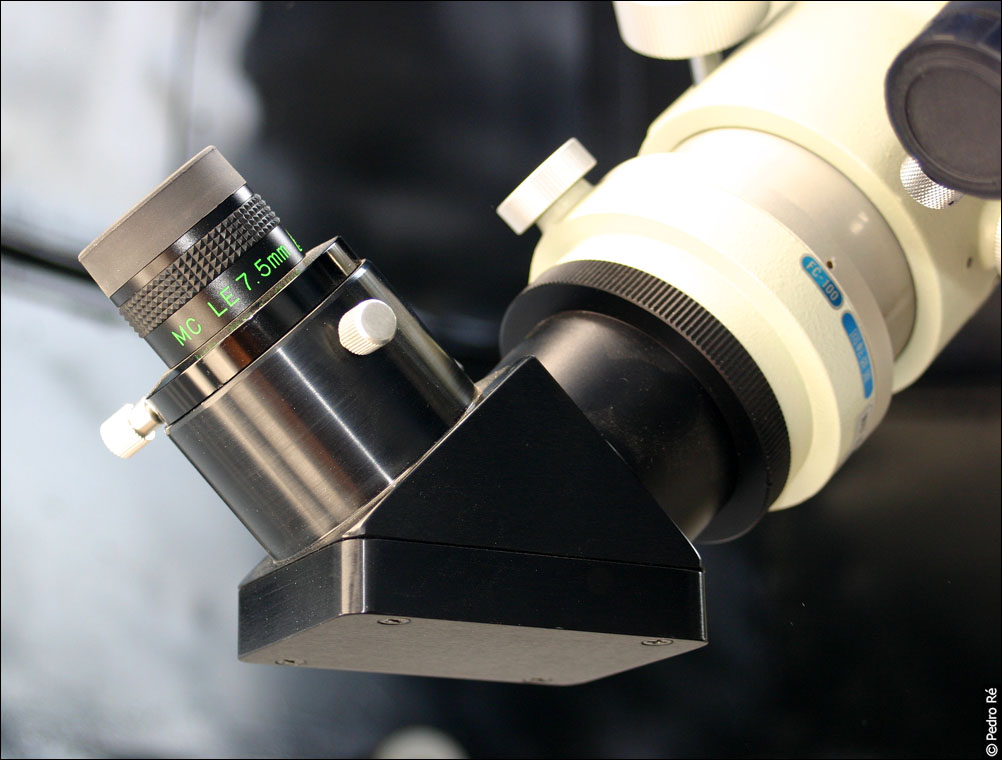
Takahashi Eyepiece (7.5 mm) LE
Takahashi Eyepiece (5 mm) LE
TS Planetary Eypiece (TMB) (2.5 mm)
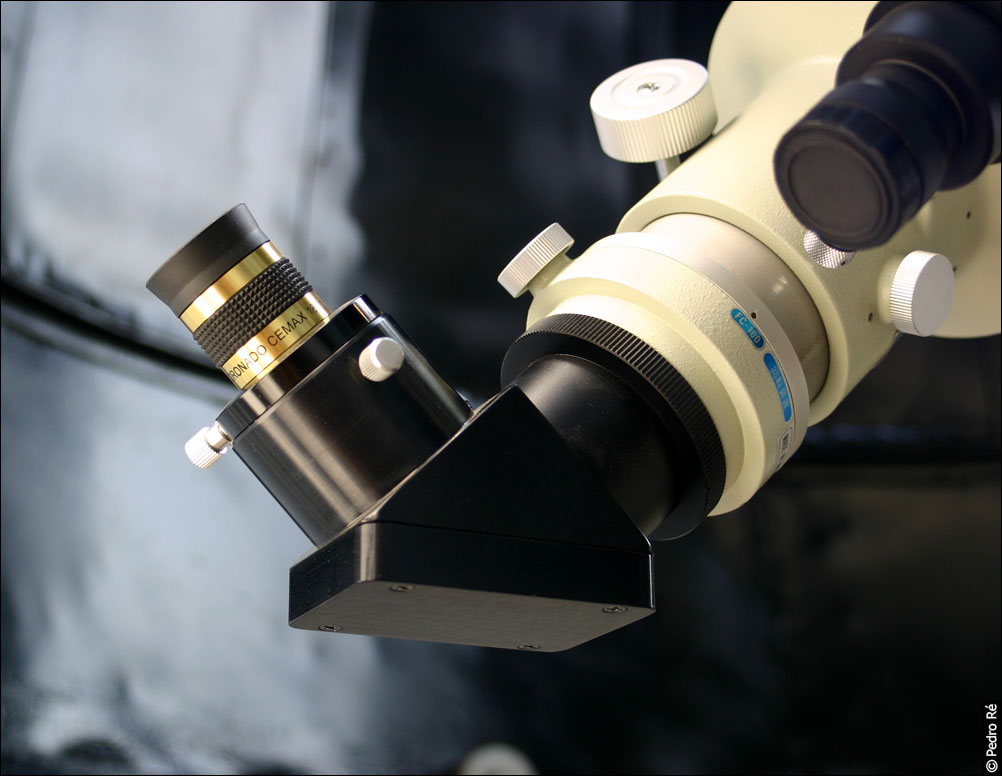
Coronado Cemax (18 mm)
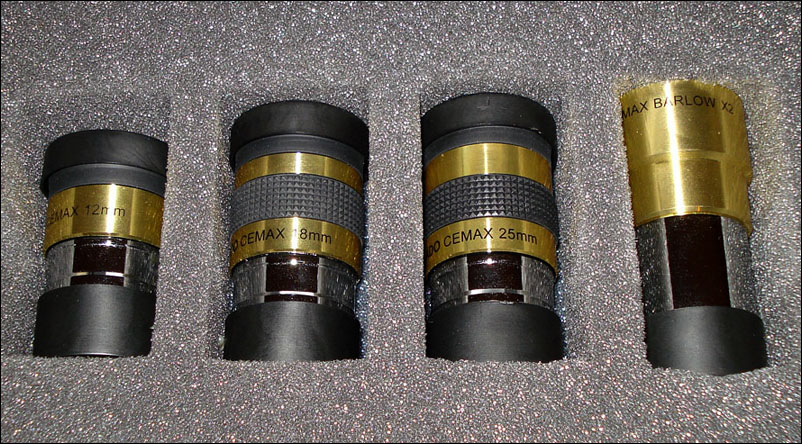
Coronado Cemax eyepieces (12 mm, 18 mm, 25 mm, X2 barlow)
Coronado Cemax eyepieces (12 mm, 18 mm, 25 mm, X2 barlow)
Zoom Eyepiece LV Vixen (24/8 mm)
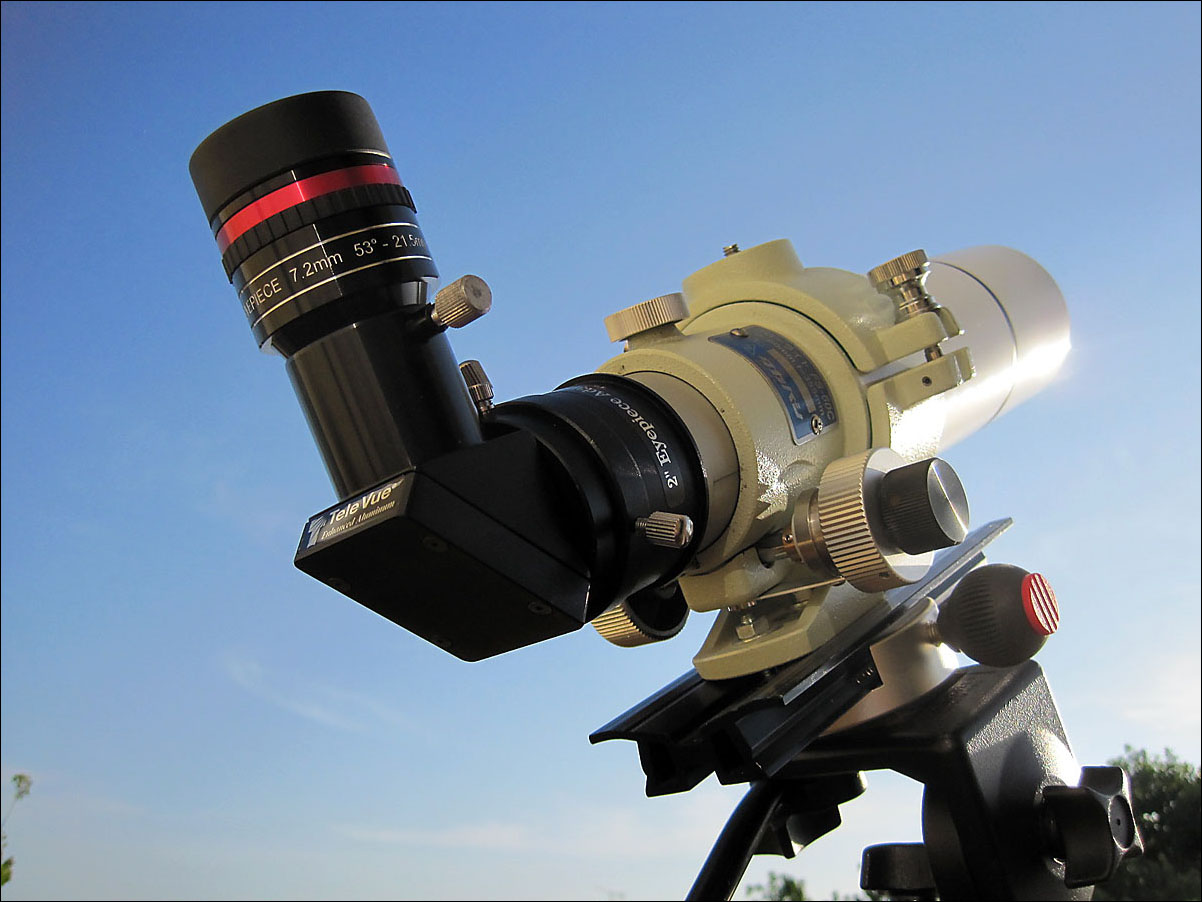
Lunt Zoom Eyepiece (7.2/21.5 mm)
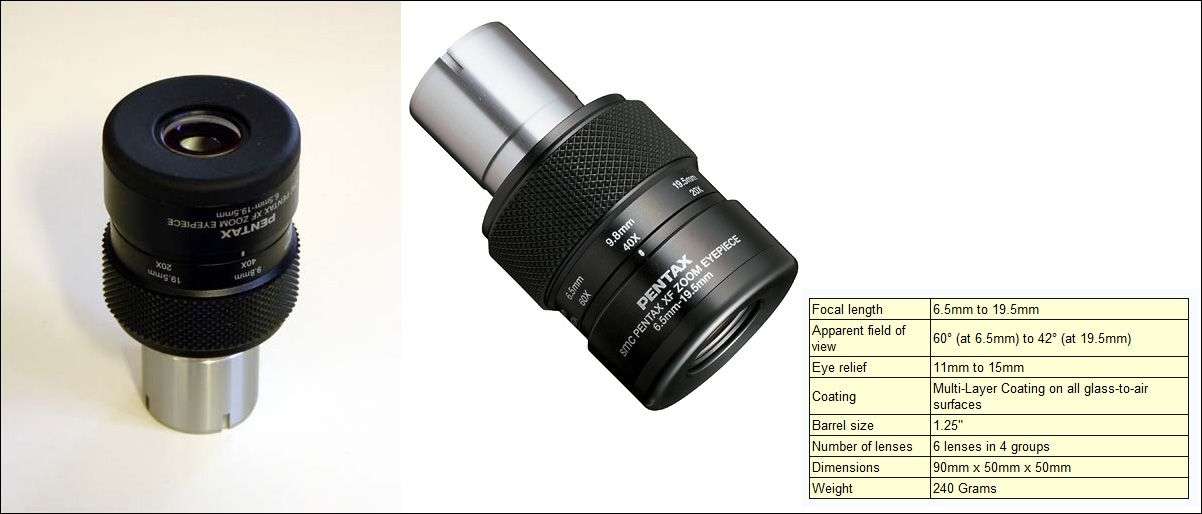
Pentax Zoom Eyepiece (6.5/19.5 mm)
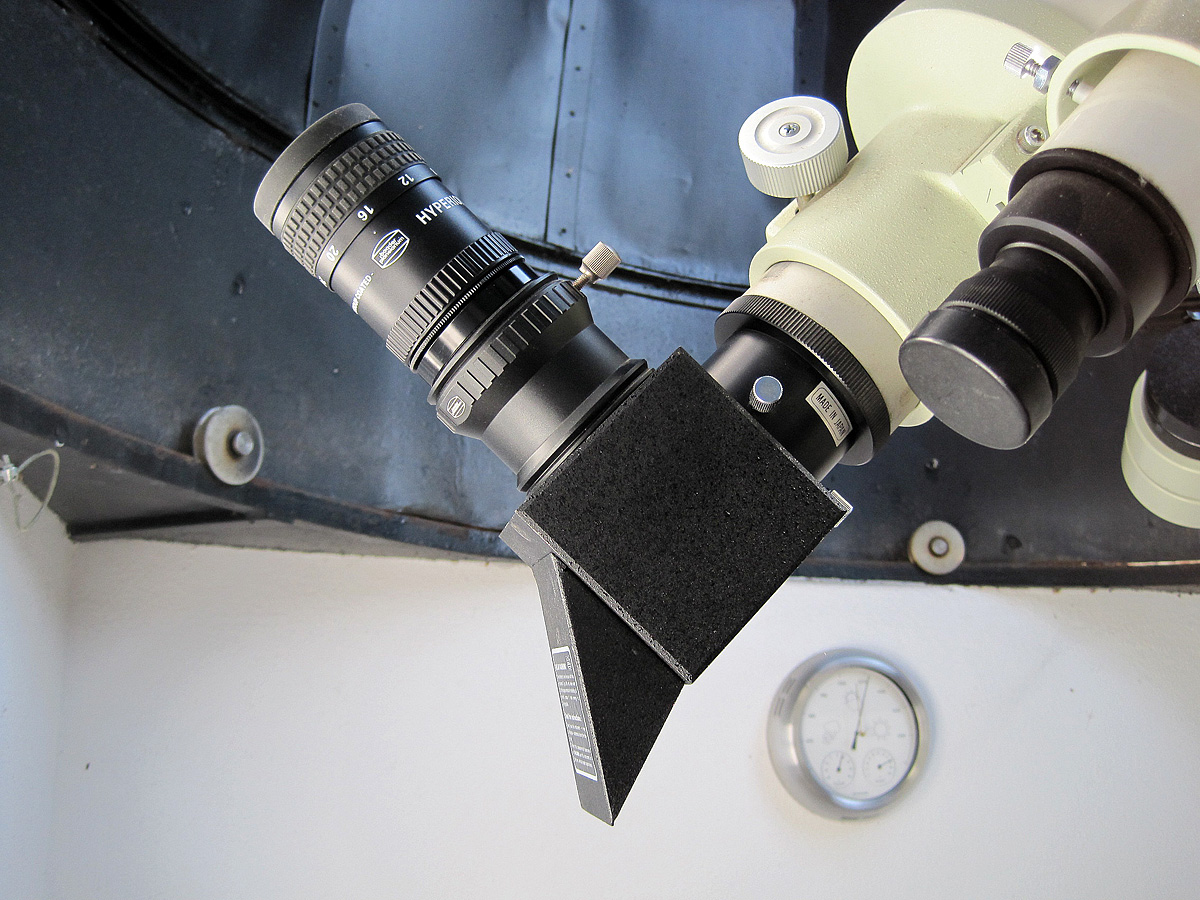
Baader Hyperion Zoom Eyepiece (8/24mm)
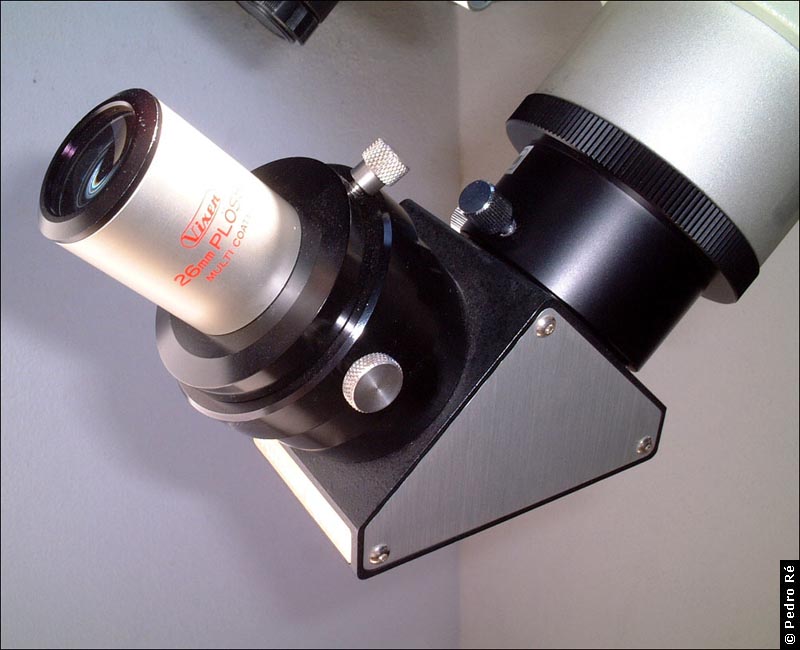
Vixen Eyepiece (26 mm) Plossl
Vixen Eyepiece (20 mm) Lanthanum
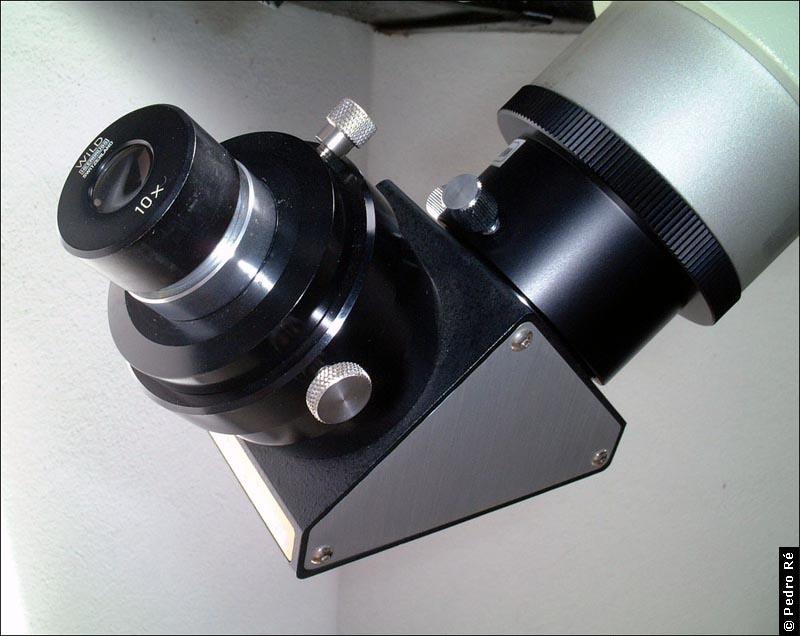
Wild Eyepiece (25 mm)
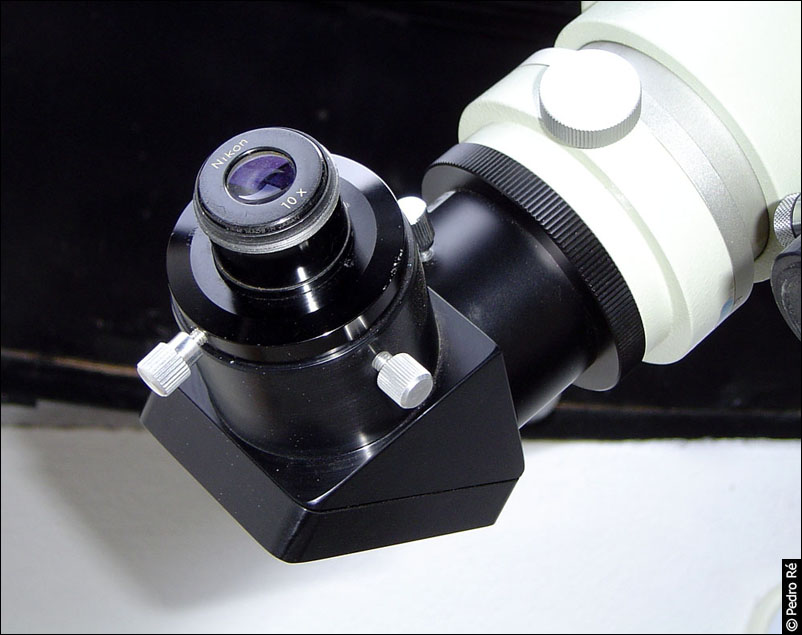
Nikon Eyepiece (25 mm)
Nikon Eyepiece (18 mm)
Nikon Eyepiece (12.5 mm)
University Optics Orthoscopic Eyepiece (9 mm)
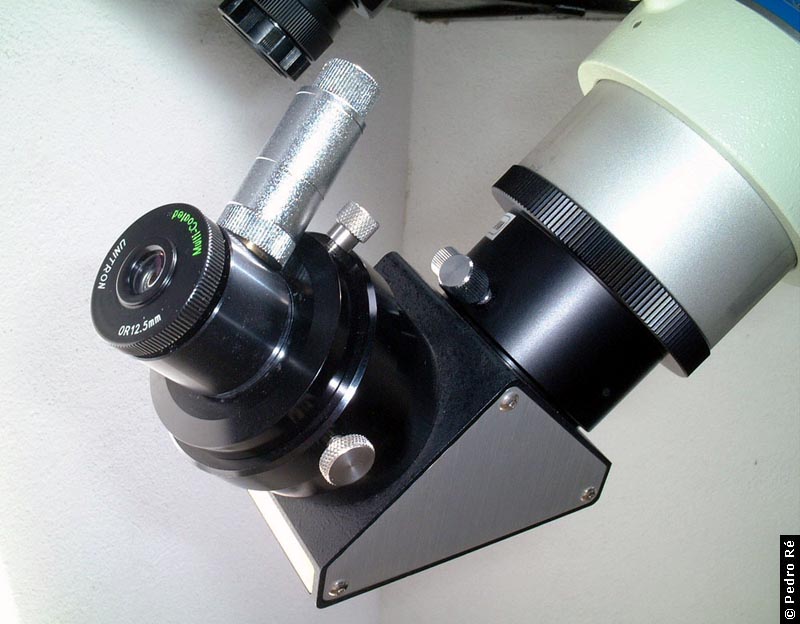
Unitron Guiding Eyepiece (12.5 mm) orthoscopic
Meade CCD framing Eyepiece (25 mm) Plossl
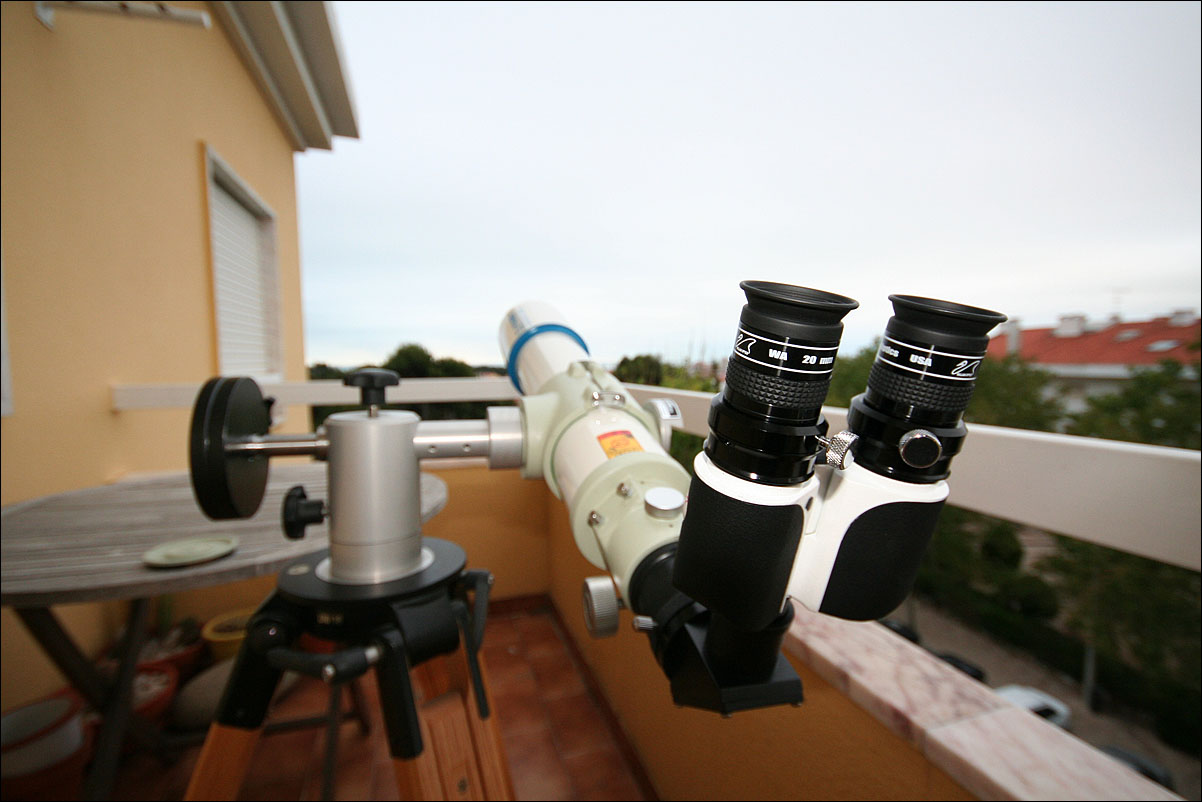
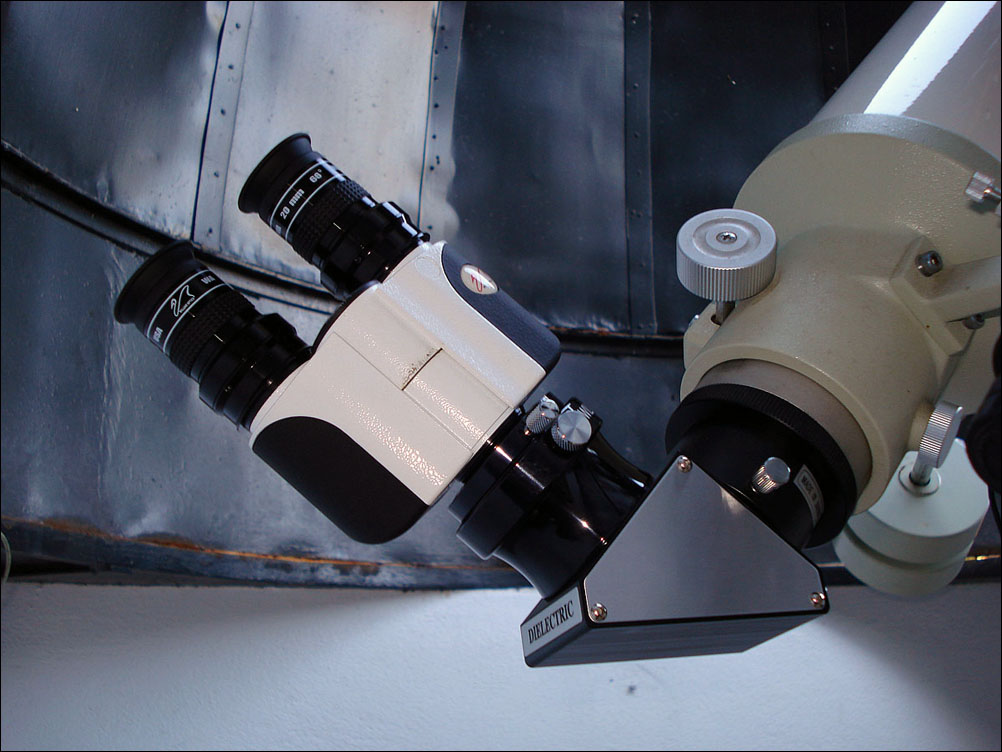
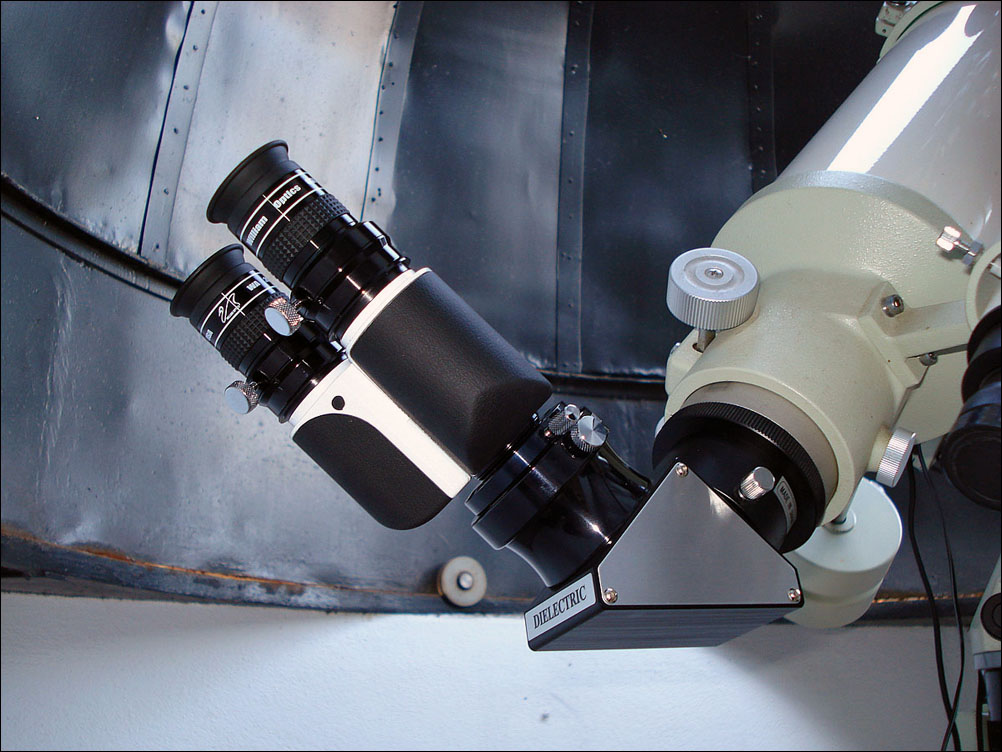
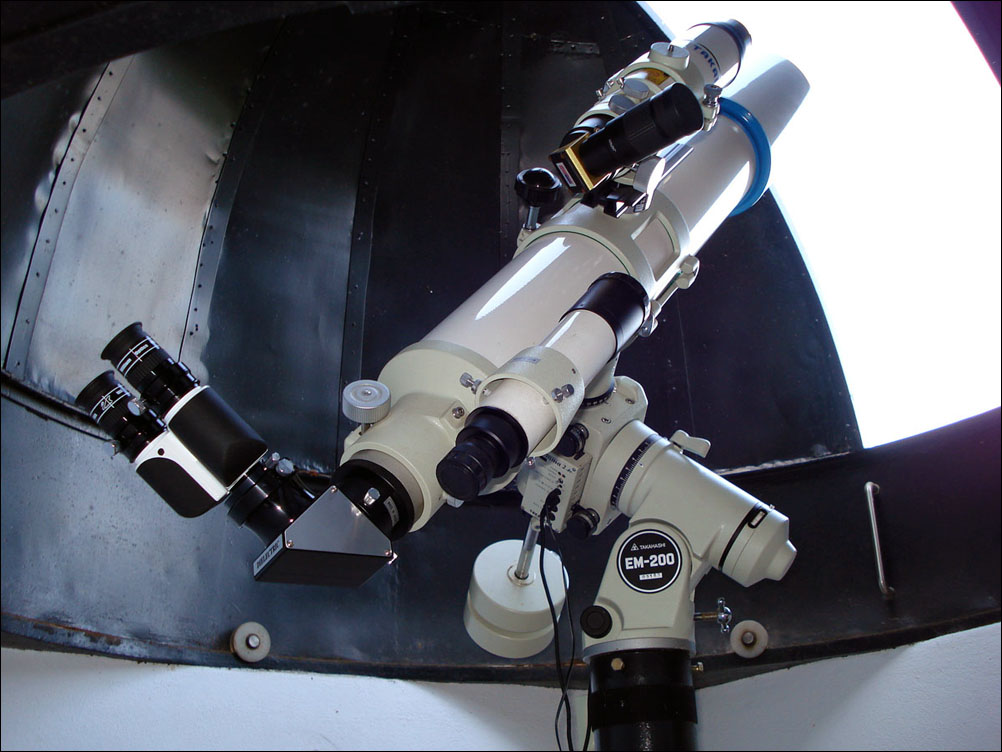
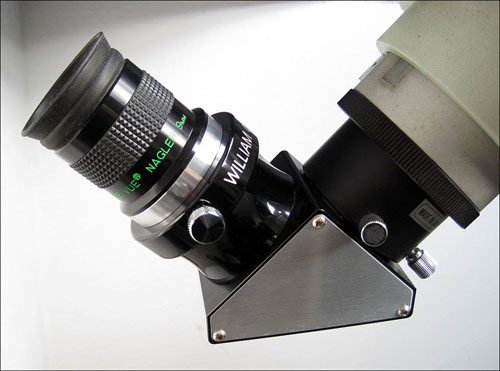
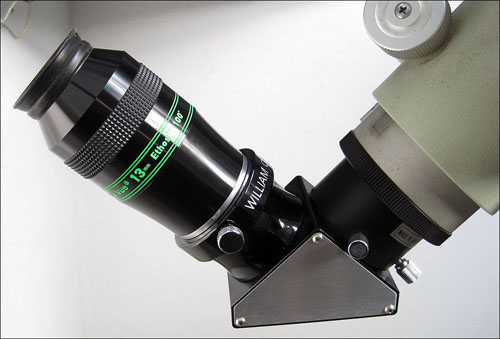
Binoviewer William Optics
Binoviewer William Optics
Binoviewer William Optics
Binoviewer William Optics
Binoviewer William Optics
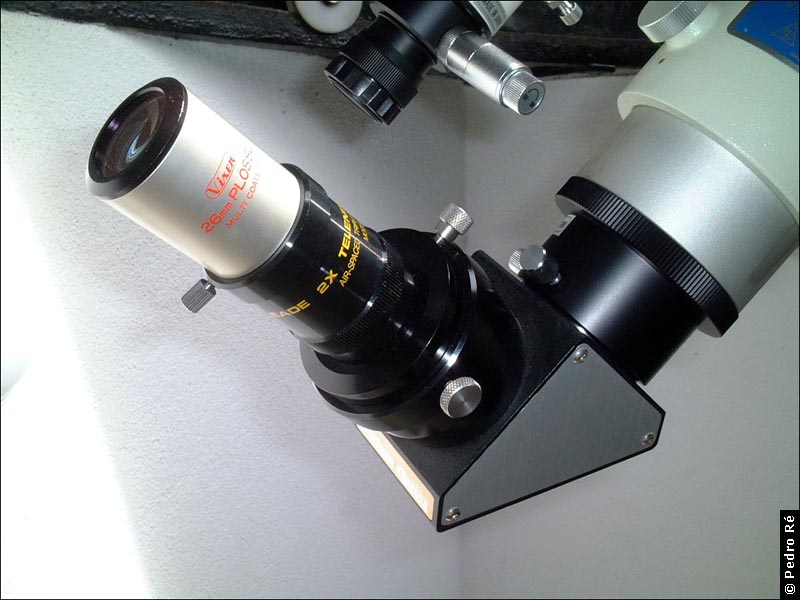
Meade X2 Apochromatic Barlow
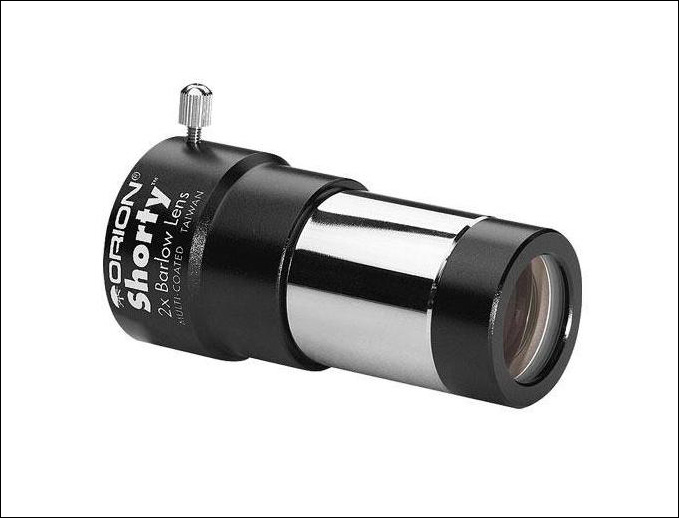
Orion X2 Short Barlow
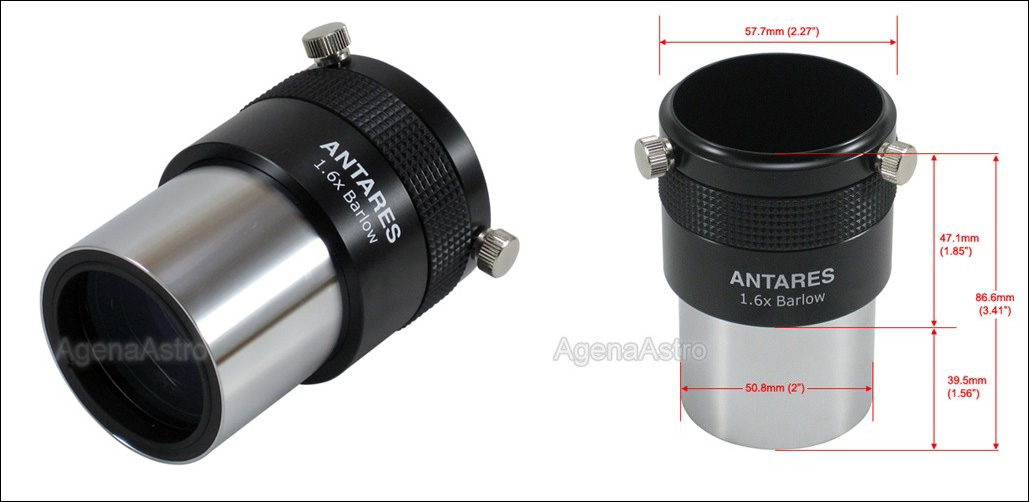
Antares X1.6 Barlow
Televue X1.8 Barlow
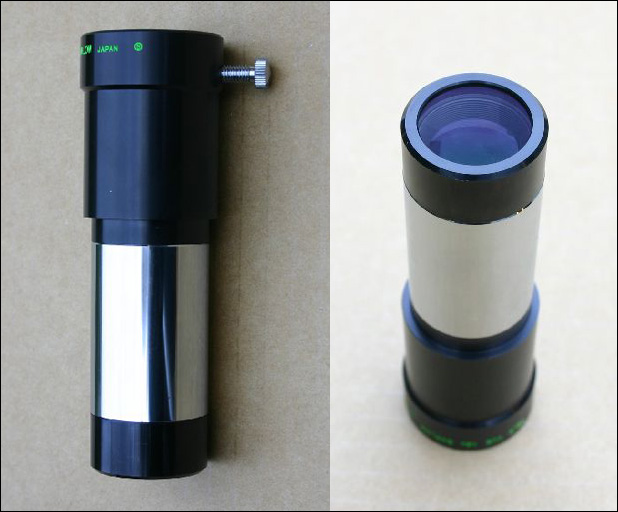
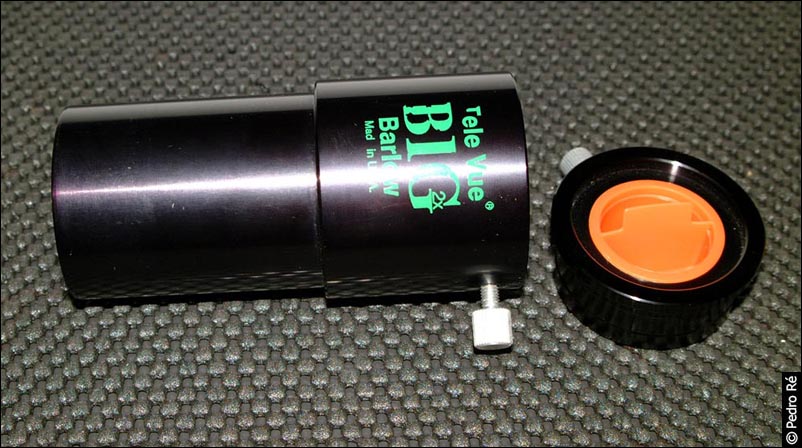
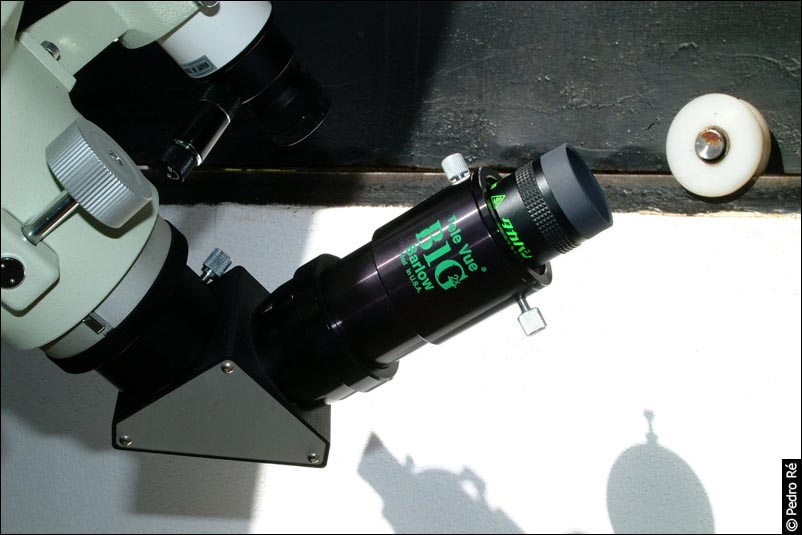
Televue X2 Apochromatic Big Barlow
Televue X2 Apochromatic Big Barlow
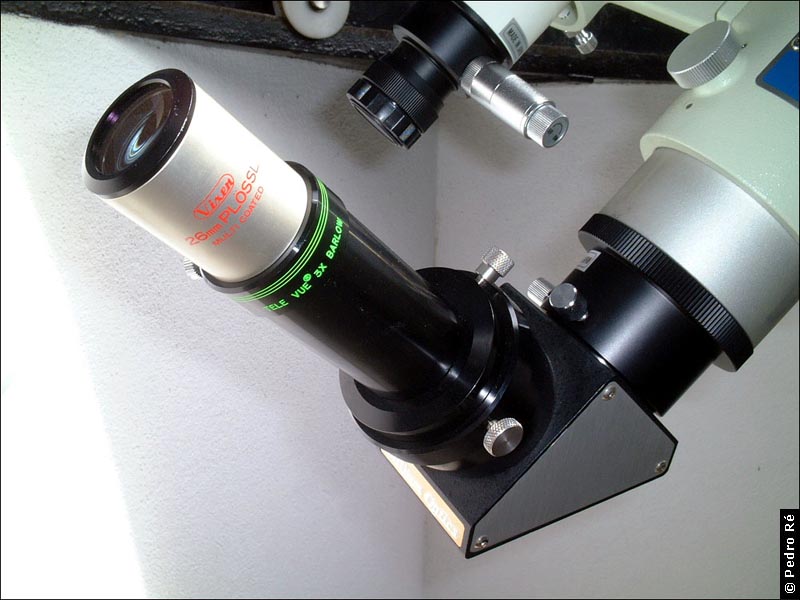
Televue X3 Apochromatic Barlow
Televue X2.5 & X4 Powermates
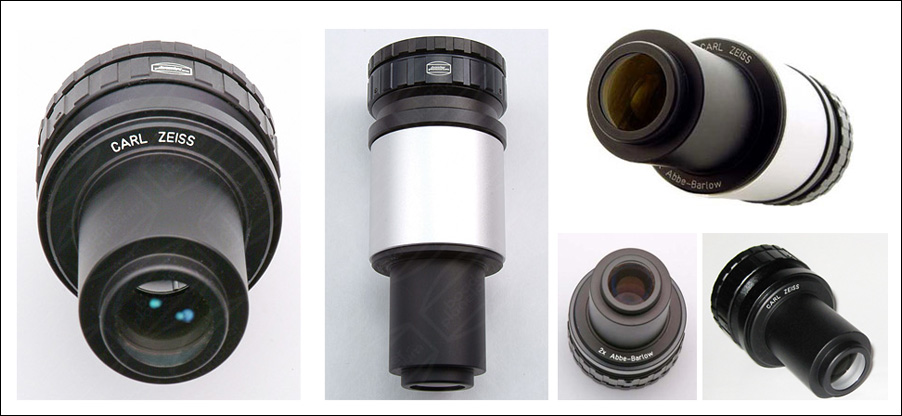
Zeiss Abbé X2 Barlow
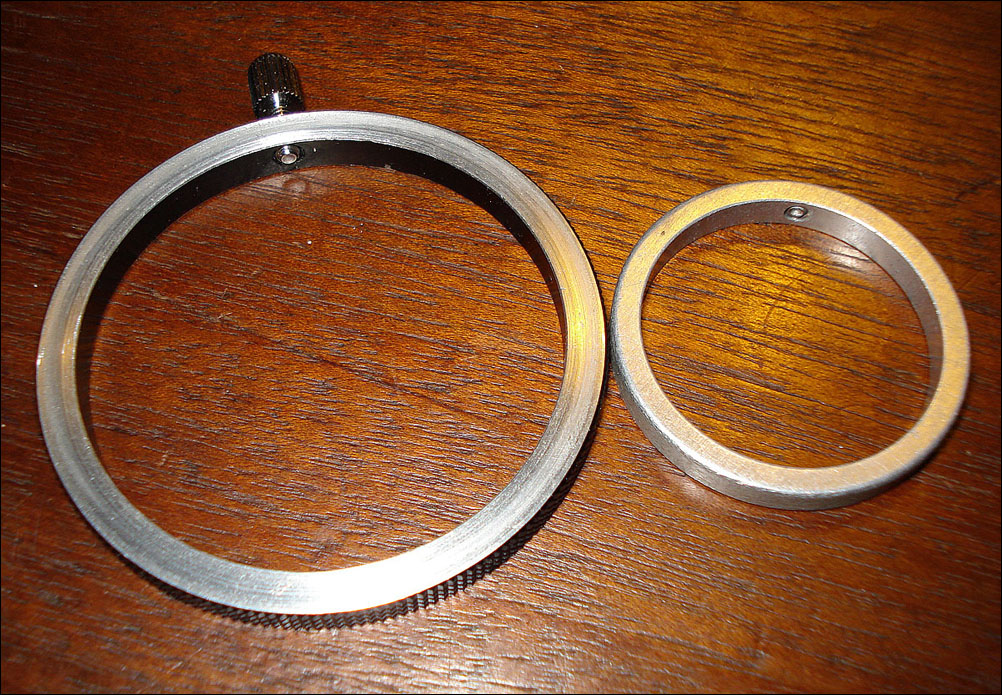
Parafocalizing rings
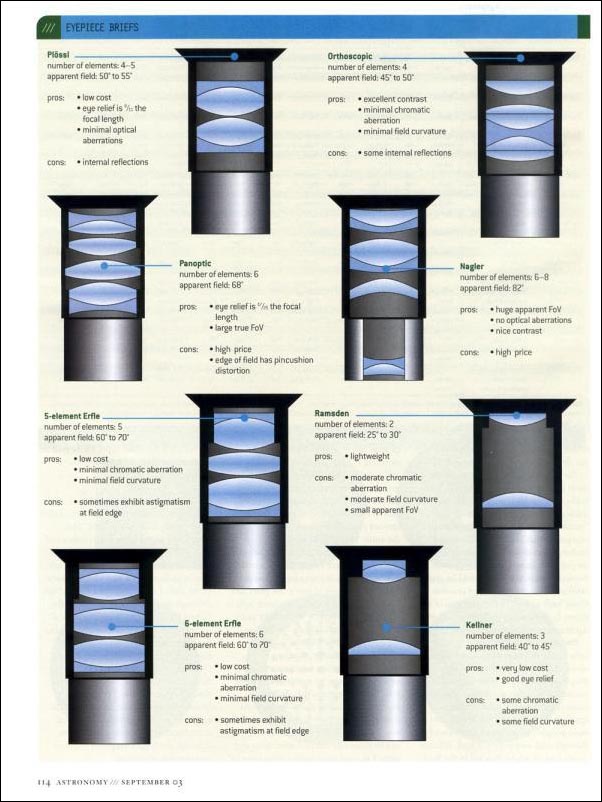
Eyepiece Briefs
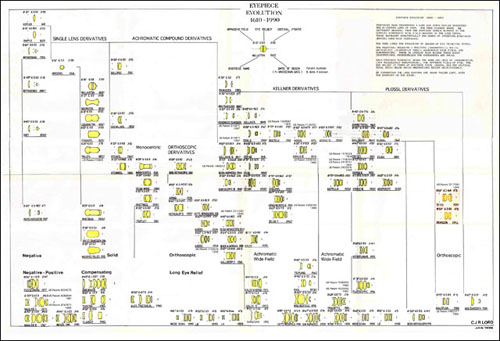
Evolution of Eyepieces (Diagram)
LORD, C.J.R. (1997). Evolution of Eyepieces (3Mb PDF File)
Visual impressions
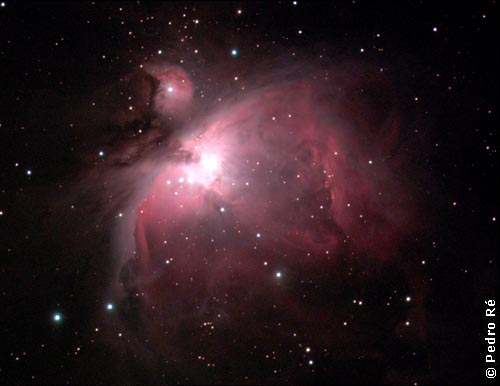
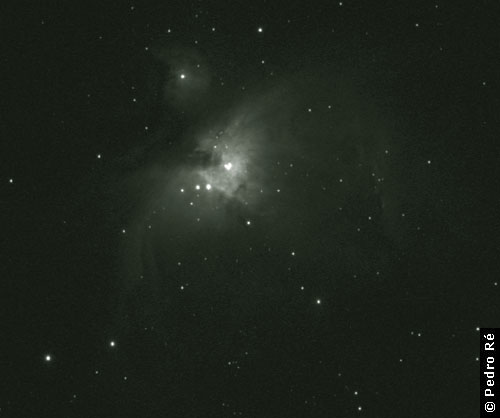
Planets and some stars show a limited amount of color. Galaxies and nebulae show none. The Orion nebula looks slightly green to some observers.
Below you can see two images of M42. One of the images was processed to simulate a telescopic view.
Color can only be seen in the bright objects in the night sky, such as stars, planets, and bright planetary nebulae. However, experienced amateur astronomers realize
that very few deep-sky objects, such as emission or reflection nebulae, will show any color at all visually, even in the largest telescopes.
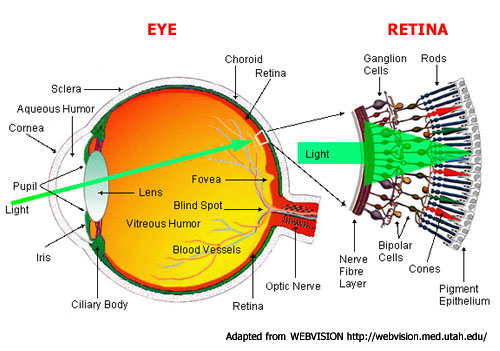
This is because most objects are just not bright enough to stimulate the eye's cone cells in the retina which detect color. The rod cells in the retina, which are
sensitive to faint light, see only in black, white and shades of gray.

Focus animation.
|