|
|
|
Radio amateur activities
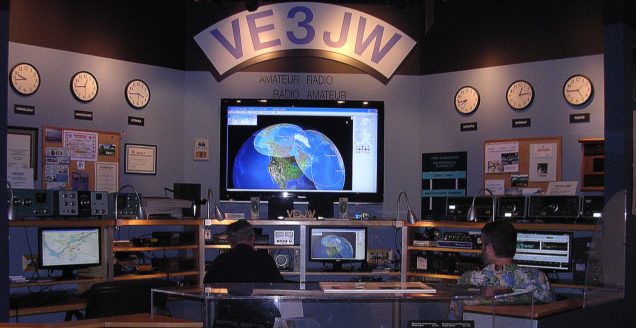
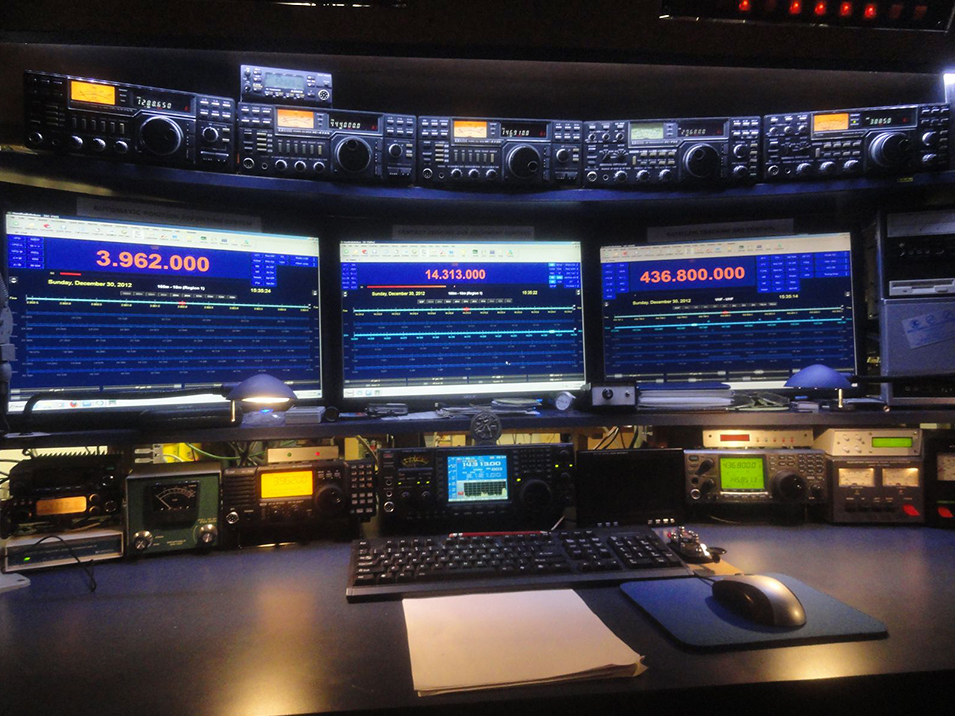
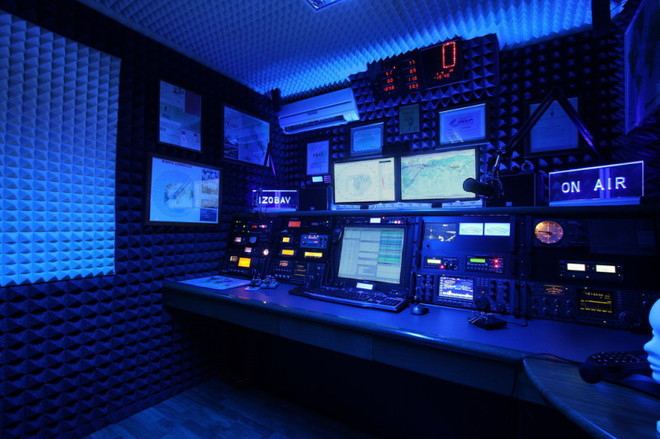
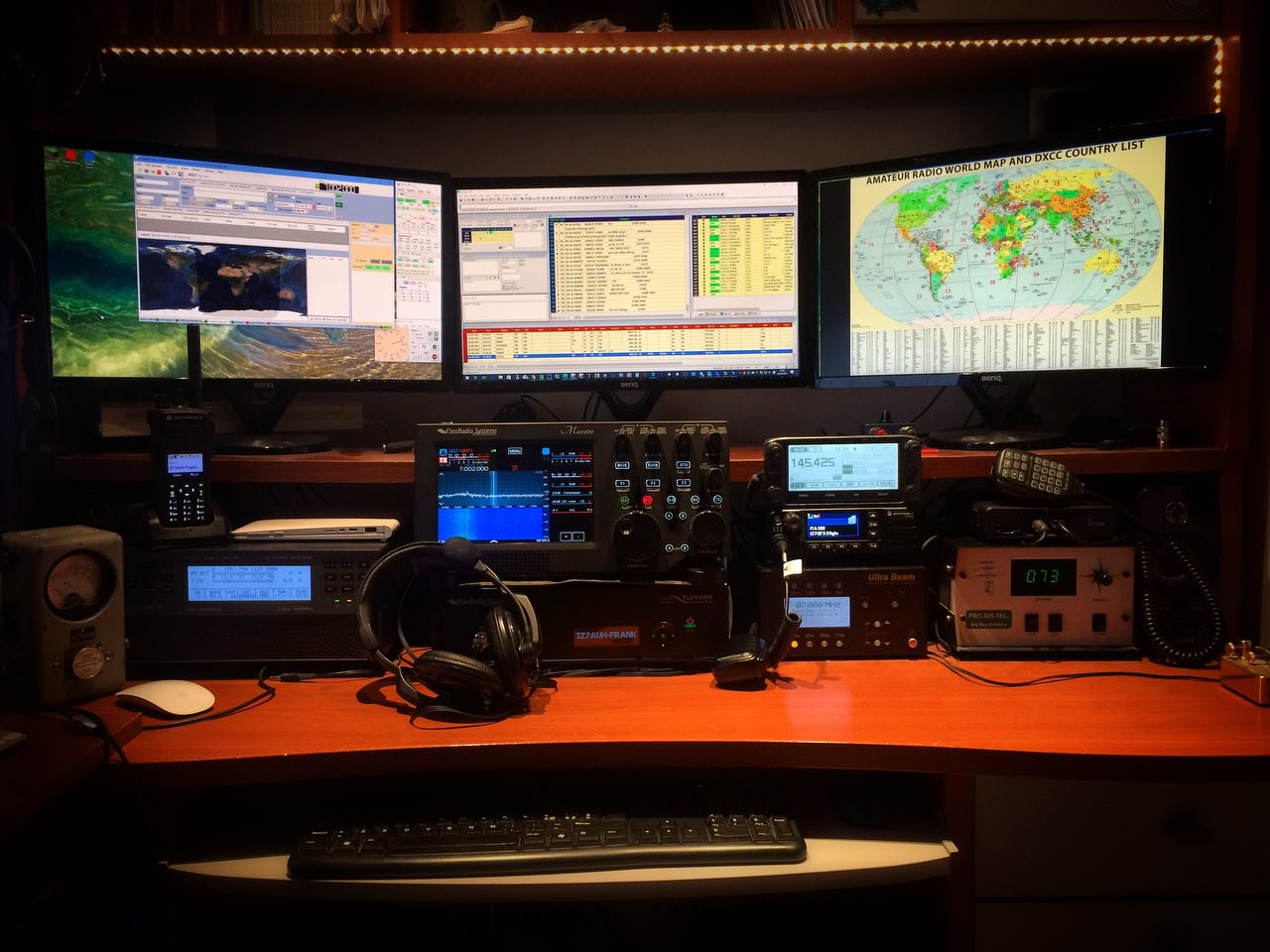
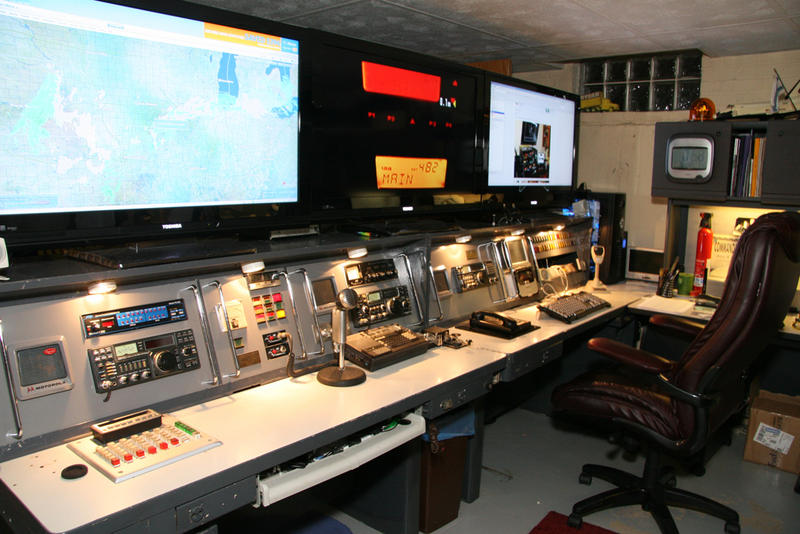
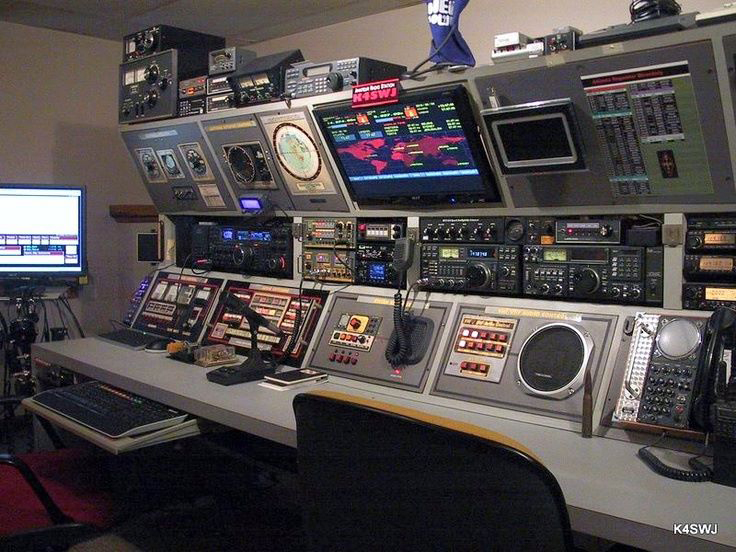
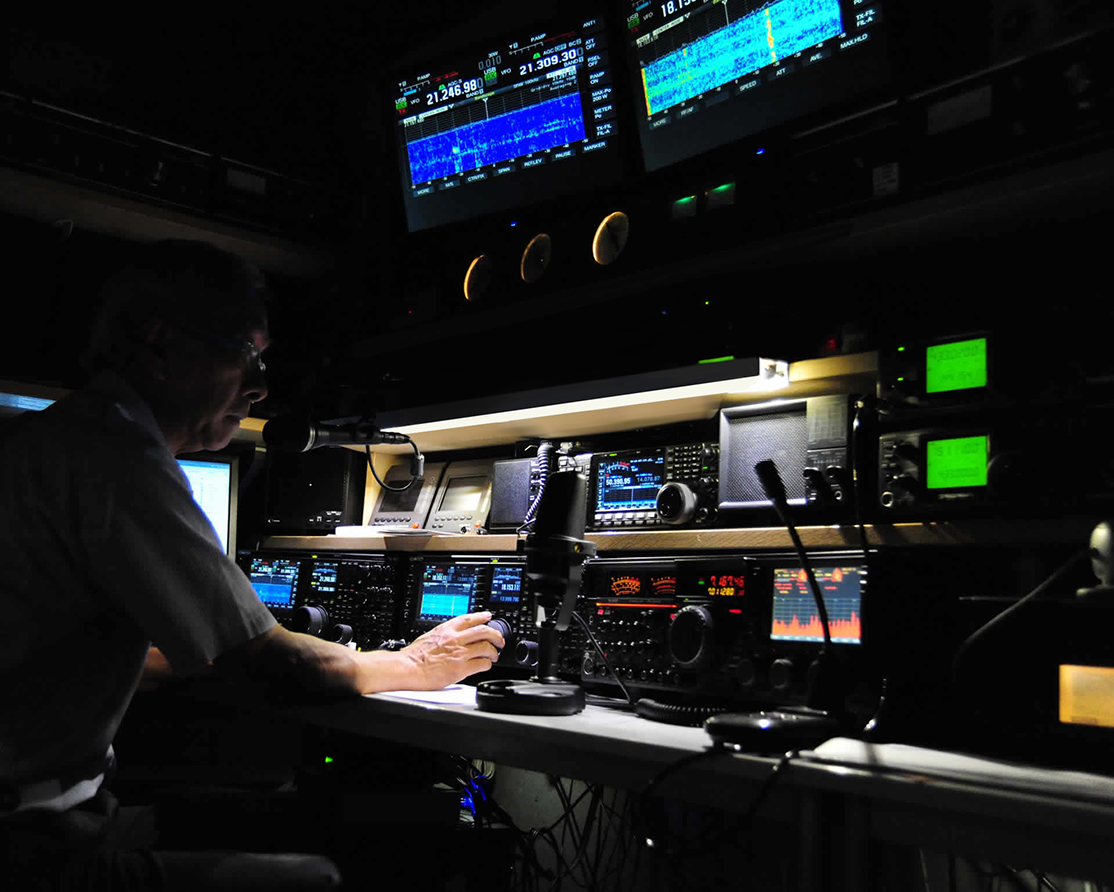
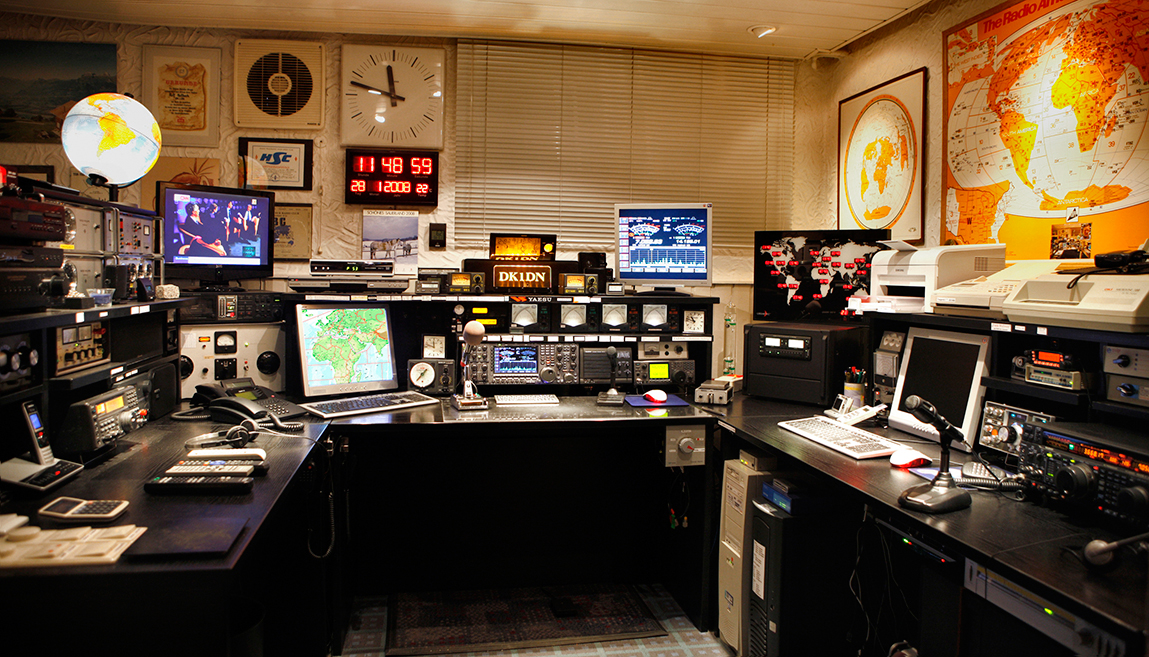
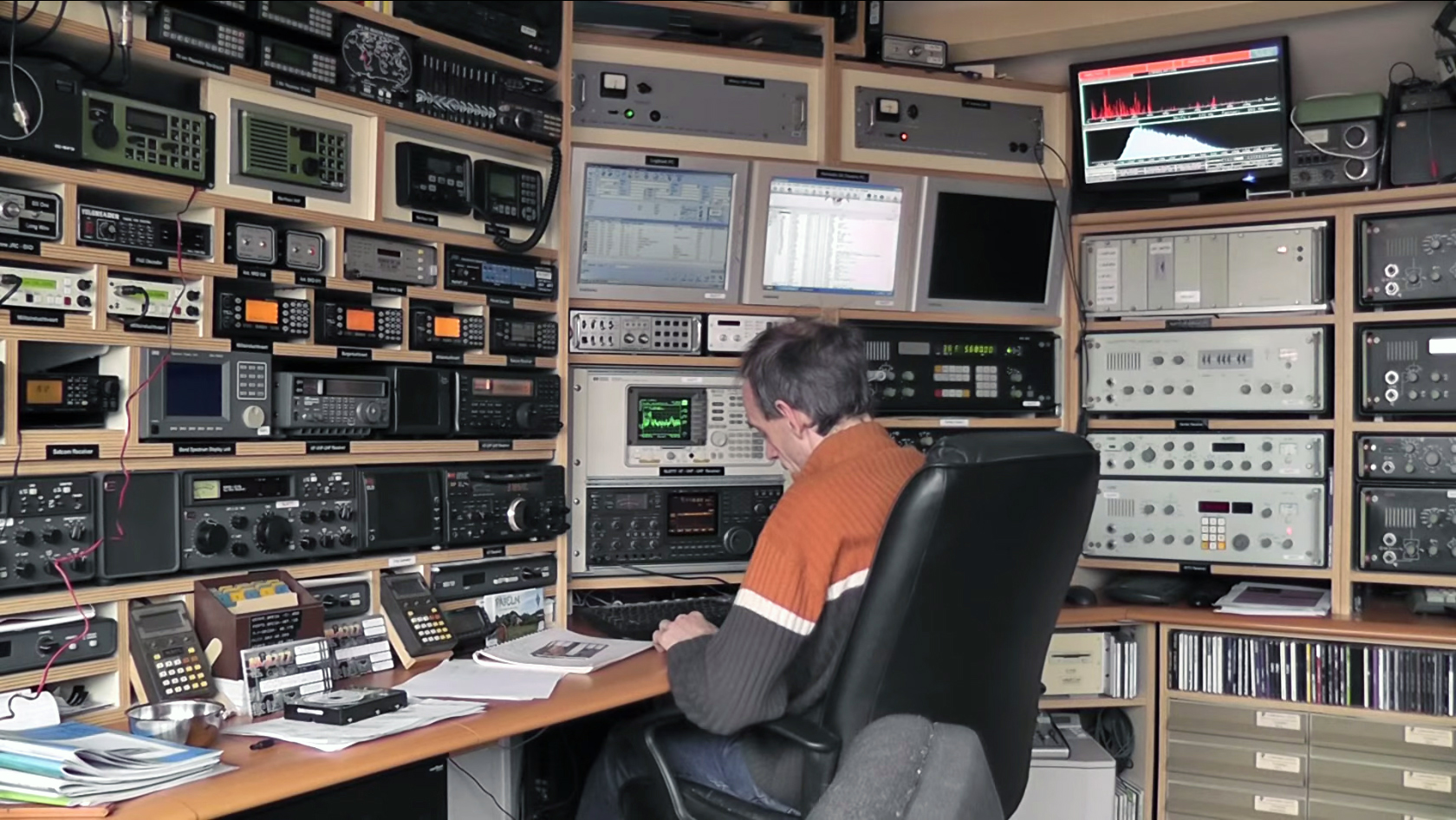
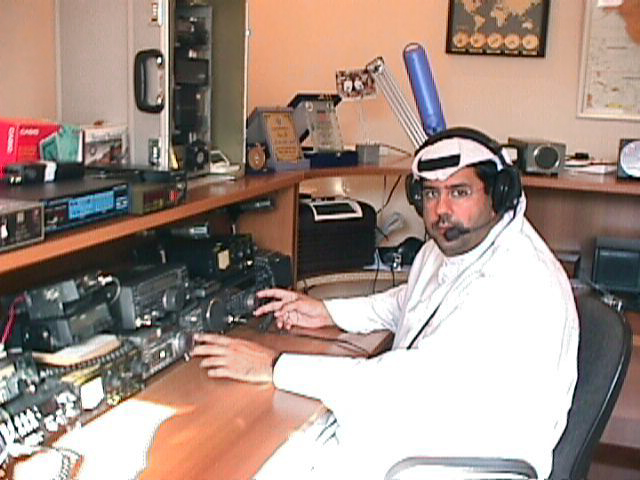
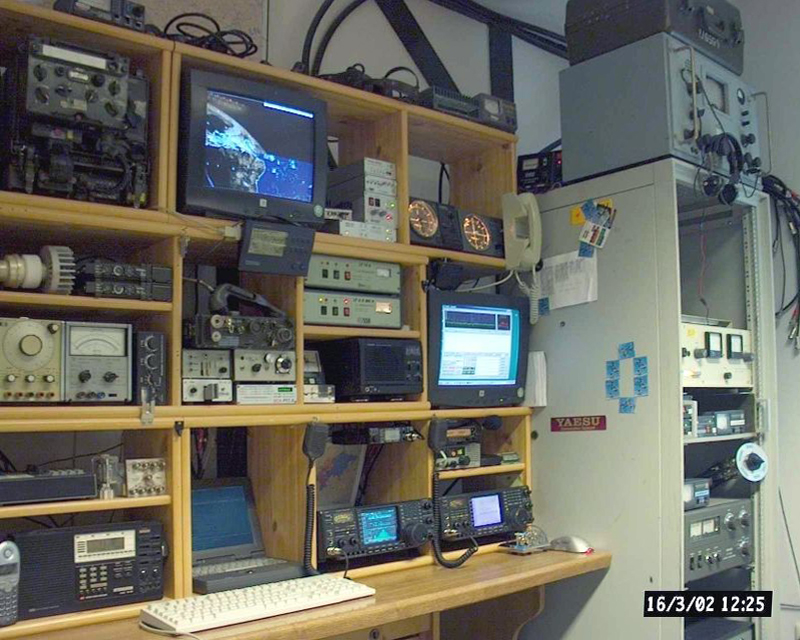
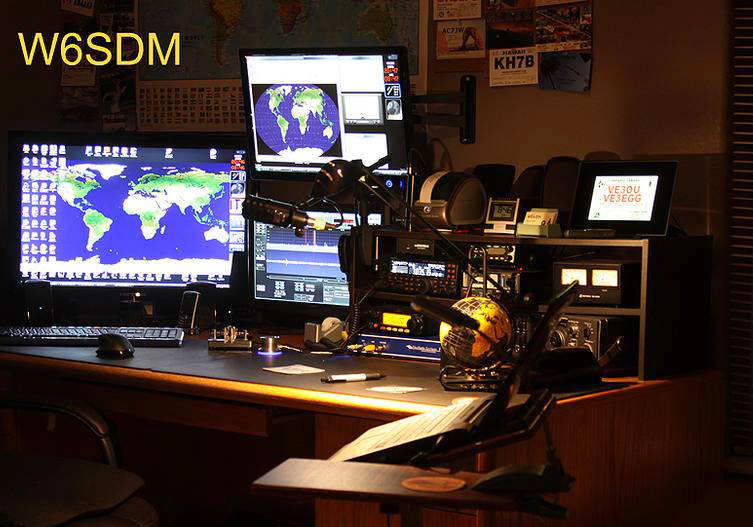
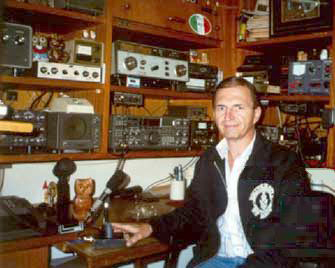
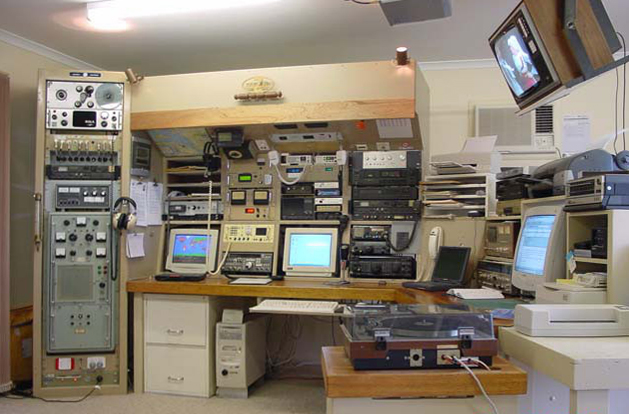
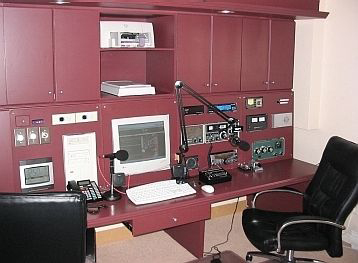
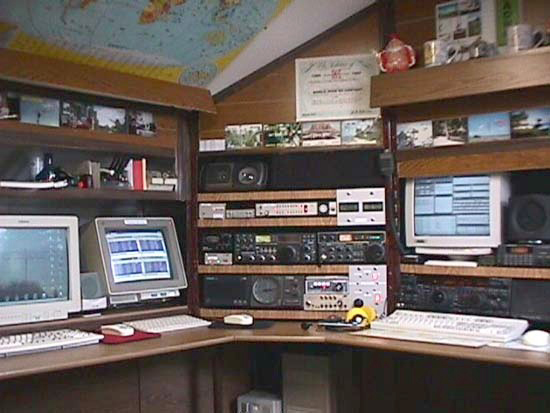
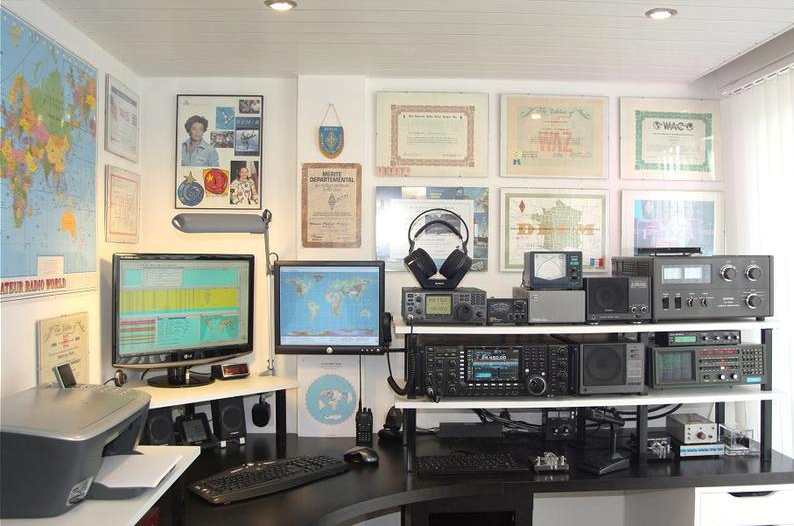
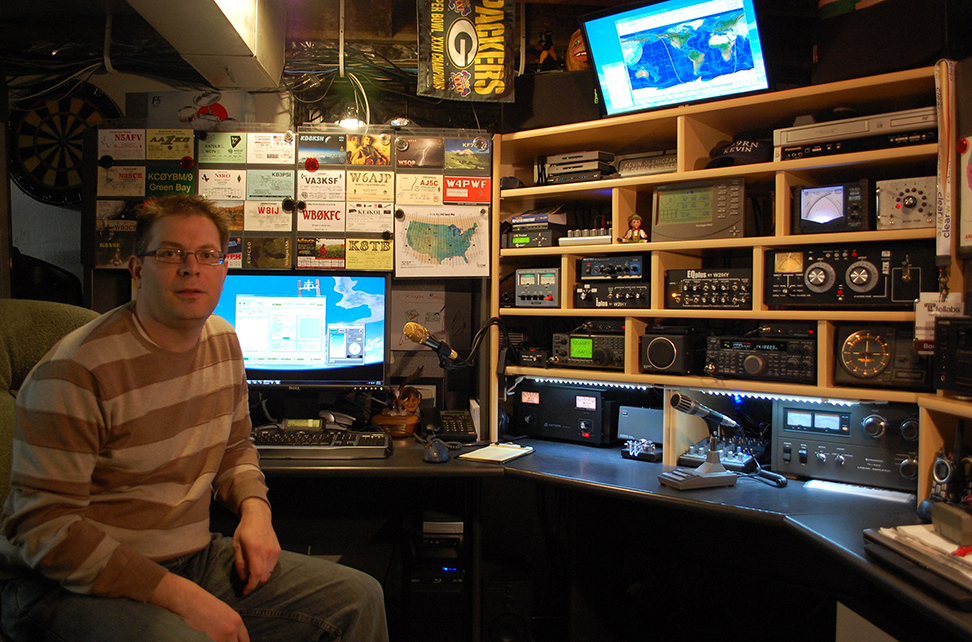
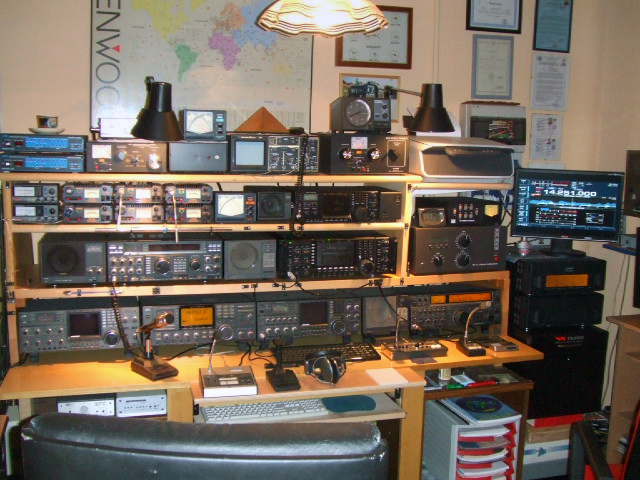
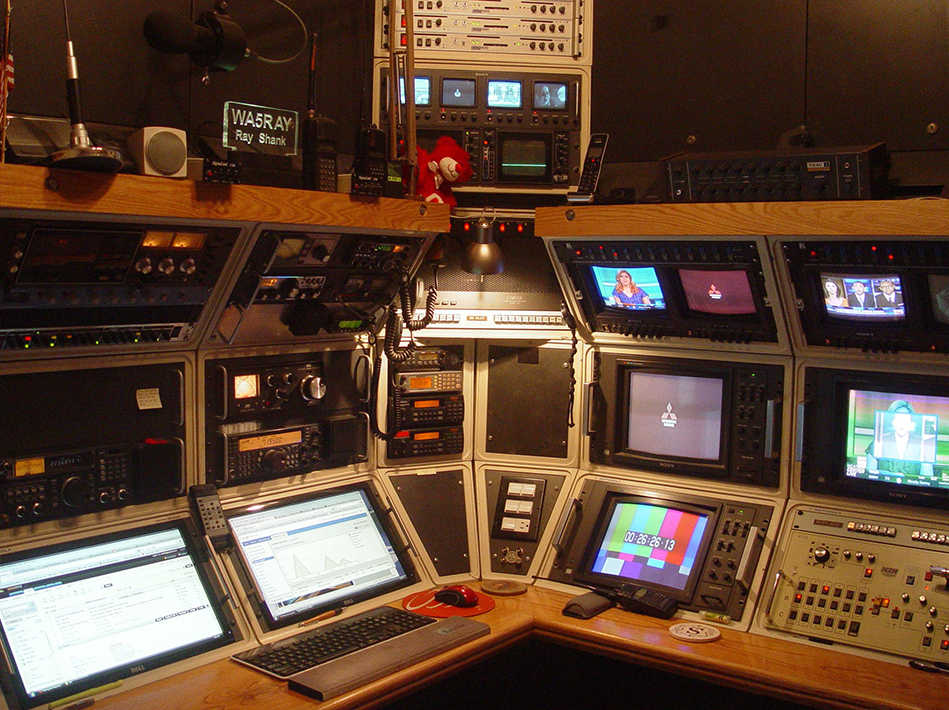
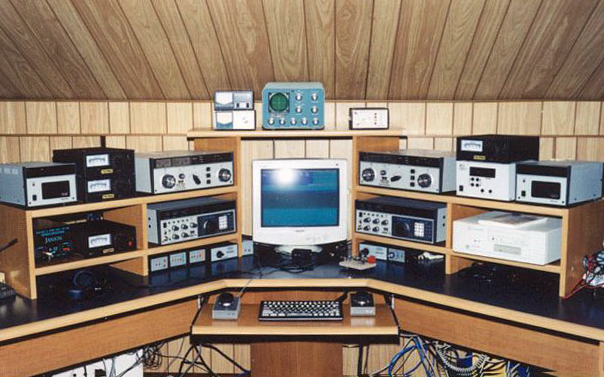
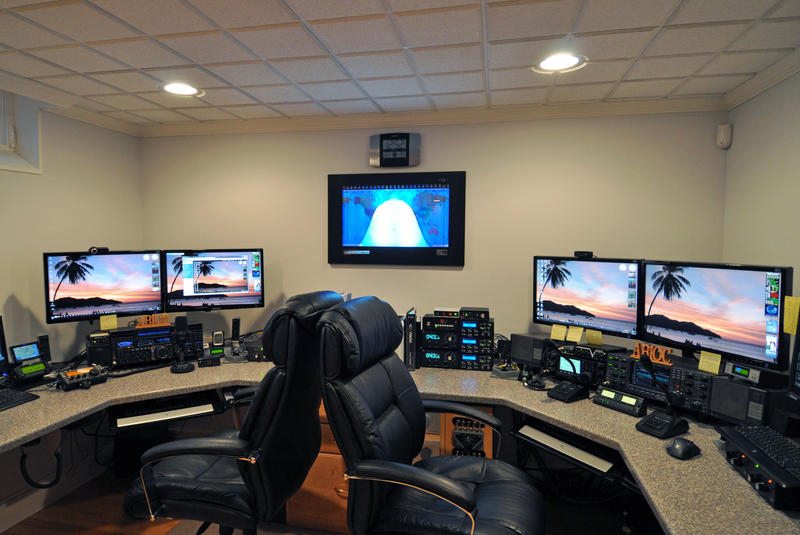
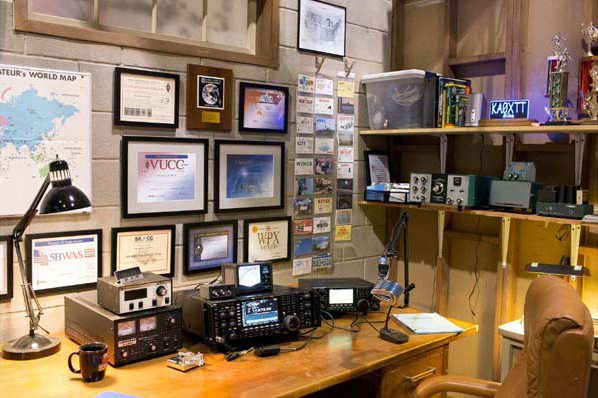
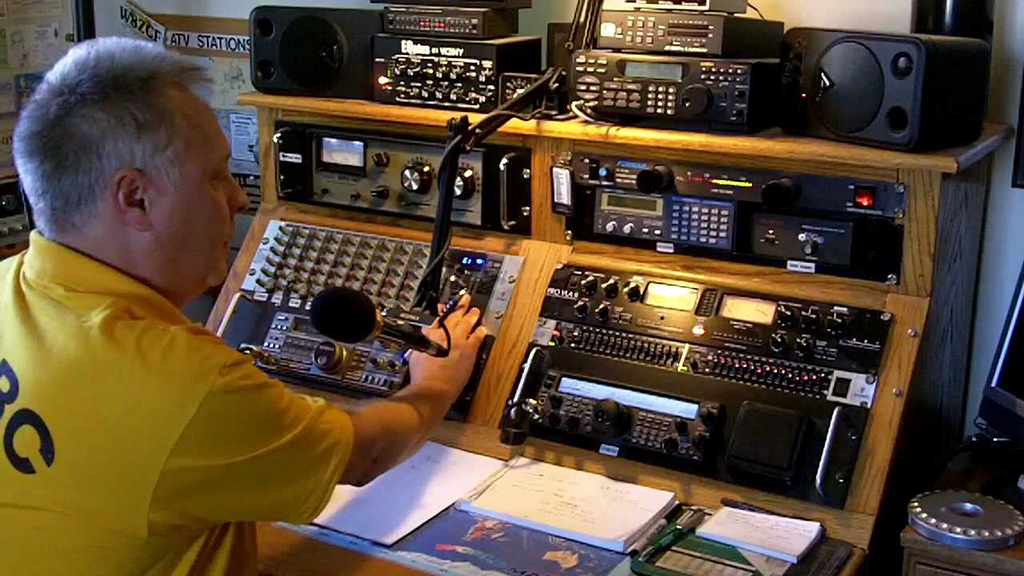
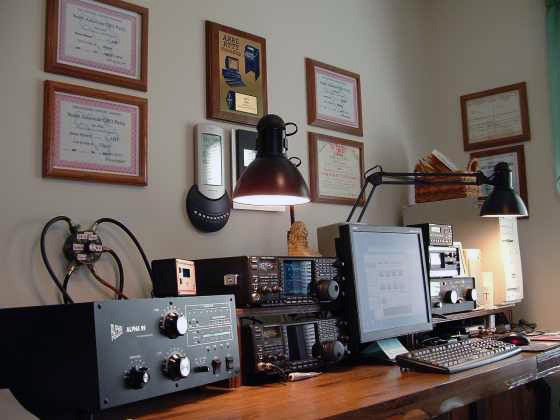
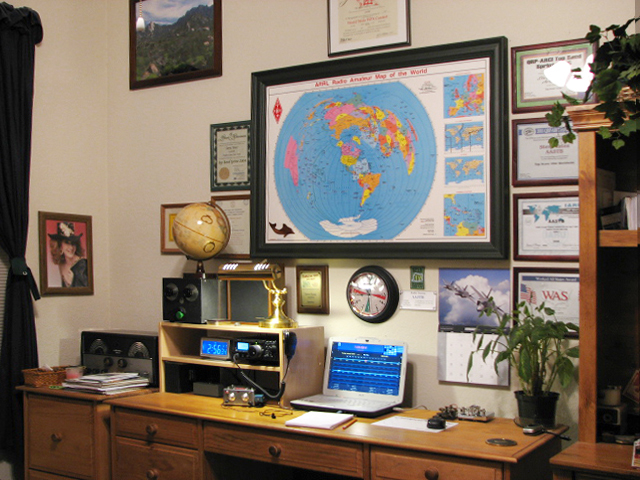
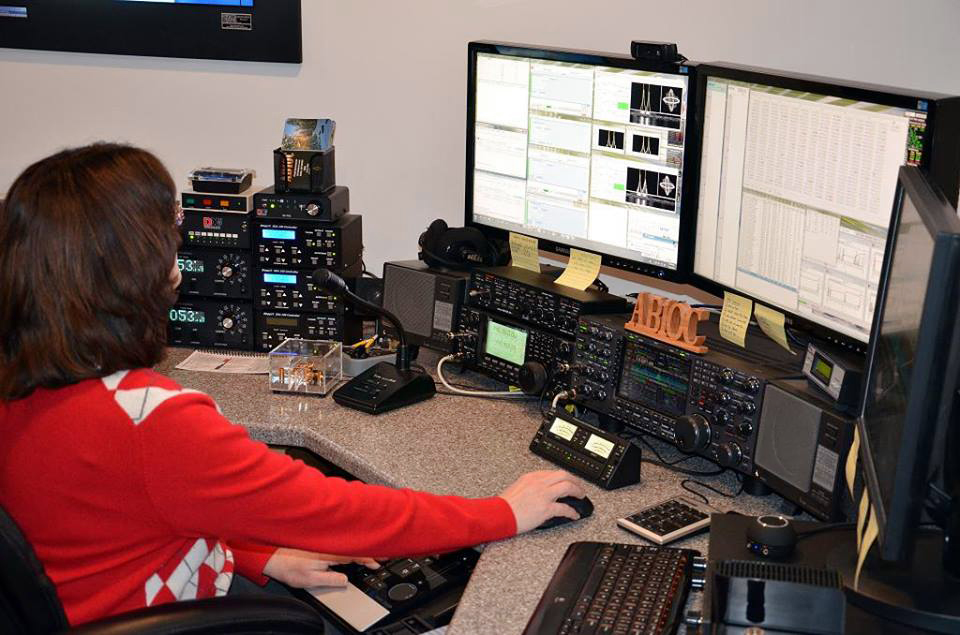
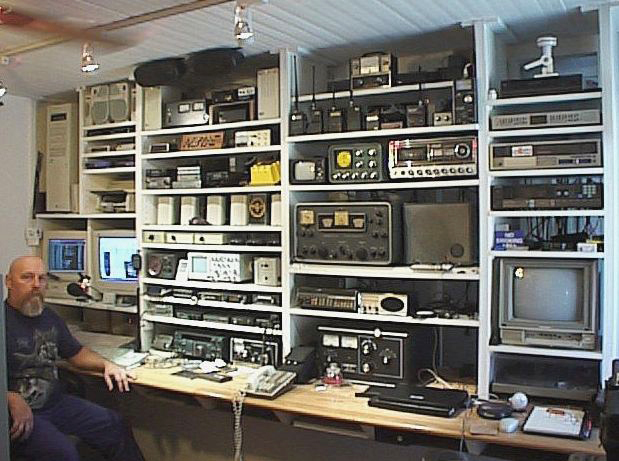
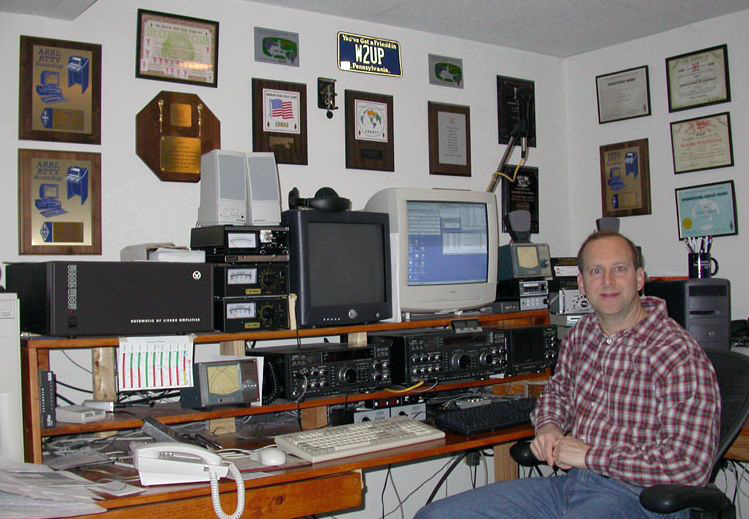
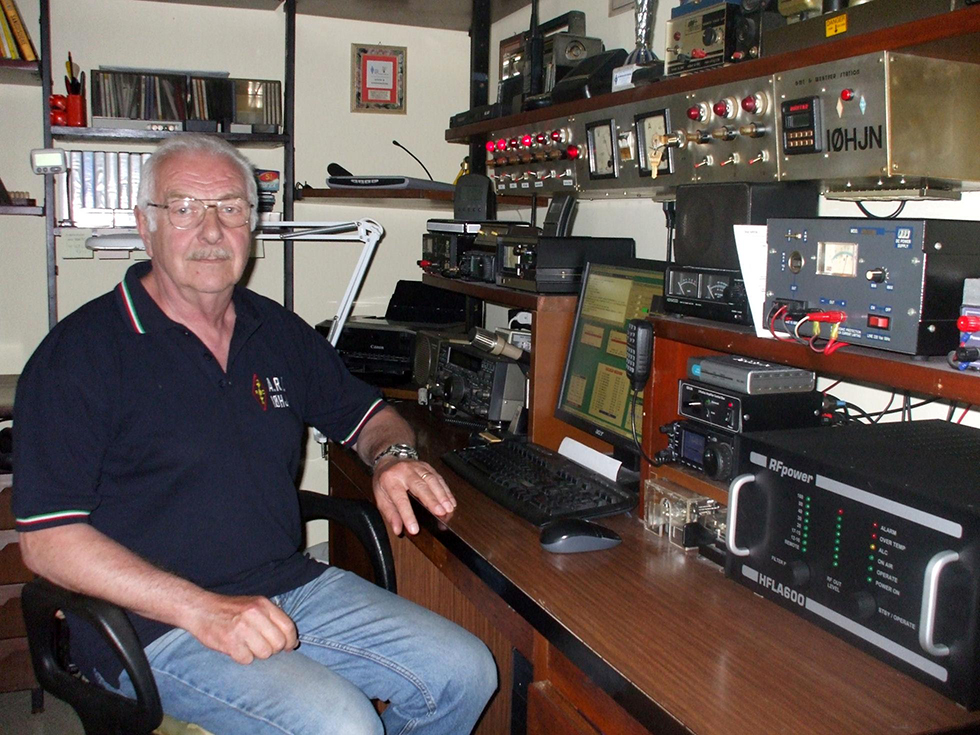
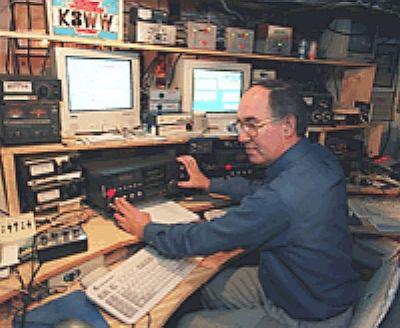
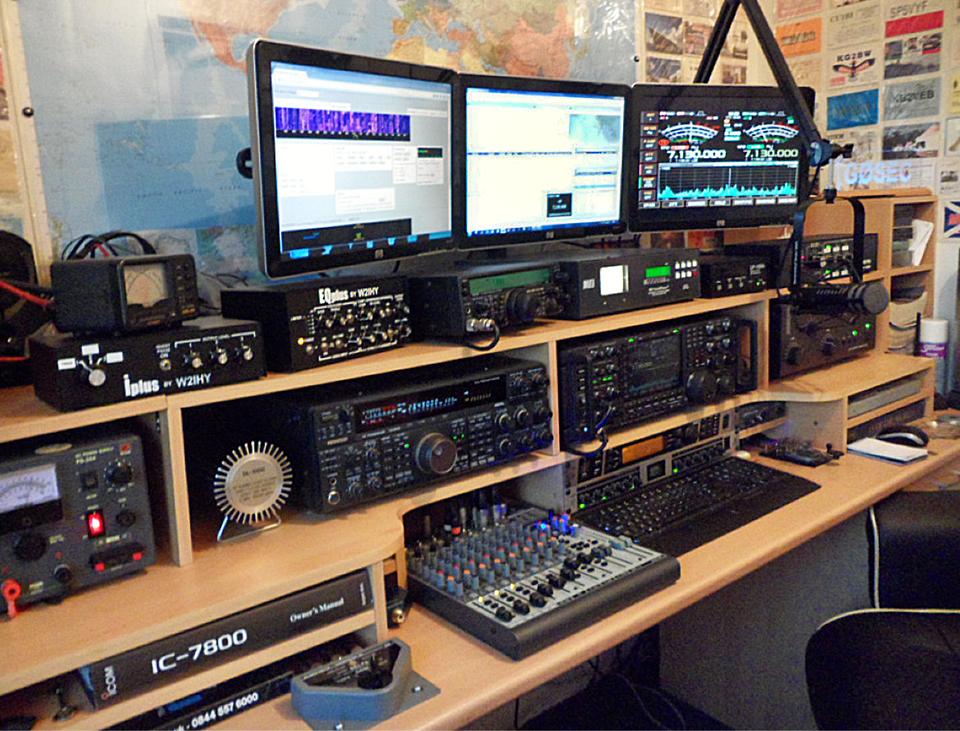
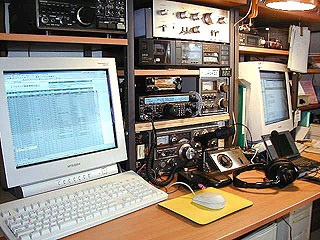
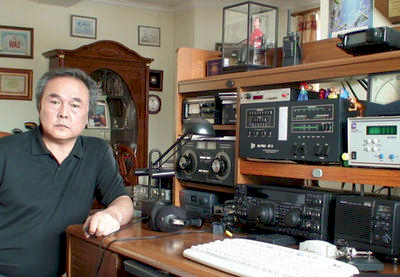
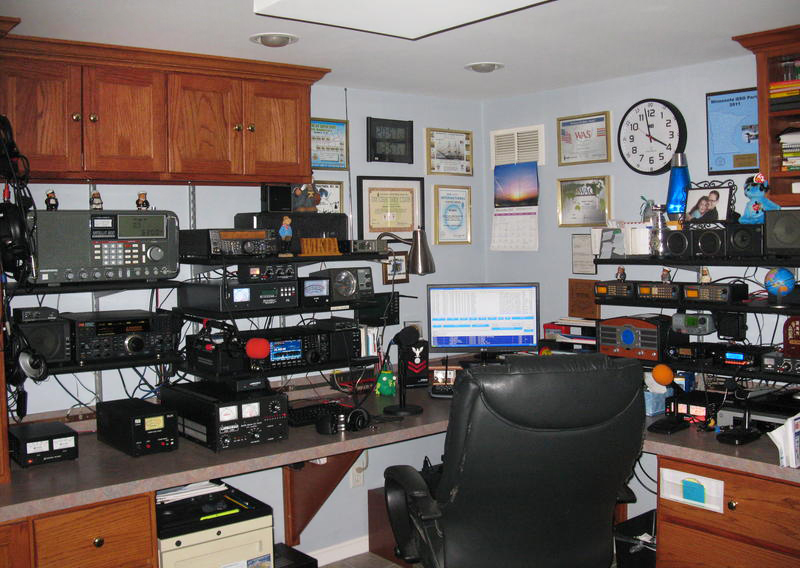
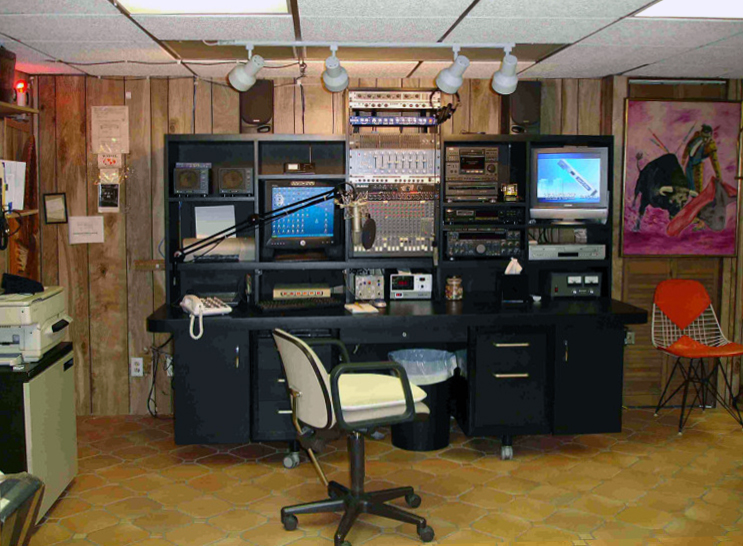
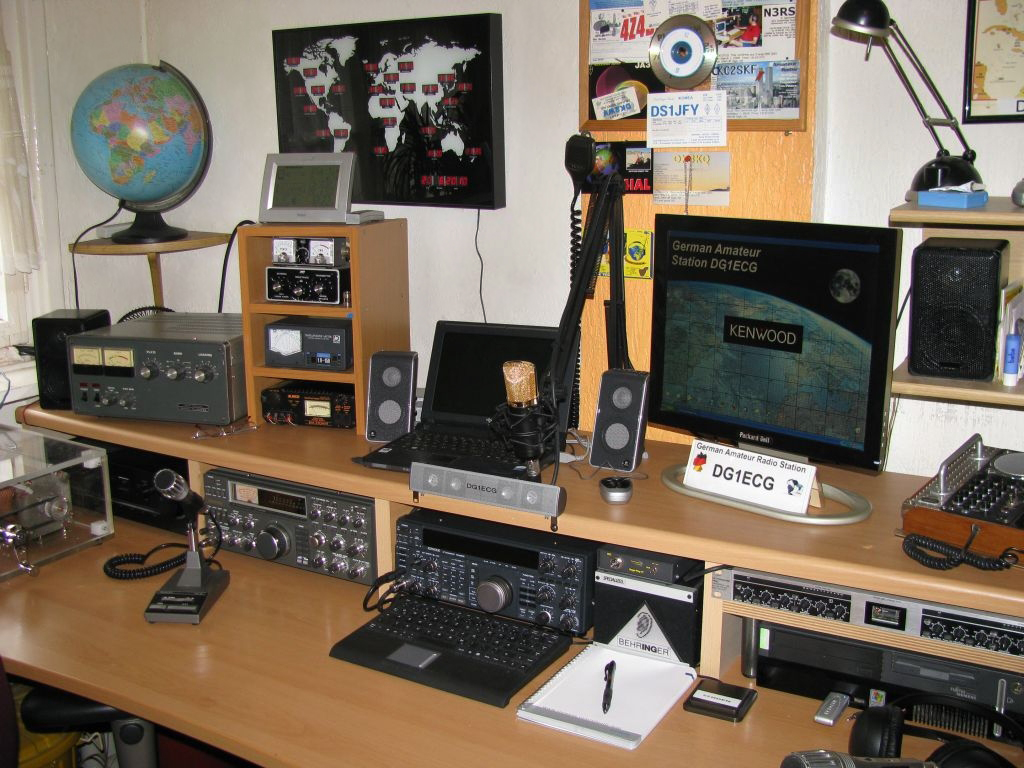
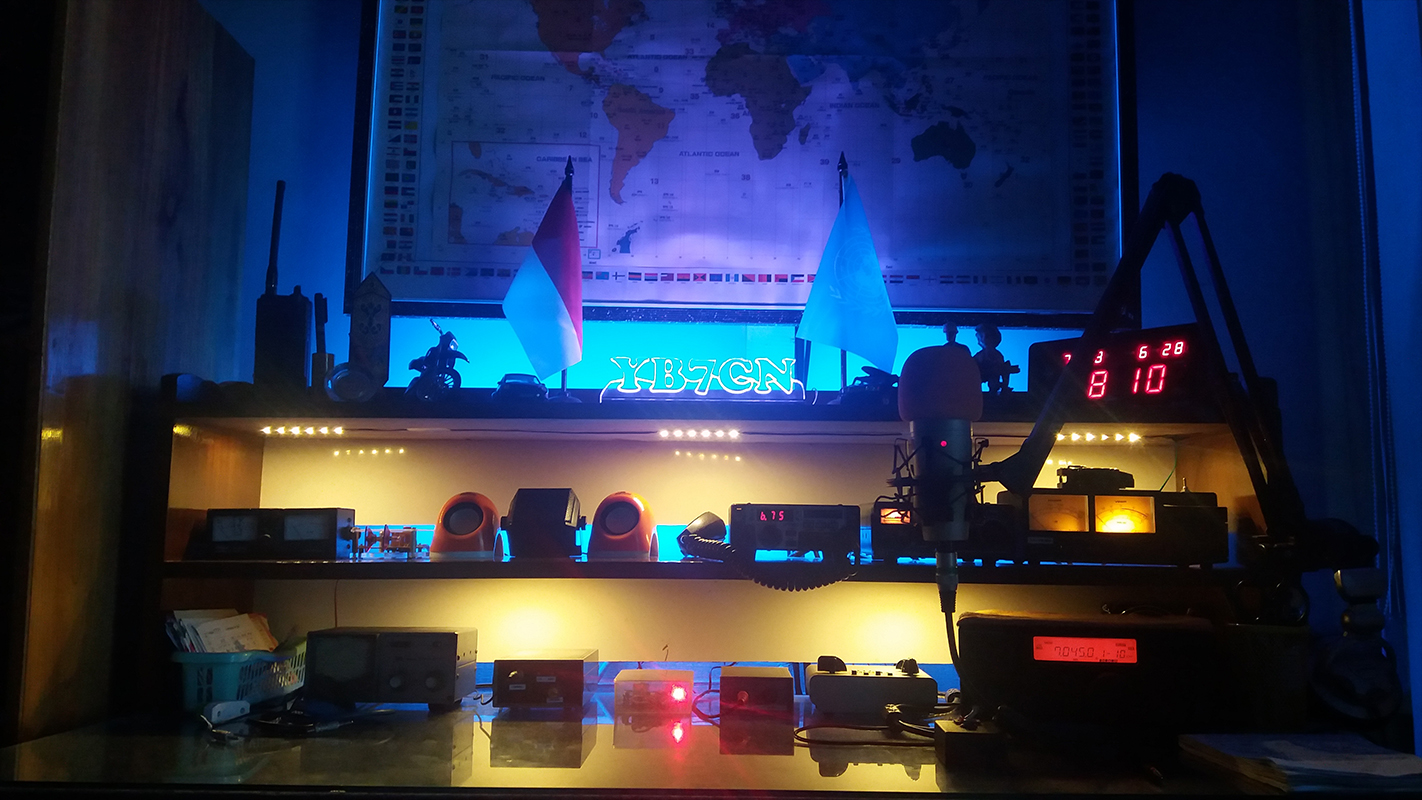
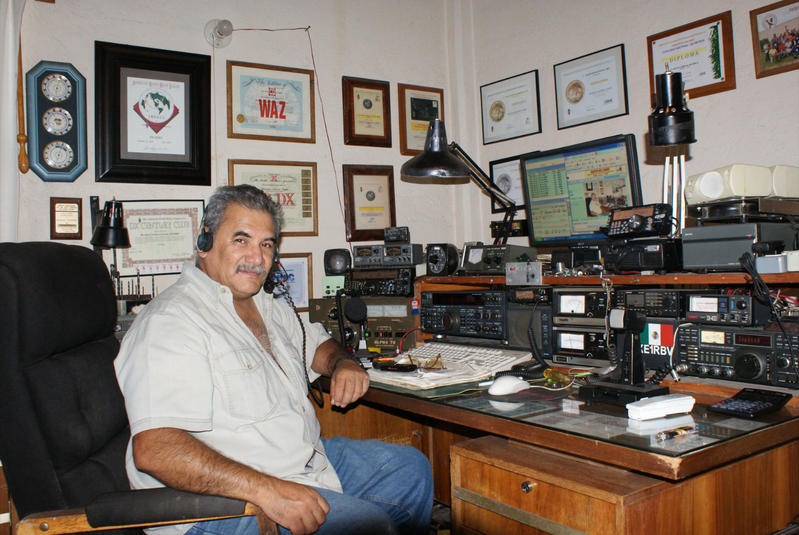
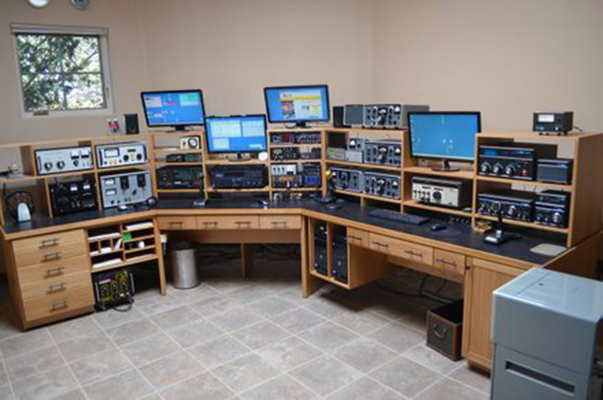
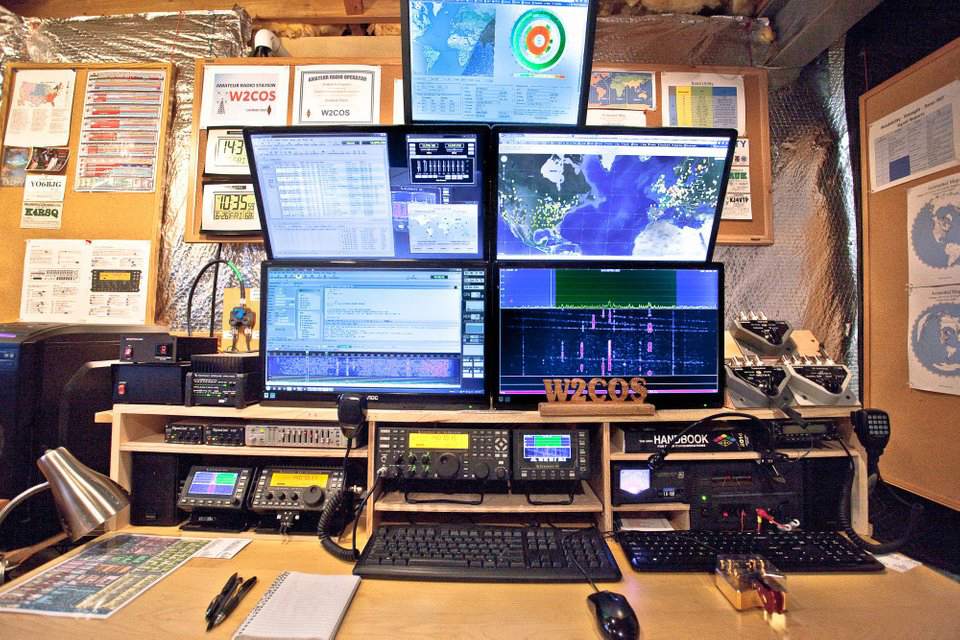
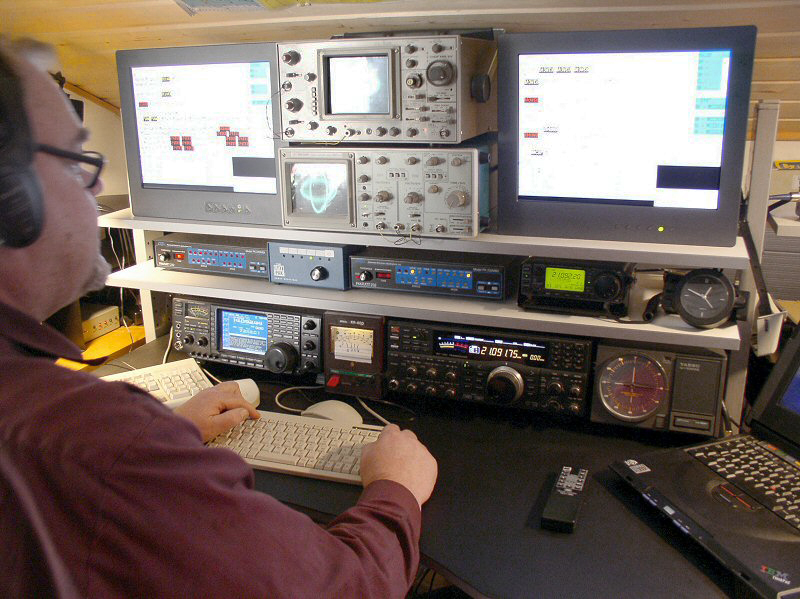
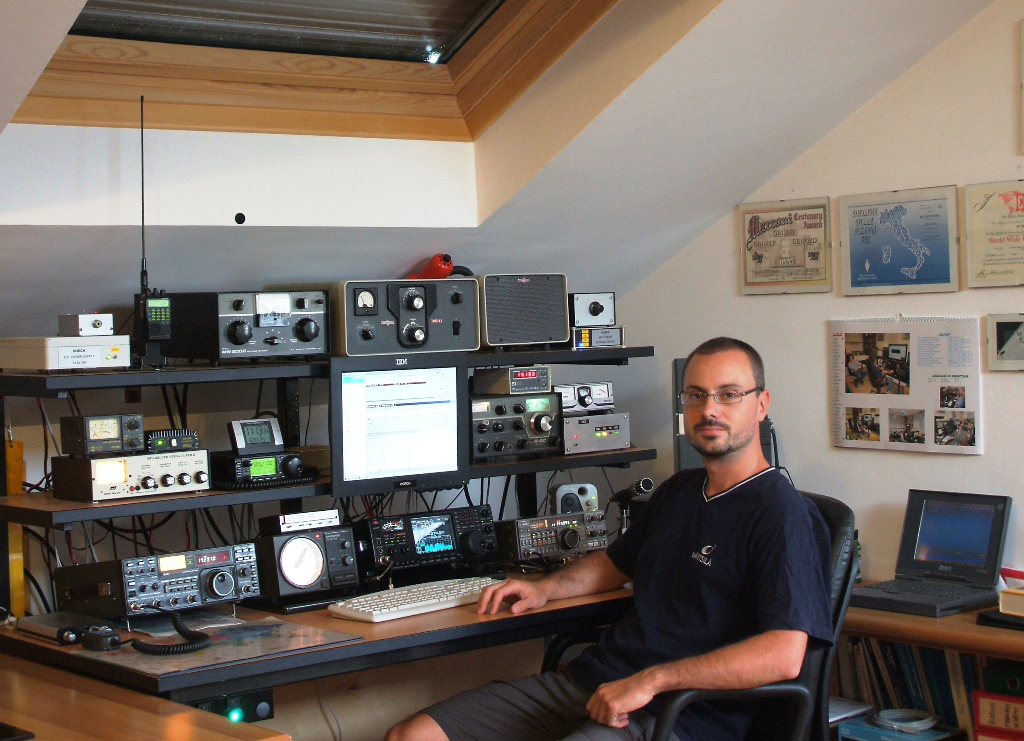
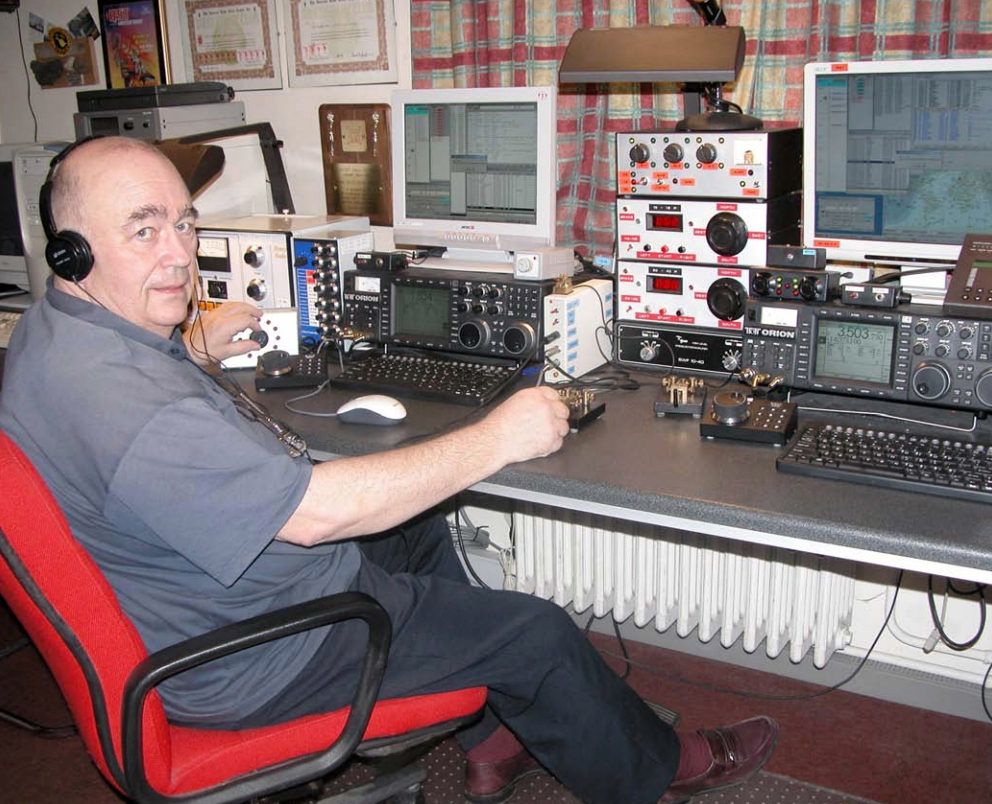
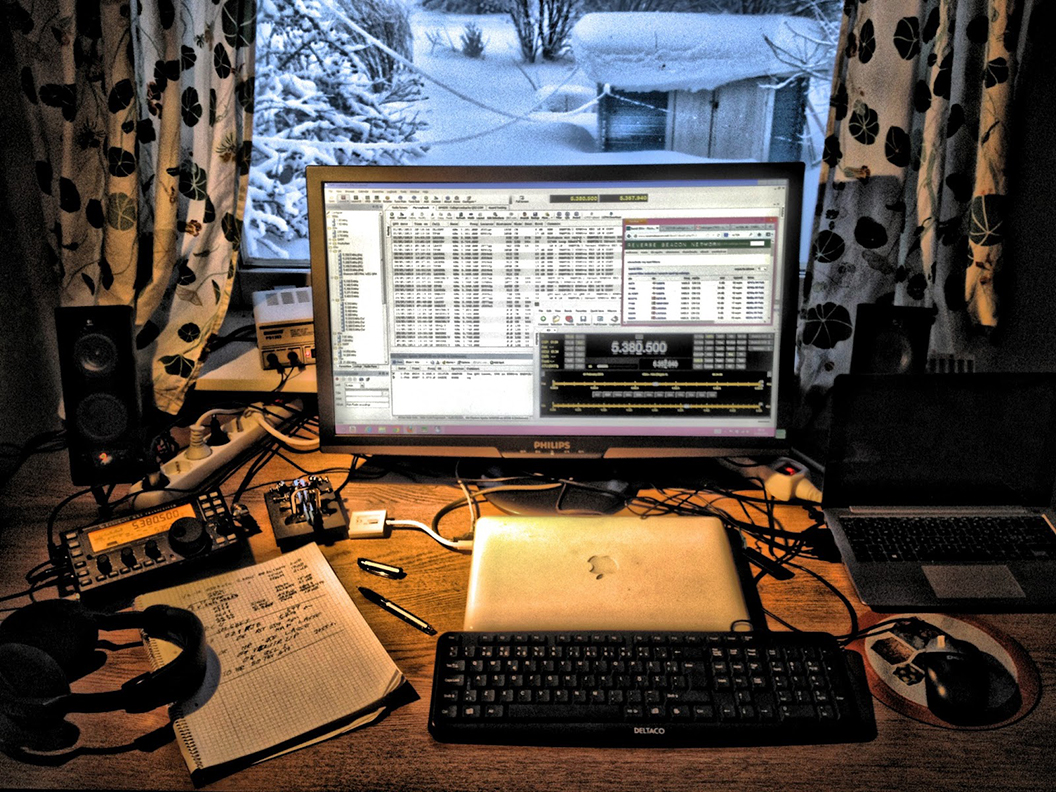
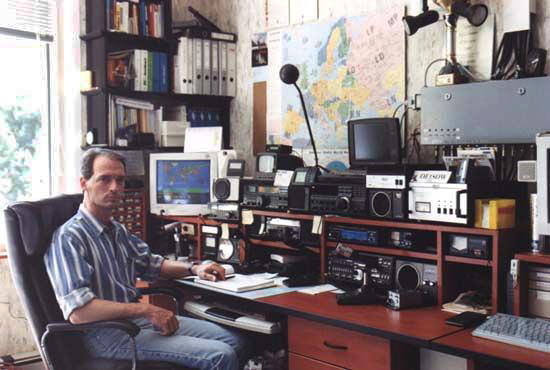
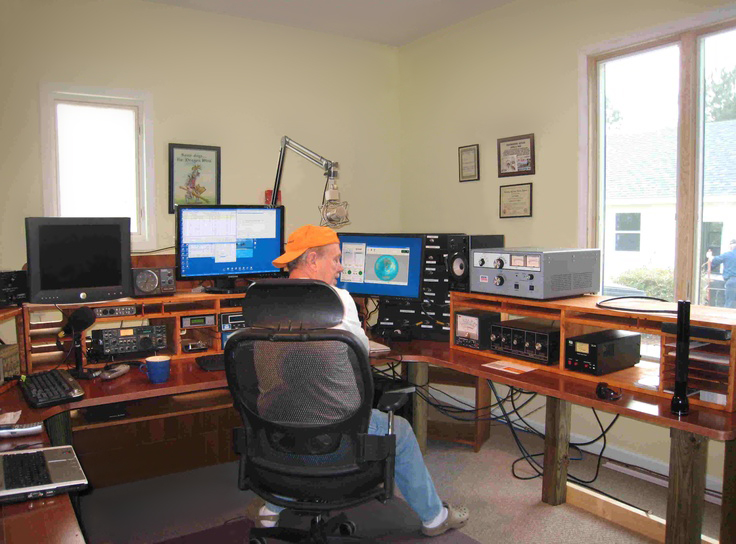
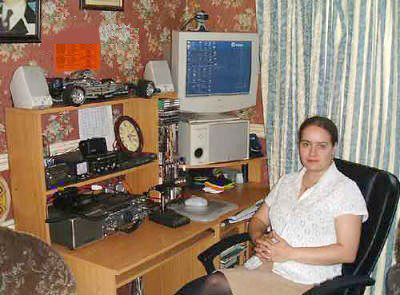
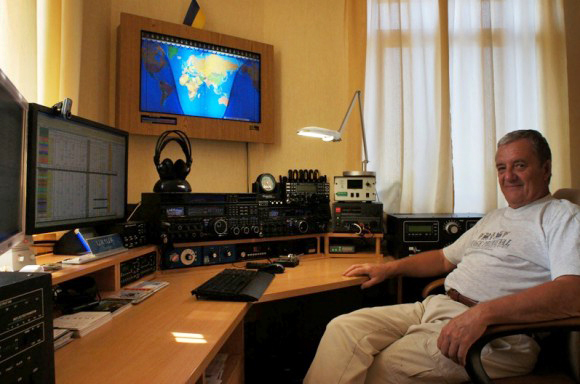
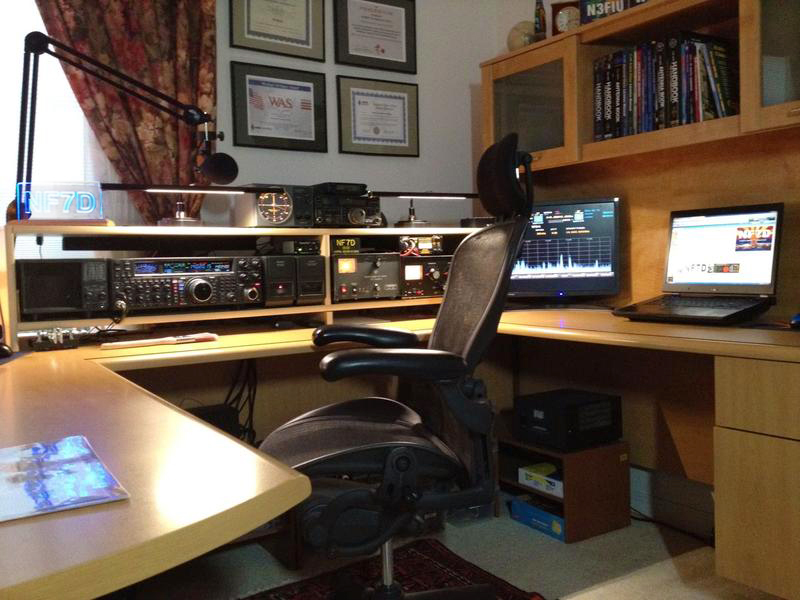
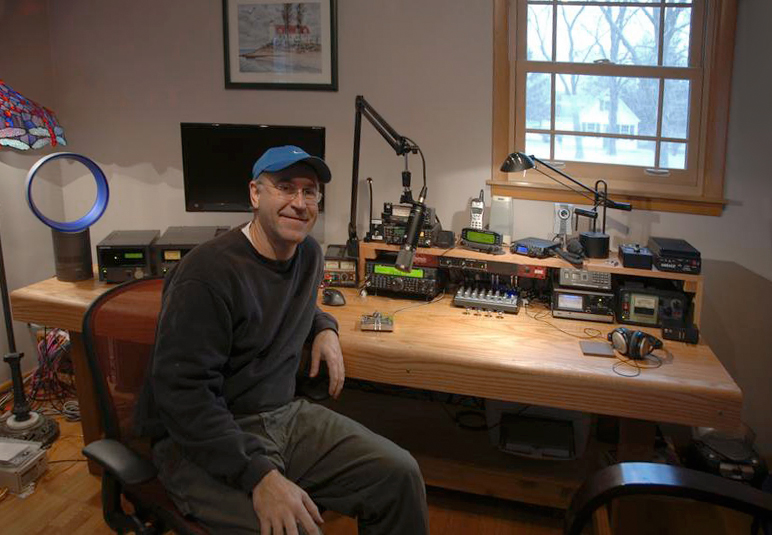
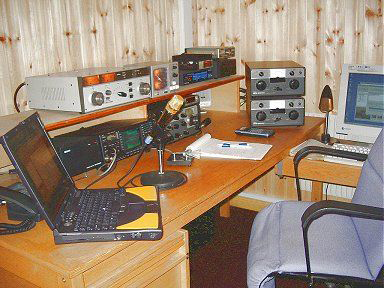
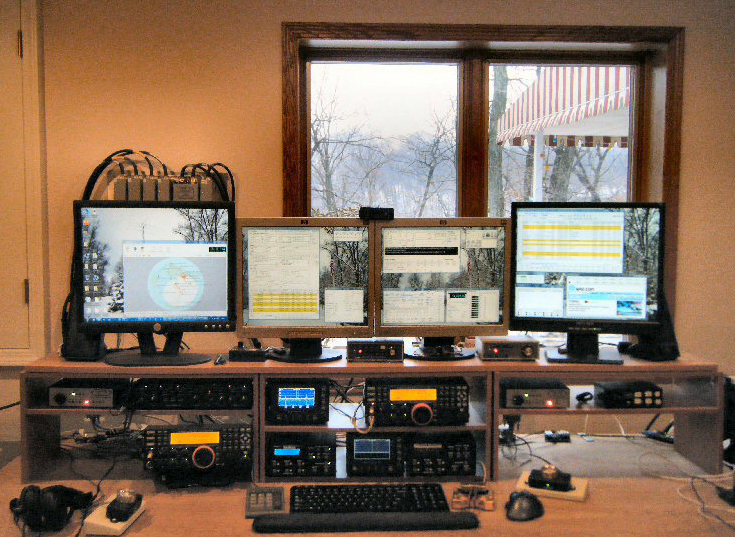
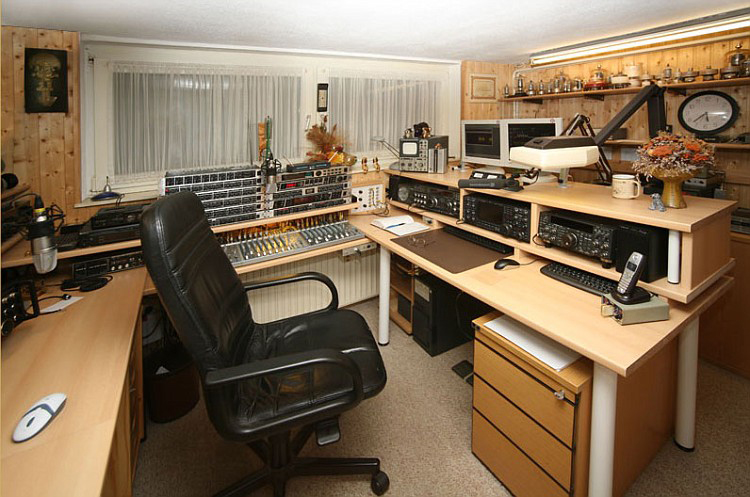
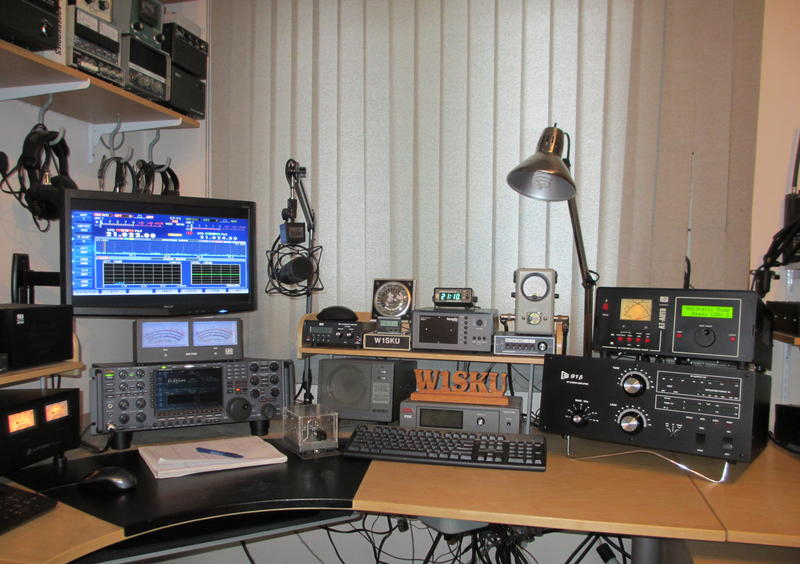
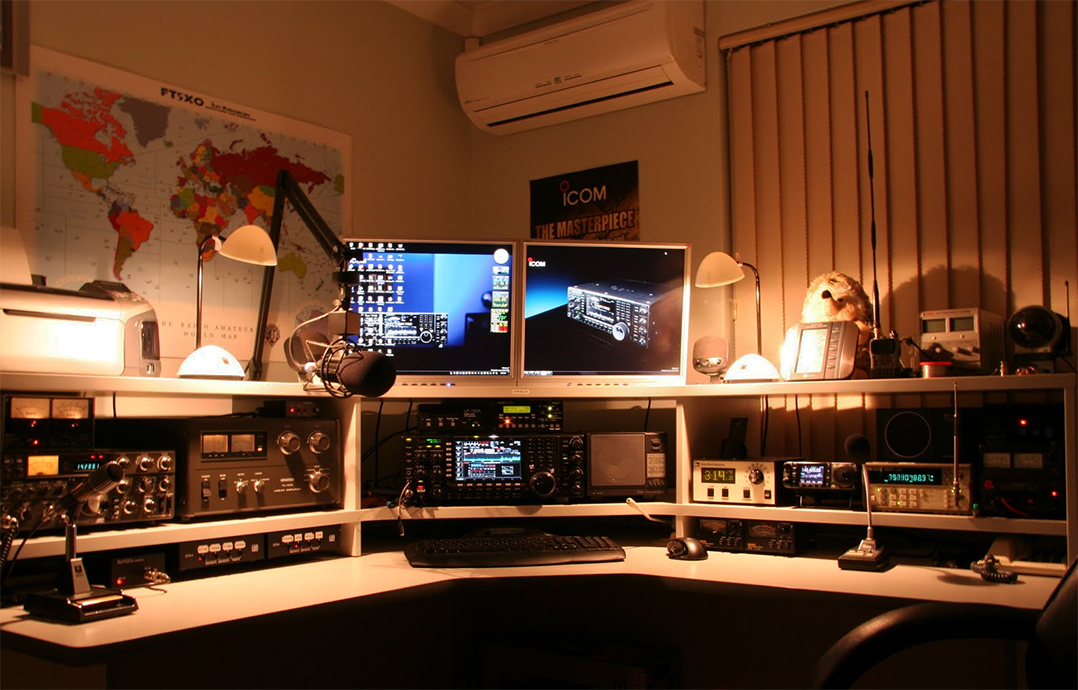
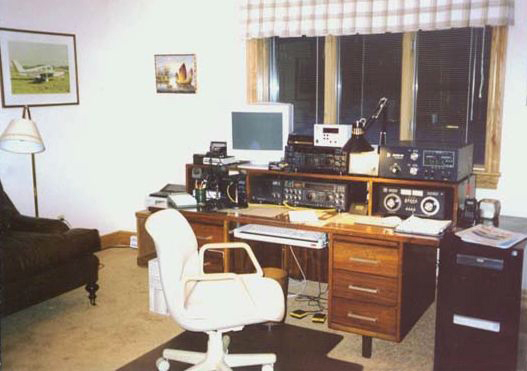
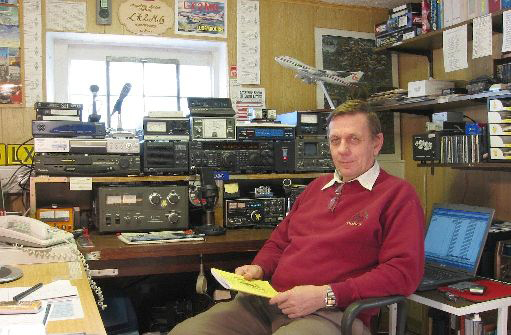
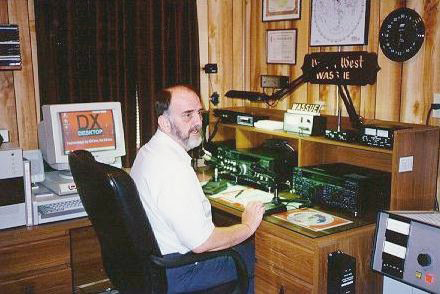
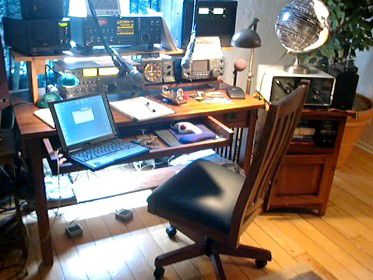
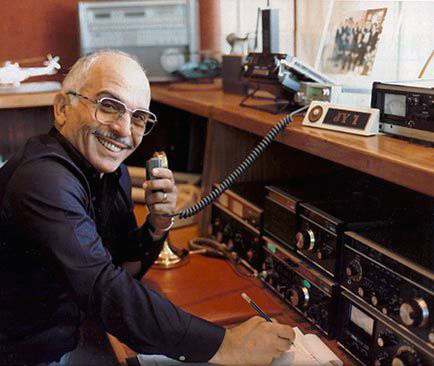
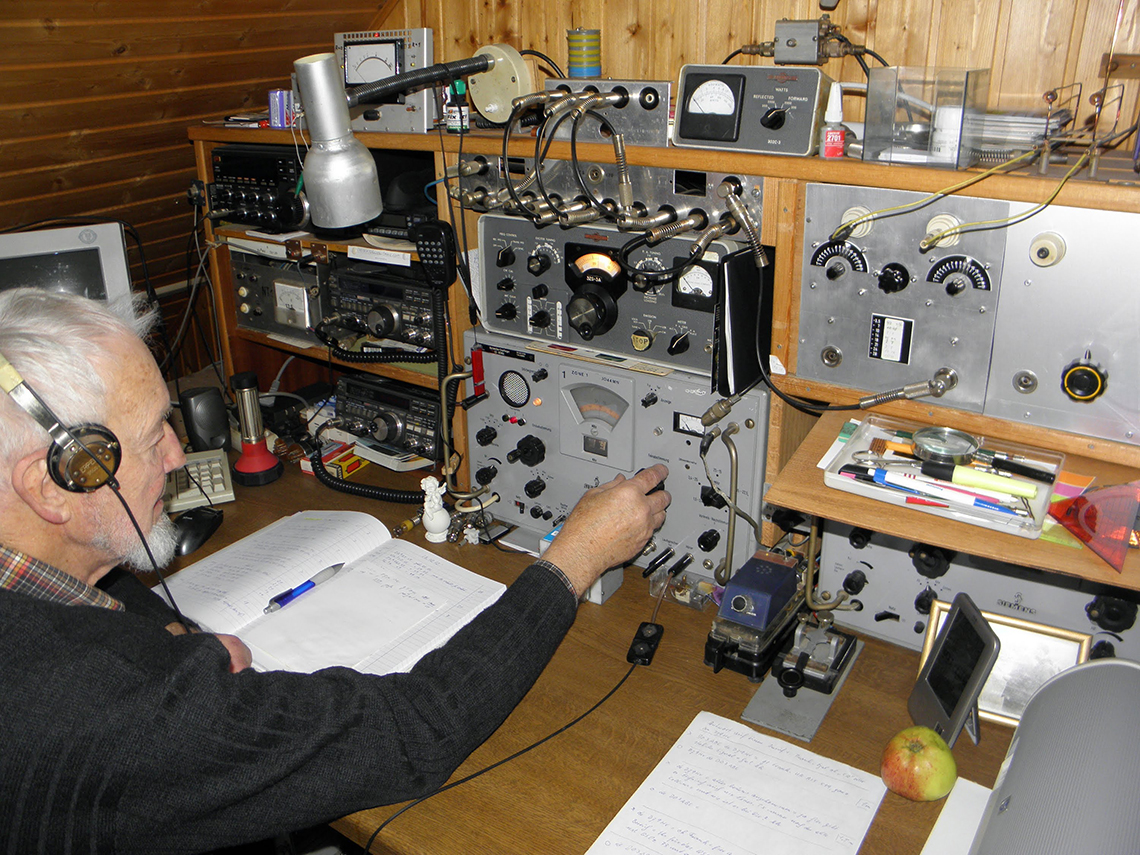
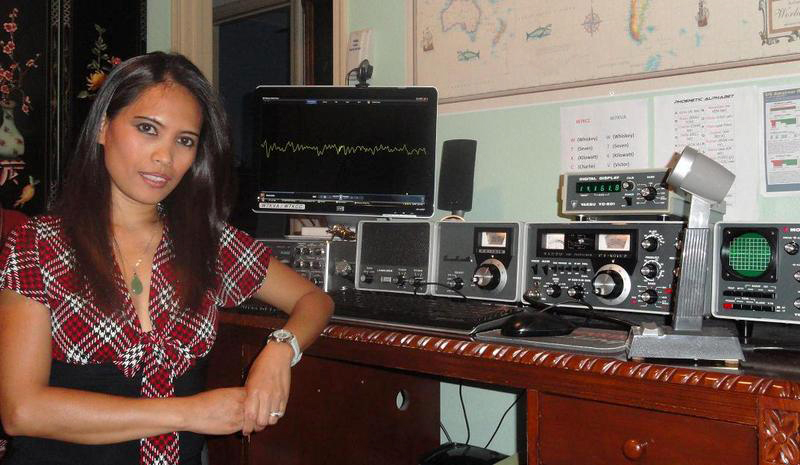
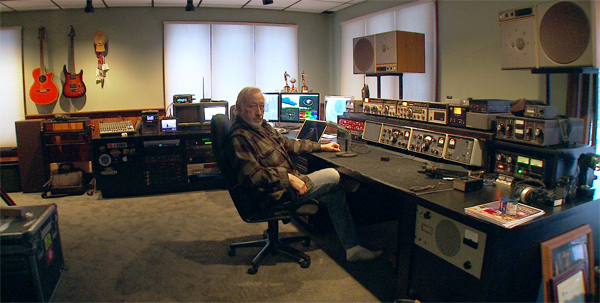
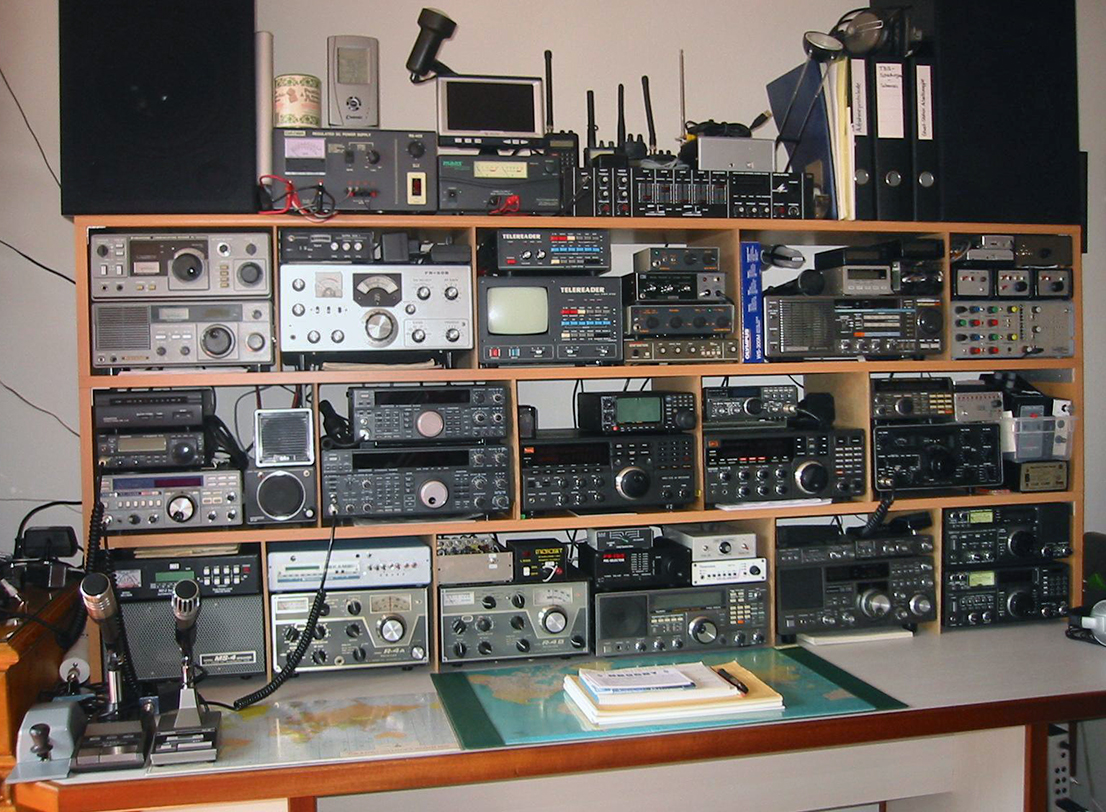
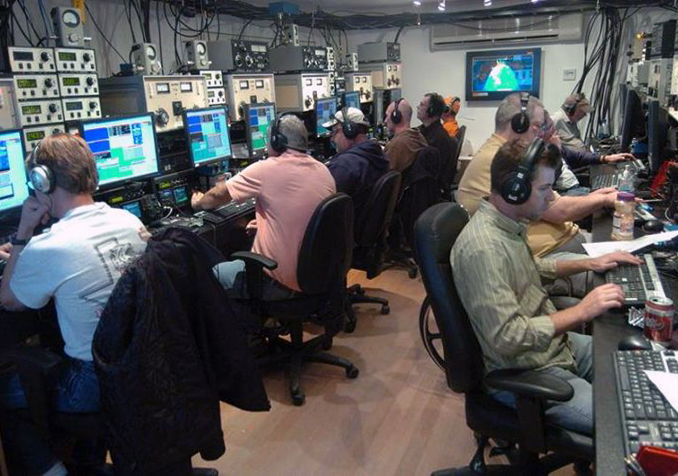
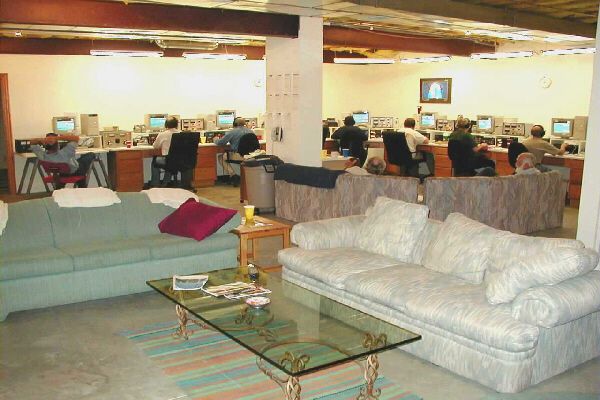
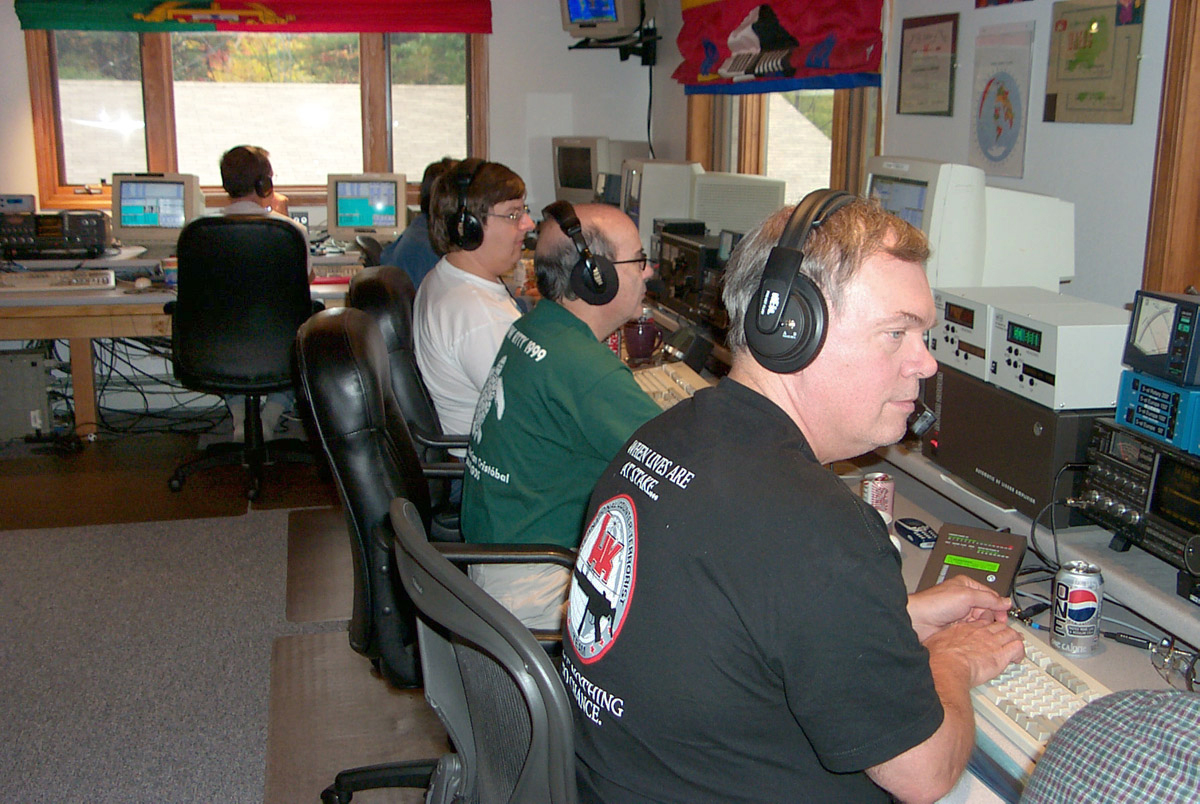
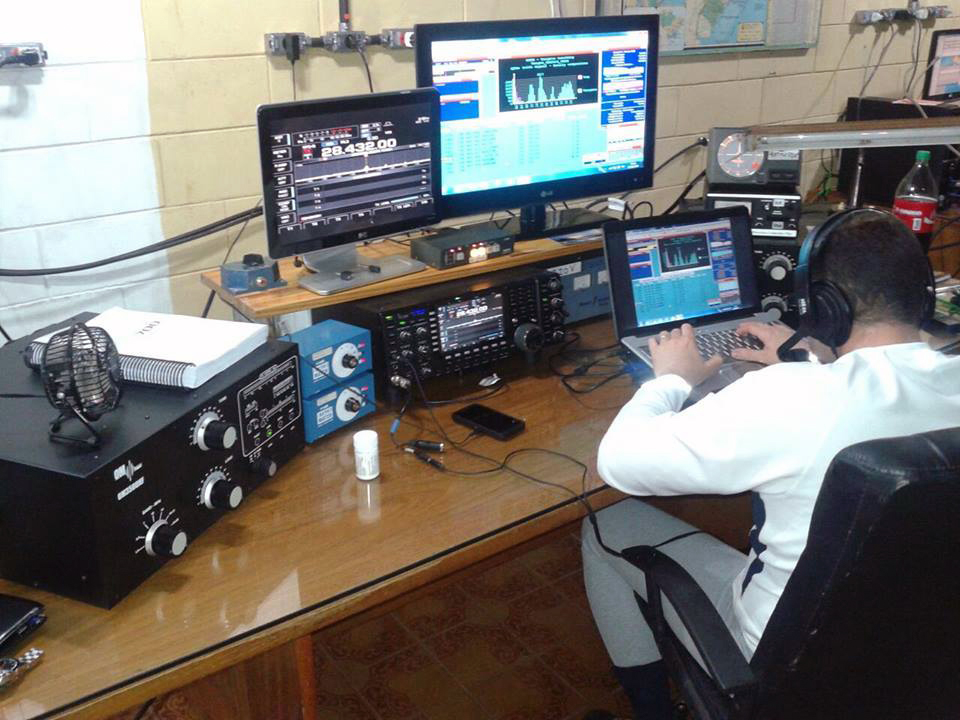
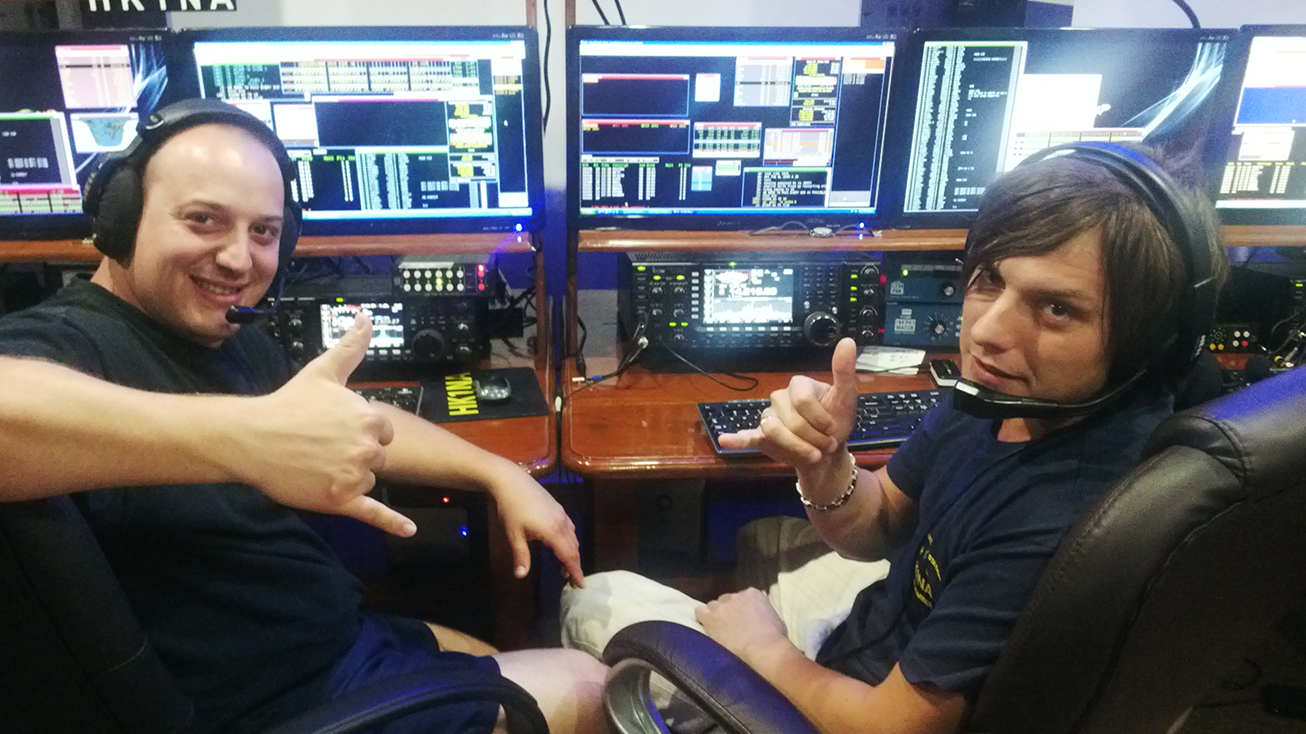
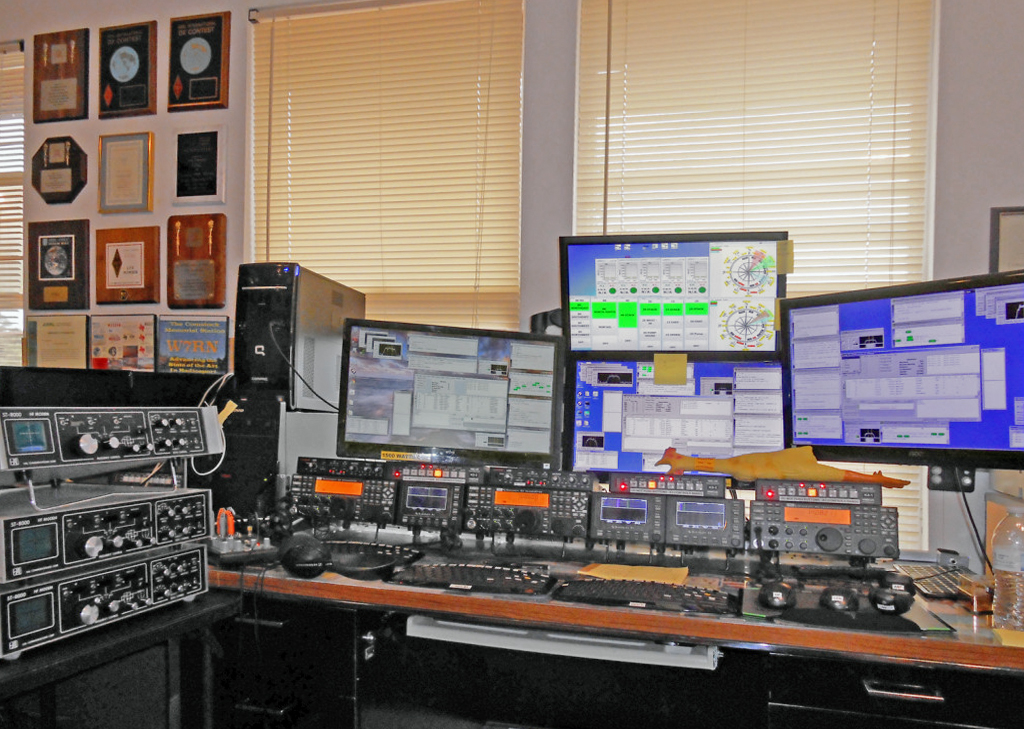
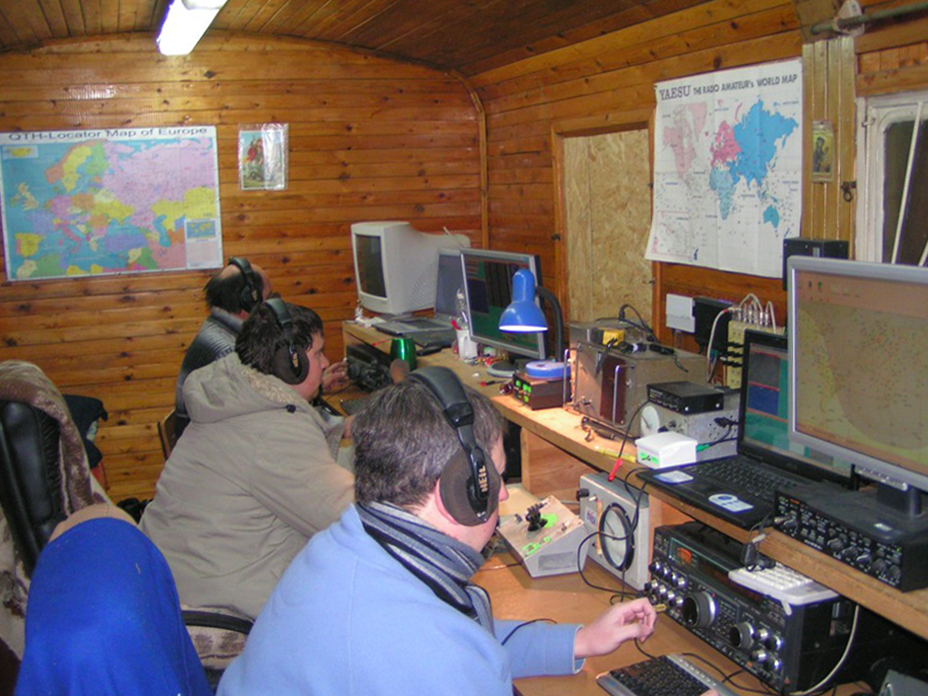
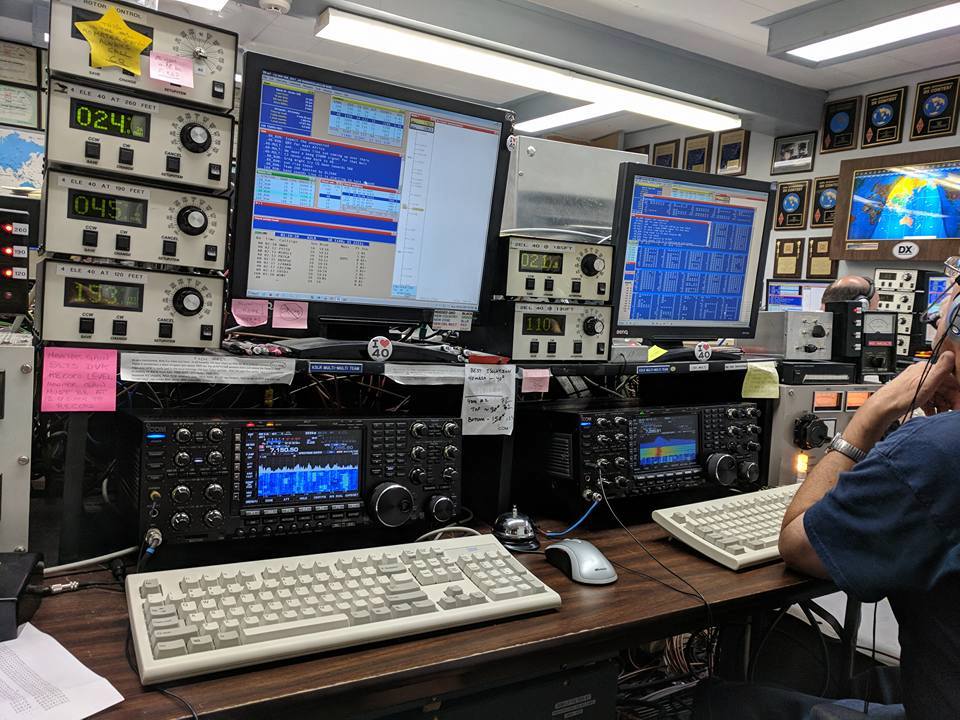
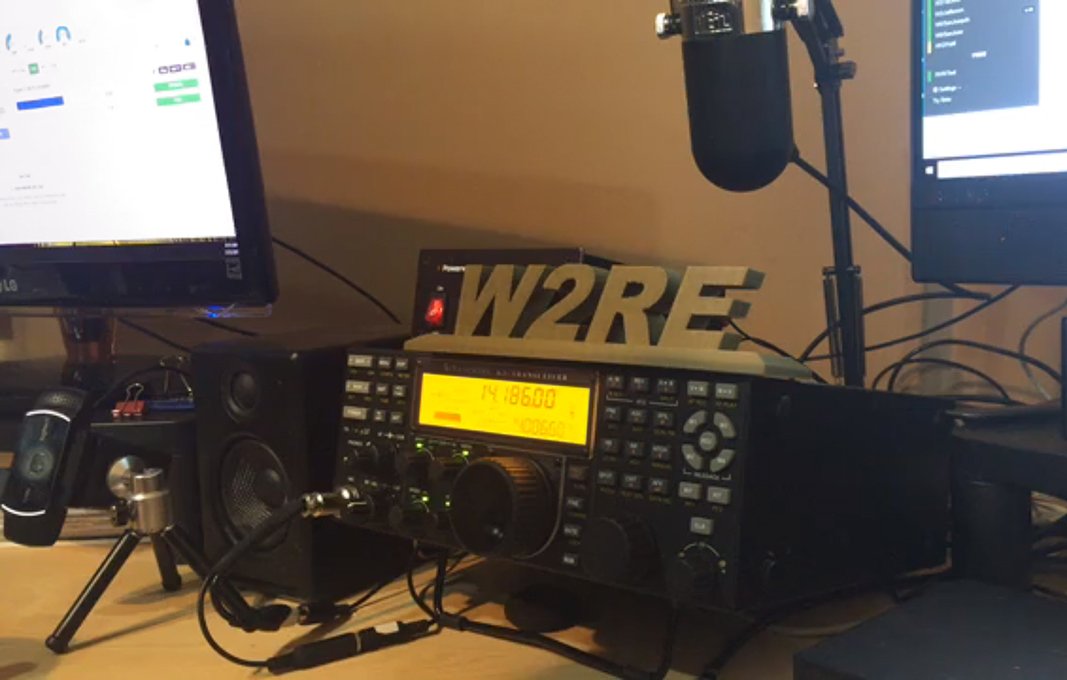
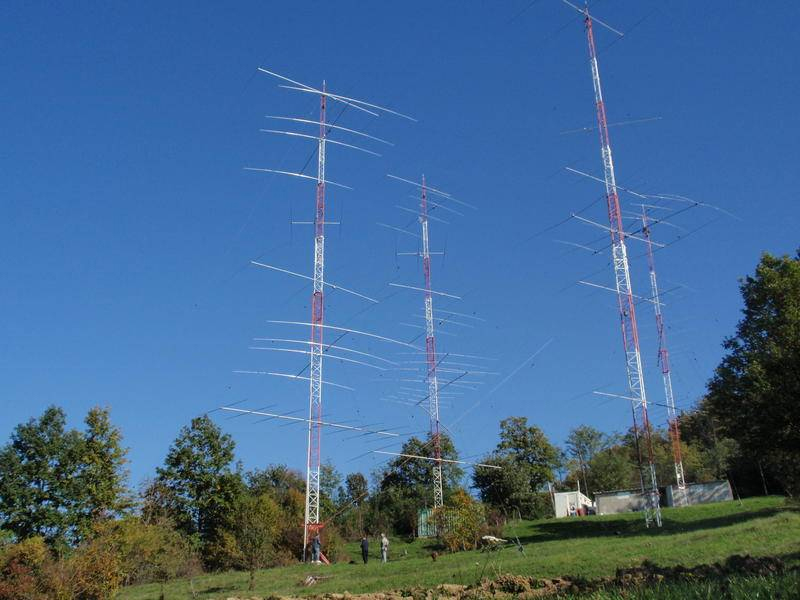
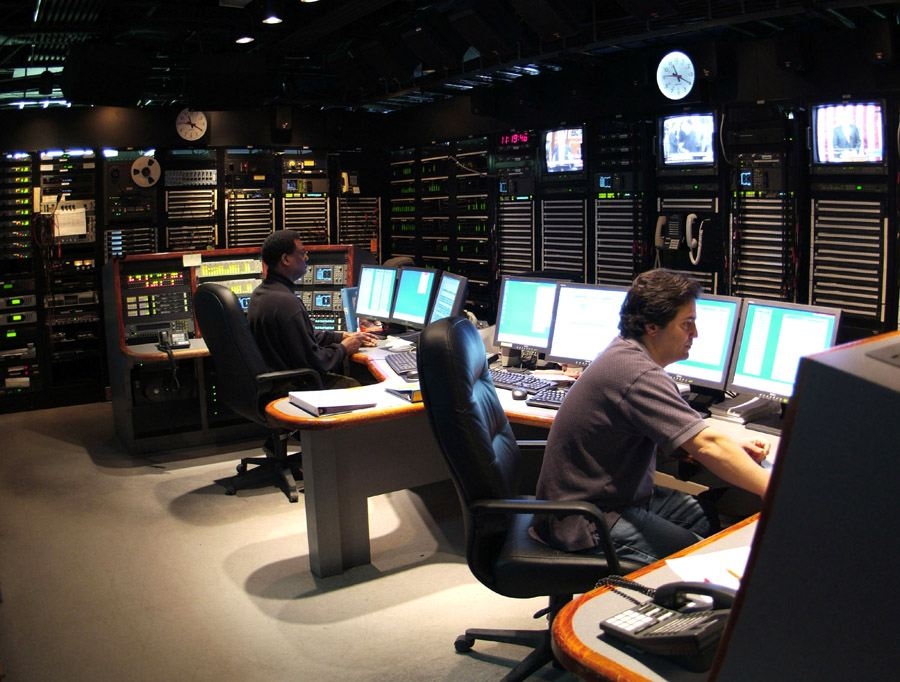
Ham shacks of dream When we speak with amateur radios about their hobby, we are all curious to know what is their working environment and interested in visiting their ham shack. For the novice or the casual amateur, including SWL, it can be hard to imagine how big can be sometimes a ham shack after a few years of practice. In the next series of pictures I have tried to show some of the most complete ham shacks starring the nicest arrangements from a pure aesthetic point of view. Most of these amateurs work on HF bands but some of them have extended their activities to the higher frequencies up to few dozen of GHz for the EME activity. Instead of showing the installations and antenna farms which budget can exceed 1 million dollars for some contest or DX teams (there is one small section at the end of this page), I have prefered to show you to what could look like an ordinary ham shack with time, some money, a few place left and good taste. Of course all this is subjective, depending on your passion for ham radio, the time available and many other factors. If some amateurs have gears small enough to be placed on a small table, some have gathered so many gears that they require a double desk or even a full room. At the computing age, let's begin with some "high-tech" shacks, some among those that look like a "space control center", at least by the number of gears and monitors used, their quality or the room arrangement. Although there is a place for all ham shacks, these ones could deserve the top position.
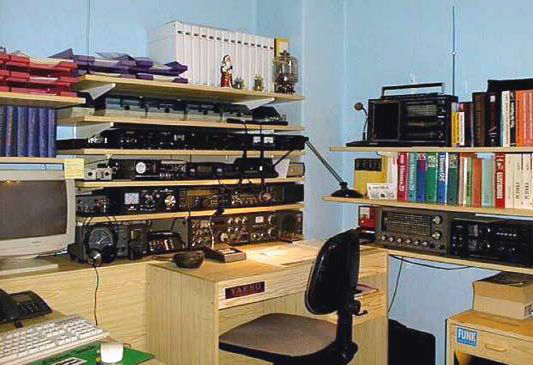
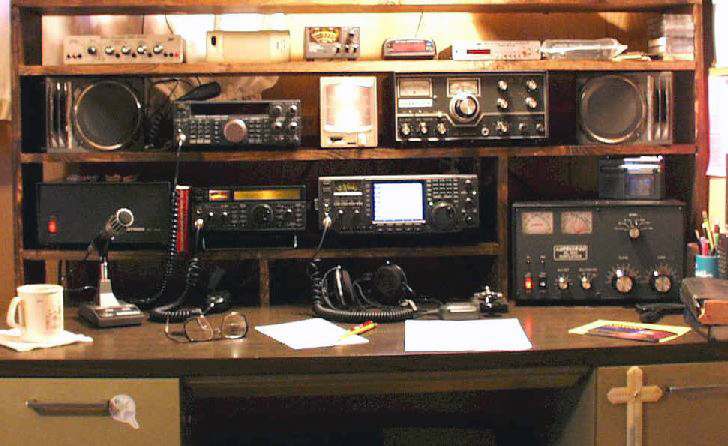
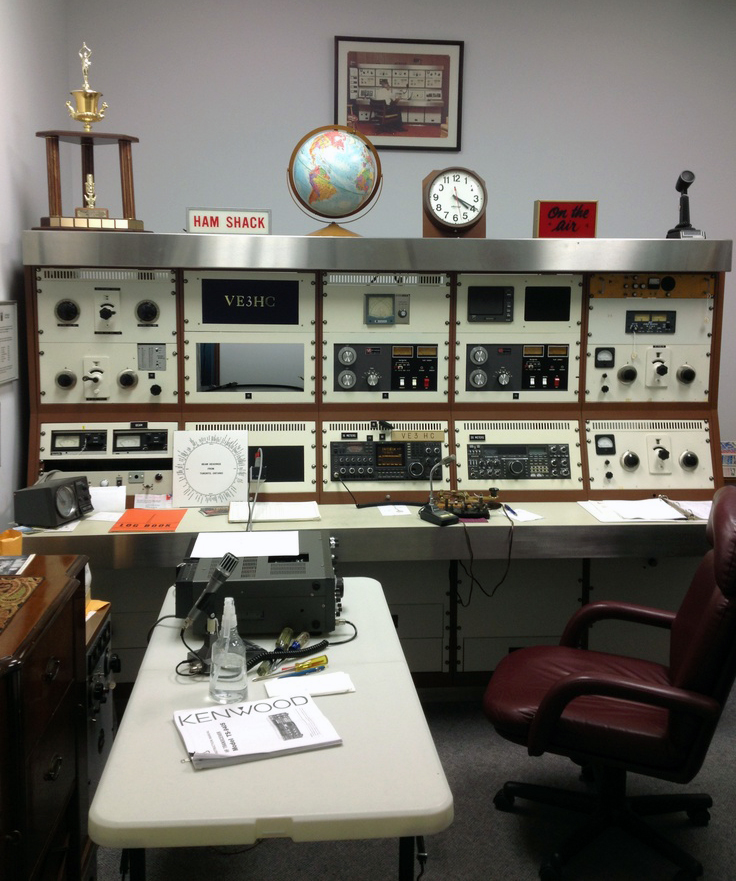
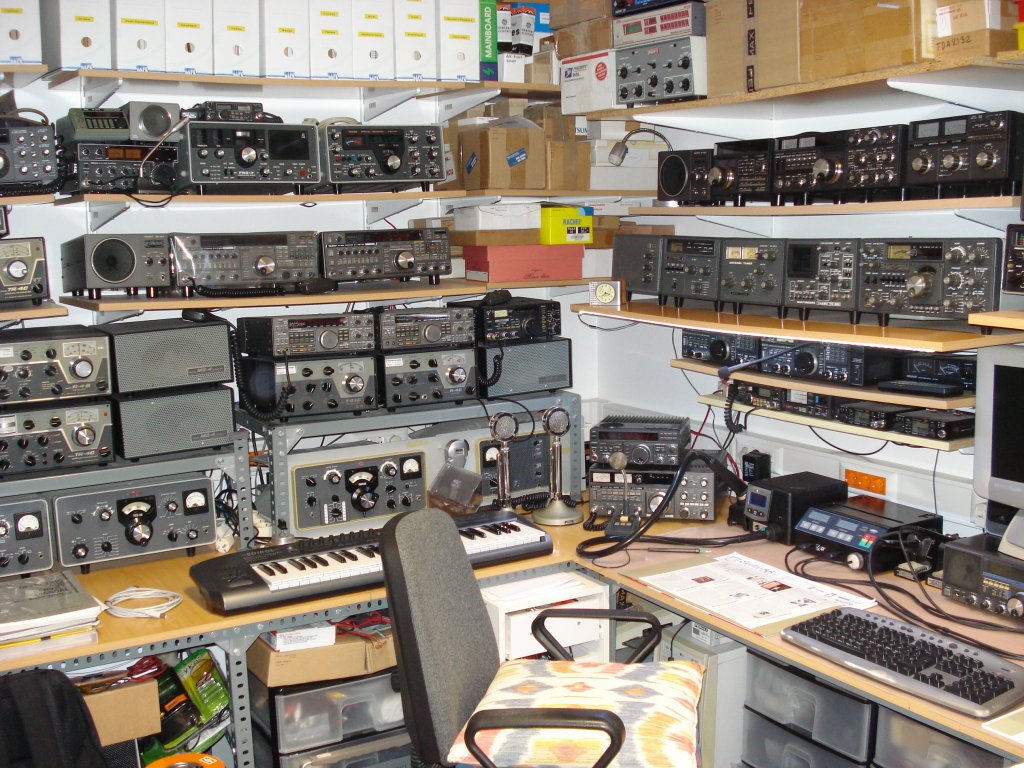
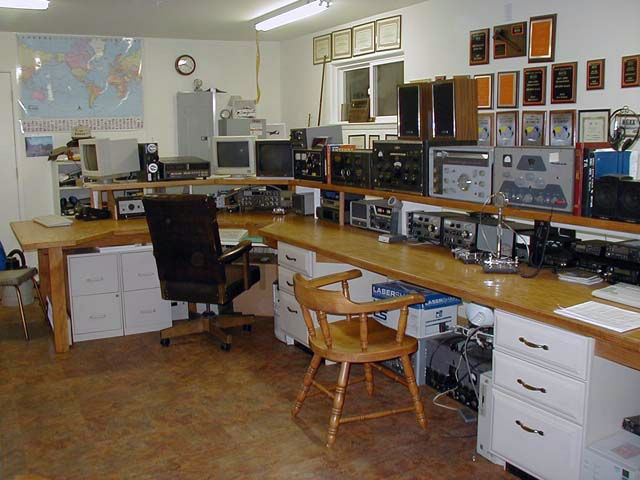
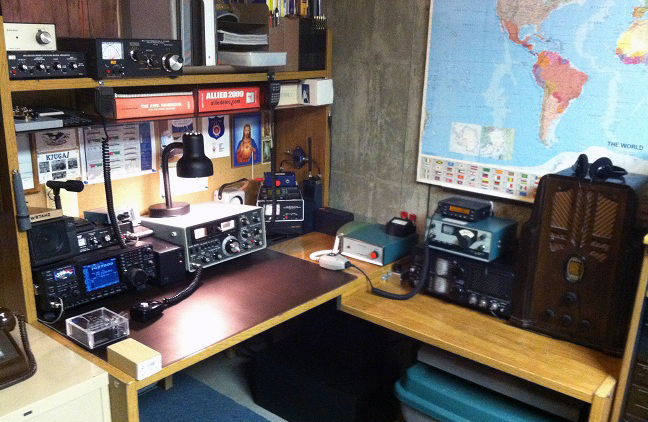
In another style, some lucky amateurs have the opportunity to get old communication consoles from a public service (military, police, etc) or have skills to build themselves their furnitures that become a key element of their ham shack. It is obvious that the first function of a ham shack is not to be "nice" but practical, efficient and as far as possible including performing rigs and peripherals, completed with all necessary documentation, in printed or electronic format. Not all ham shacks evolve to a complex installation looking to a high-tech communication center or conversely looking like a lumber room, but if the amateur is active, with years his shack will tend to accumulate accessories and new rigs as confirms pictures displayed below.
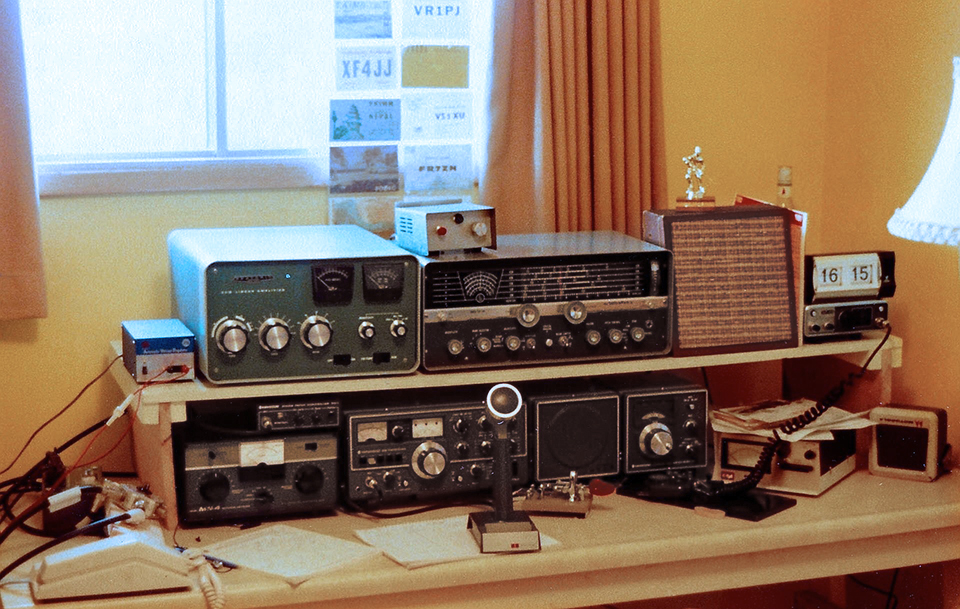
In the early times the amateur buys a transceiver, a desktop or portable model that he places on the first table left, in the living room, in the bedroom, in the attic or in the cellar. Others restrict their ham shack to their push-pull (car). When the amateur has the privilege to work at home and is authorized to erect an antenna then comes the vertical antenna, the dipole or the Yagi. Then comes the SWR-meter, probably an antenna tuner, and optionally a Morse-key. Depending on his interest for this activity he will soon complete this light installation with a computer, a linear amplifier, some more complete or more powerful interfaces to work on new bands, digimodes or by satellite to name a few. With time, his family or professional situation will change or his current working room will be sacrified for other needs, it will appear to be too small or will have to be shared with the other members of the family. At that moment the amateur will appreciate to work in a dedicated room, often isolated and fully reserved to the practice of his hobby. Of course this ham shack can be reduced to a simple desk on which is placed a portable transceiver or even to a simple shelf placed in the living room on which is "displayed" the latest high-end transceiver like others collect paintings. But such minimalistic installations are probably not numerous.
*
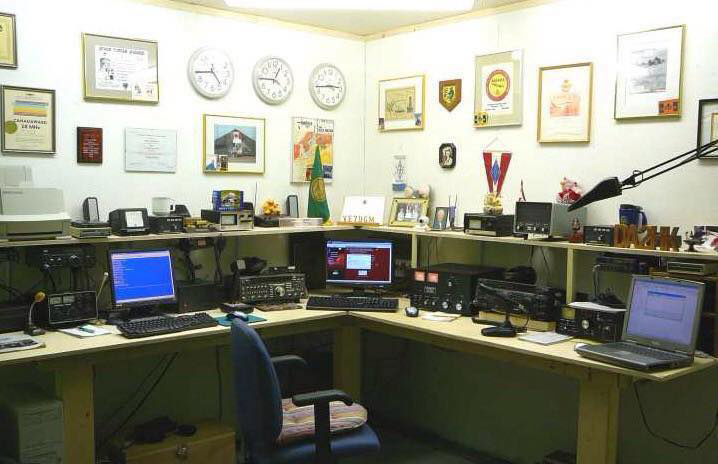
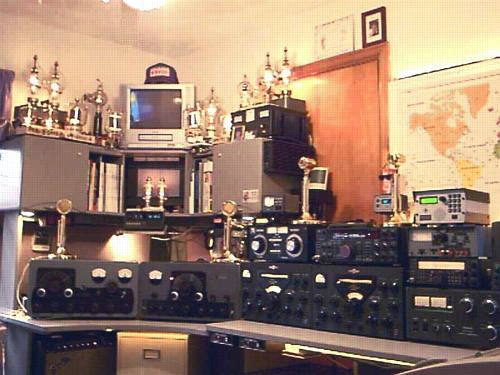
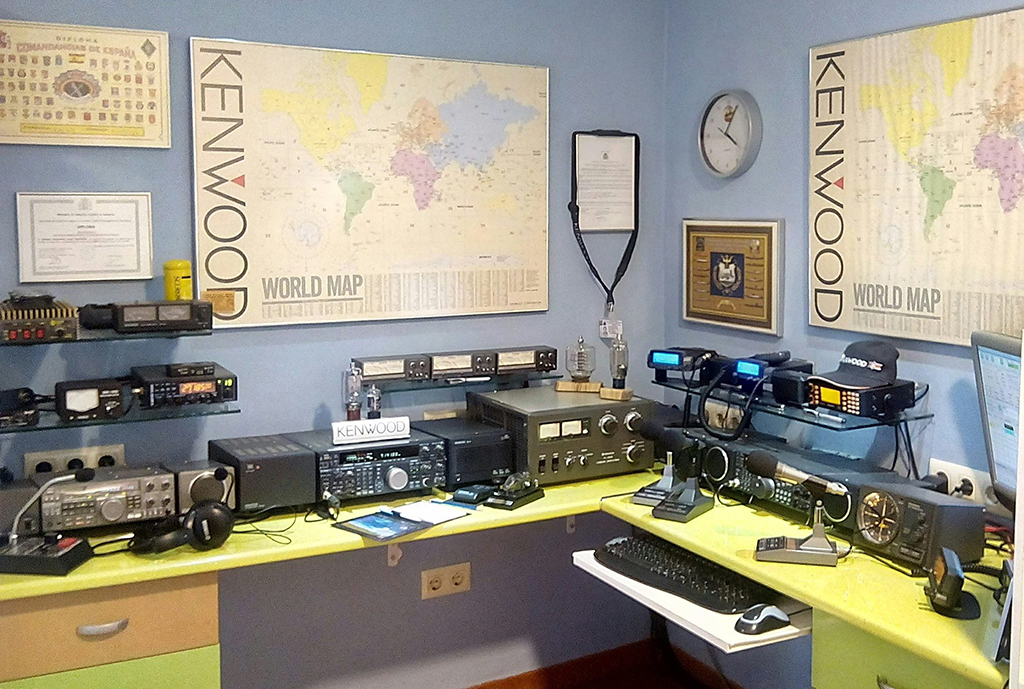
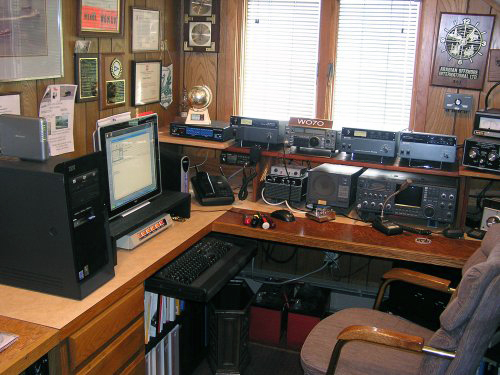
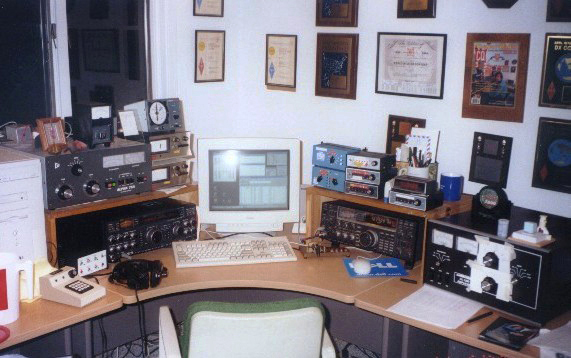
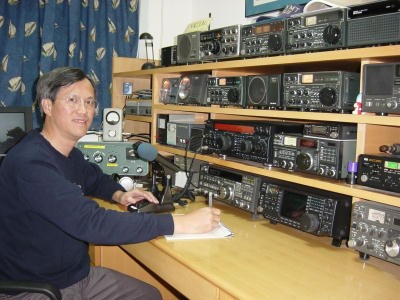
Most of the time, if the amateur is regularly active on bands, he will known this progressive extension of his gears because he will become addict to this activity and his curiosity will attract him to new experiences or to collect some gears. The fact to hear QSOs on bands mixing this special "donald duck" tone of the side band and the noise of the ionosphere can provide a feeling of pleasure and relaxing to some amateurs. But practiced hours long, the hand at the mic or to the key, you could be as tired as doing another intellectual activity. As any hobby, ham radio is funny when practiced with moderation. In this context, a comfortable, pleasant and convenient ham shack can contribute to relaxing conditions of work. With time, some amateurs will transform their shack in a true electronic laboratory placing in all place left additional transceivers, external filters, measurements and controls systems, computers, displays, as well as magazines and binders full of documentation. Others are interested in collectibles and will gather vintage radios, peripherals and place on the wall their most beautiful QSL, awards and cups. A few of them will transform their shack is a tidy space, installing their rigs on racks made of precious wood.
But we have immediately to specify that the nicest ham shack will never make an excellent ham operator. Like in all activities, skill and know-how acquire only with time, the field experience, reading and contacts with other amateurs. And don't forget either that before the high-end transceiver or the powerful linear amplifier, a shack is first of all driven by a good antenna system. At last, be an amateur radio means also progress, patience, modesty and friendship in the respect of the ham spirit.
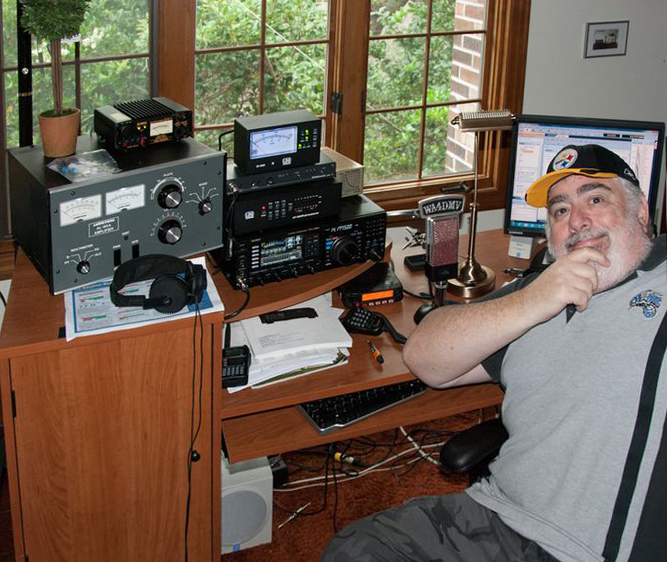
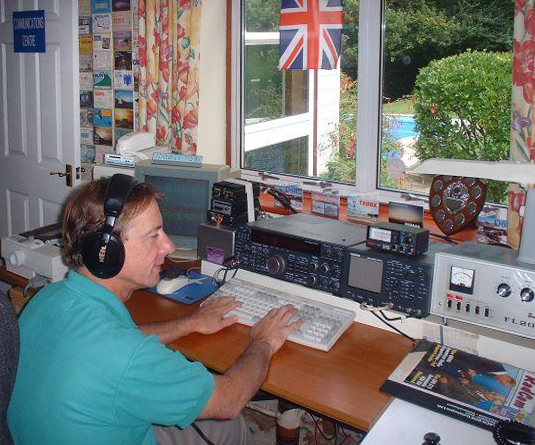
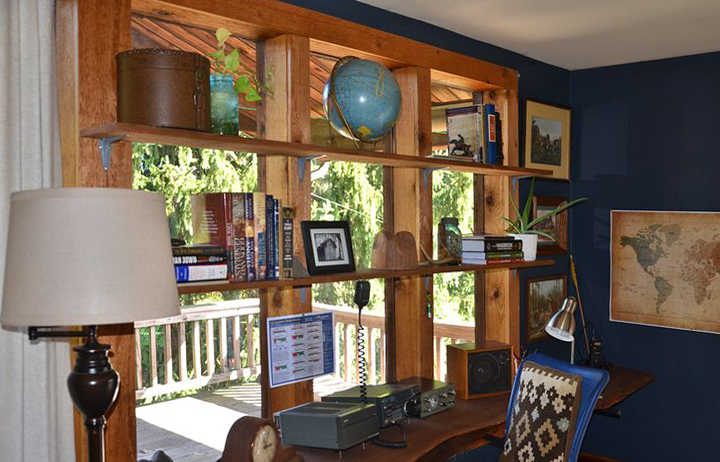
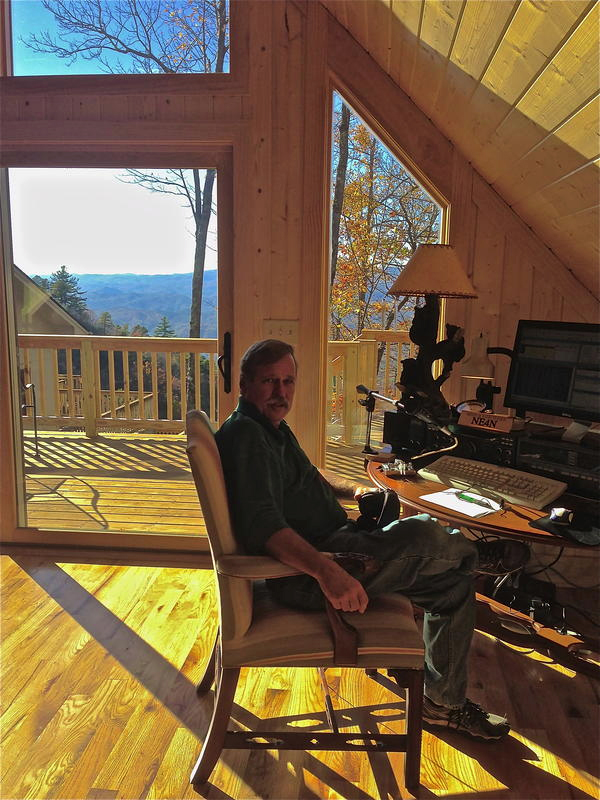
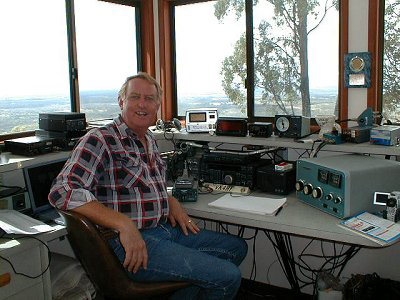
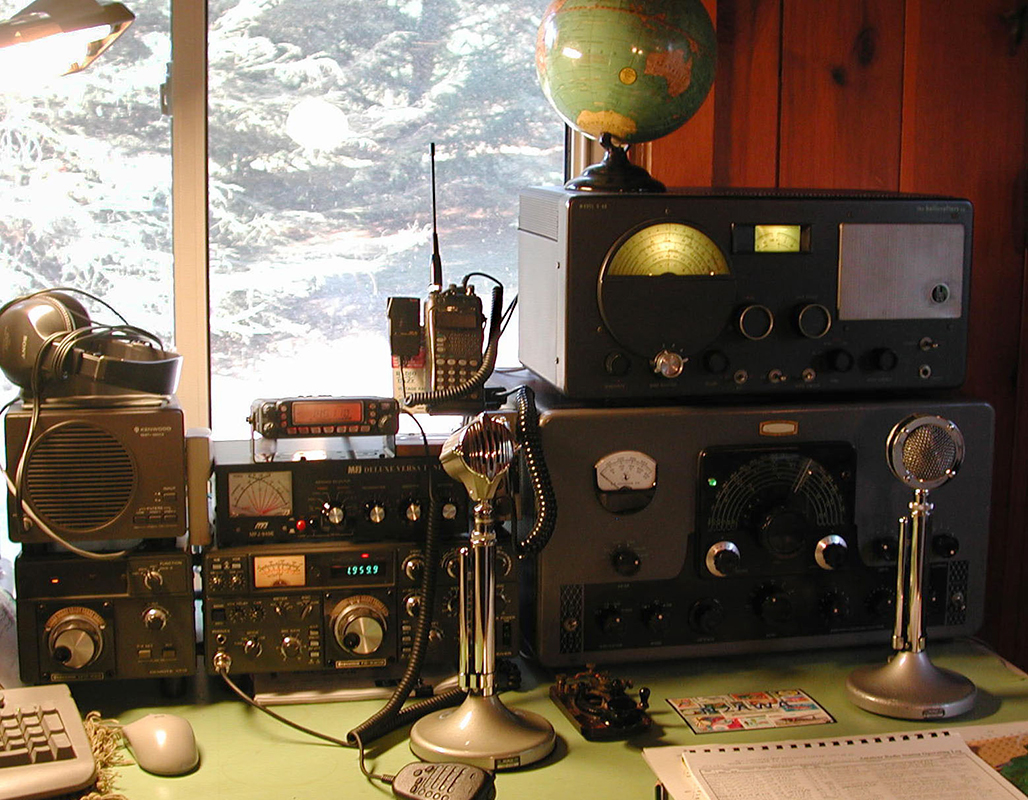
By necessity most amateurs set up their ham shack "where they can", in the first available room or corner of a room while others have the opportunity to select their room. Among them, some prefer to work near a window, close to a terrace or in front of their garden. It is true that working in such conditions and specially at daytime with the natural light entering into the ham shack, the fact of having a view to the outside, sometimes on the backyard and the nature, is pleasant all year round. So here are some ham shacks set up that way. Up to you to select your style.
*
*
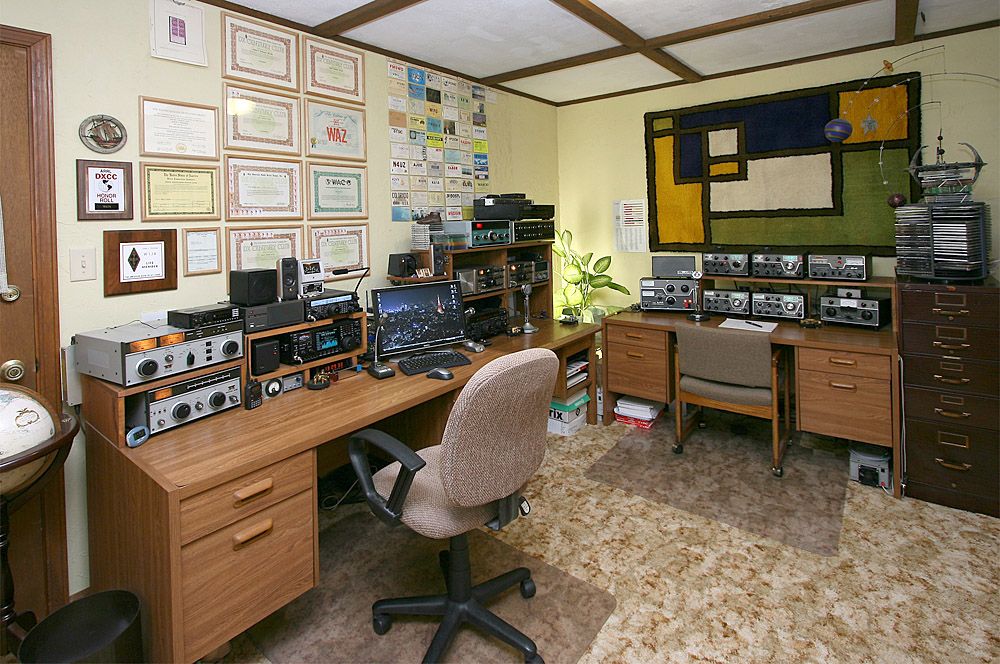
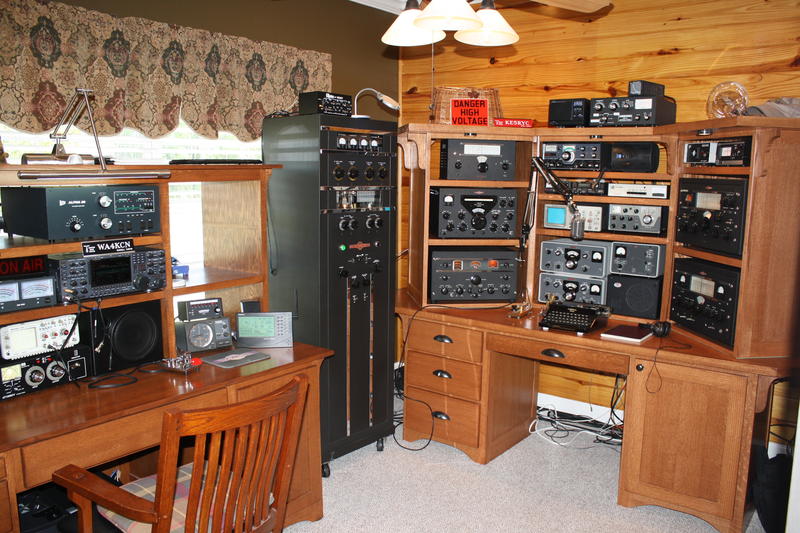
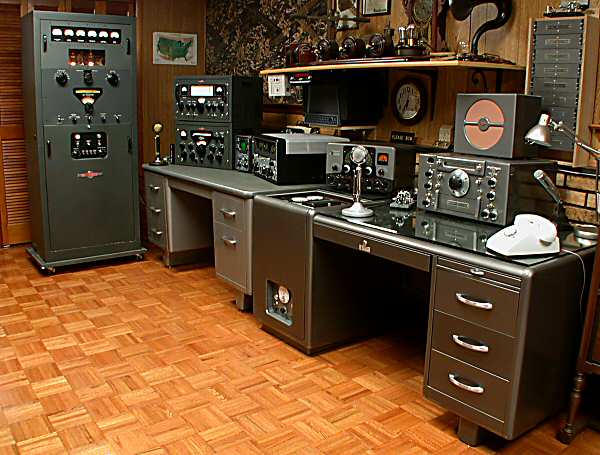
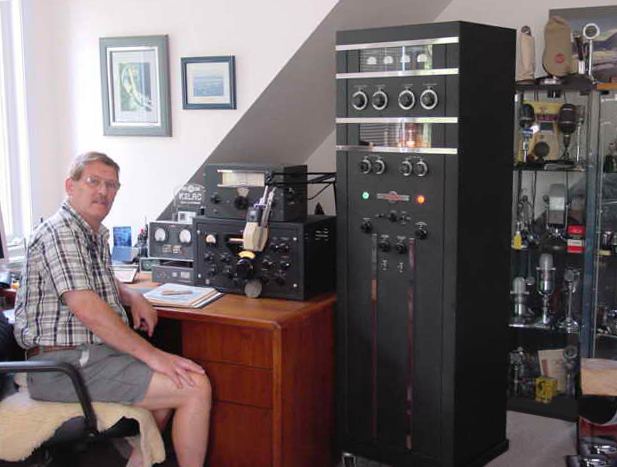
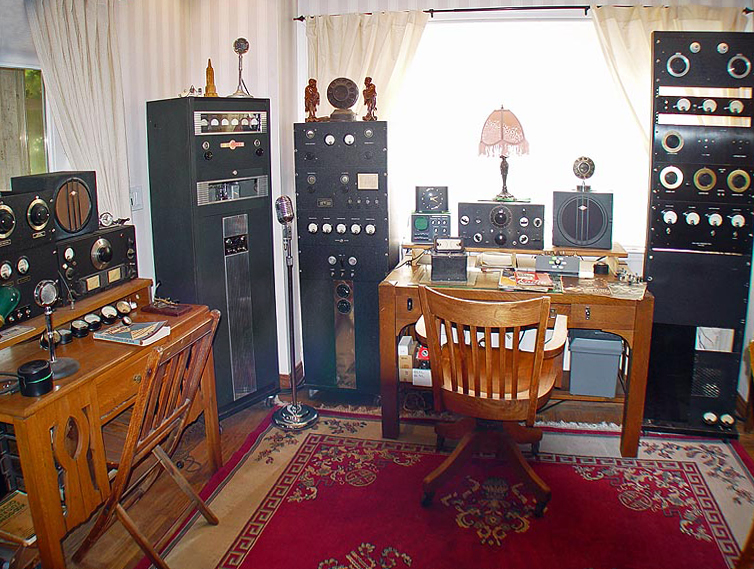
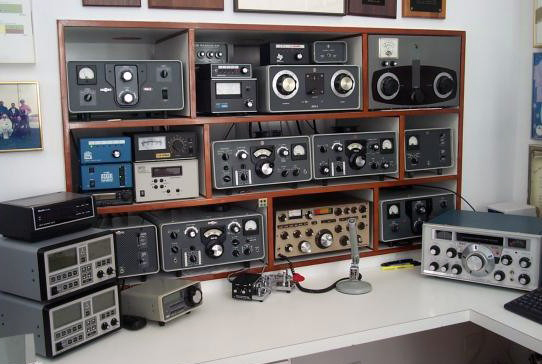
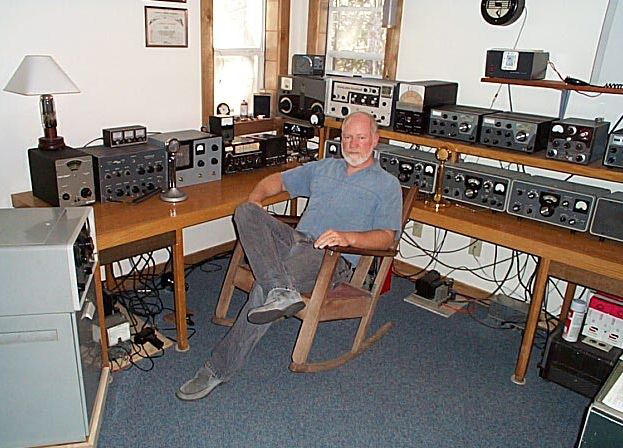
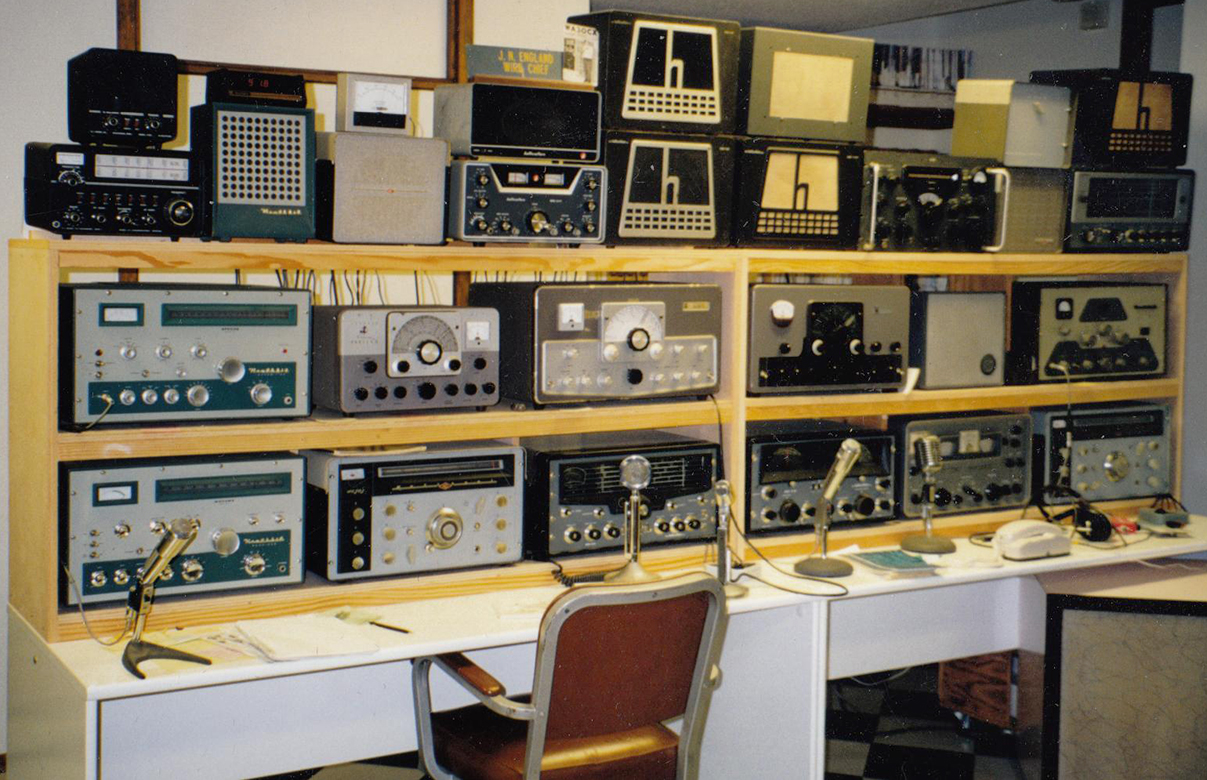
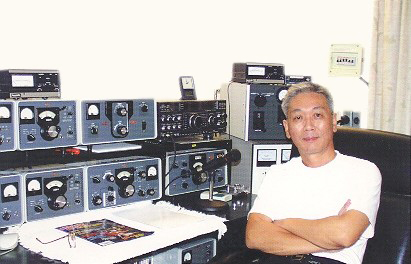
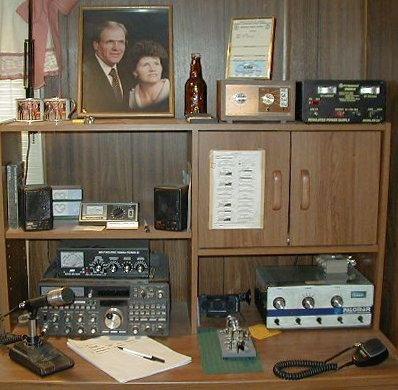
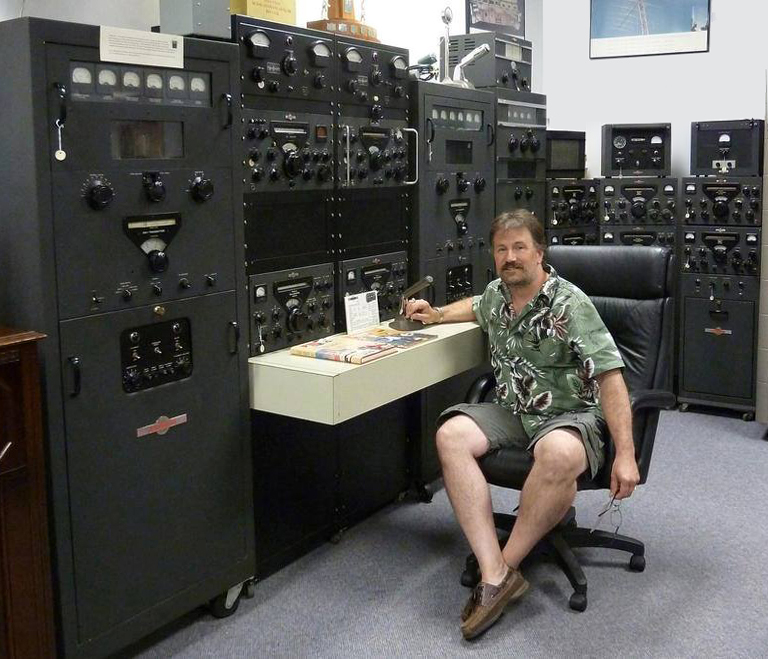
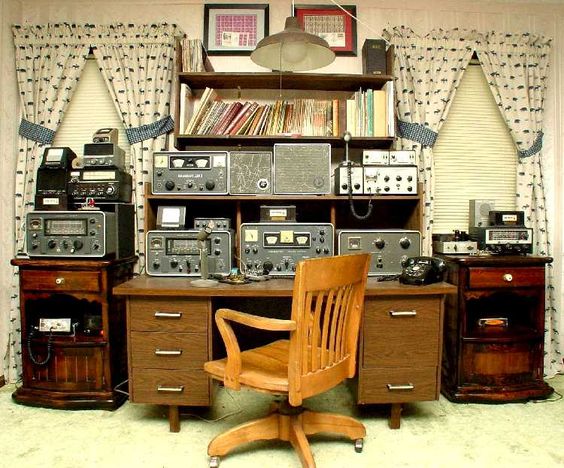
For amateurs nostalogic for the past, here are some vintage ham shacks starring some Collins, Drake, Heathkit, Kenwood, Siemens and Yaesu :
*
At last, because we have to stop somewhere this review, here are some contest ham shacks :
I dedicate this page to all amateurs proud of their shack. For more information
|